What’s Included in a Mortgage Payment? A New-Home Budget Guide
Homebuyer Tips Sep 17, 2026 · 4 min read
Alta Homes Team
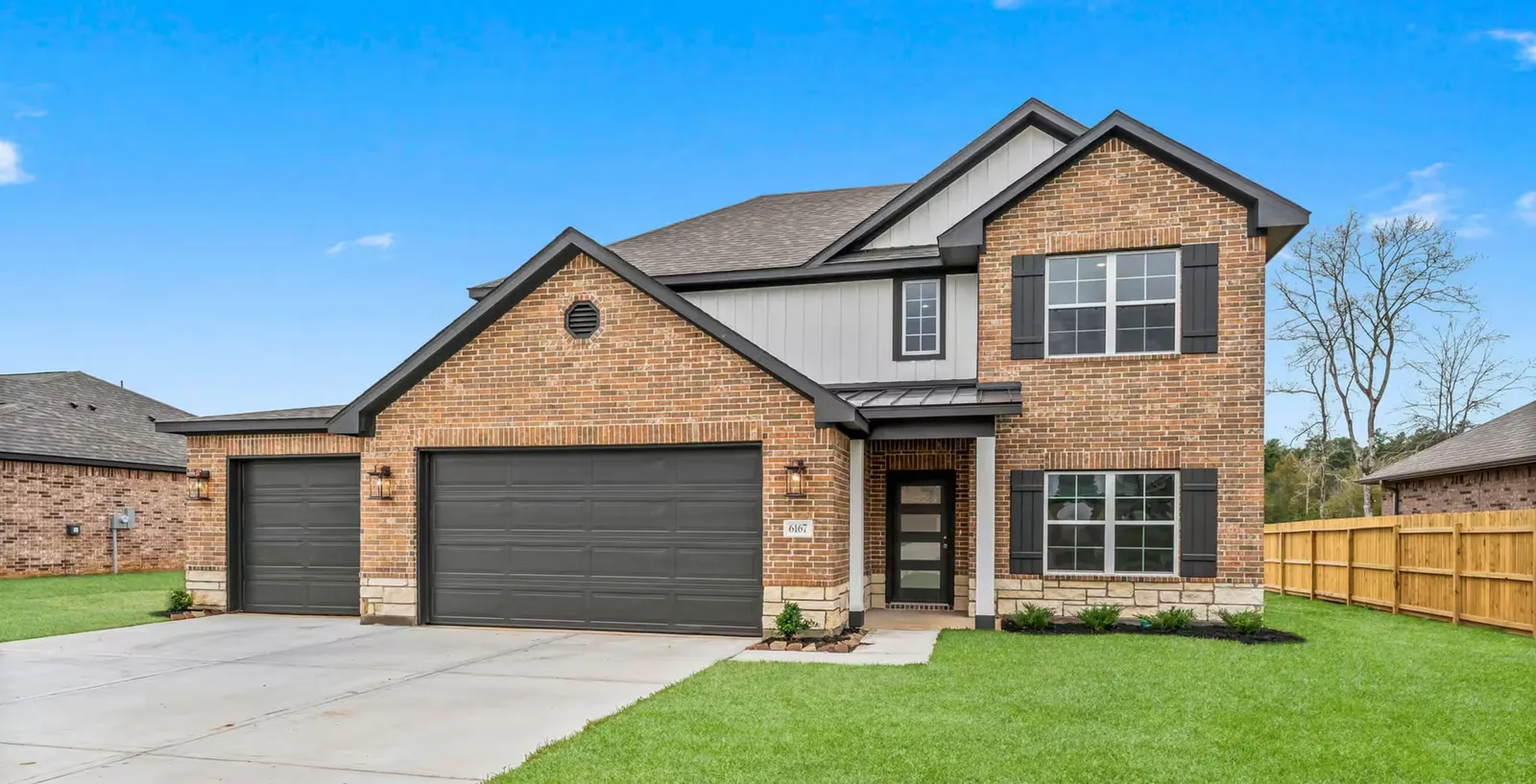
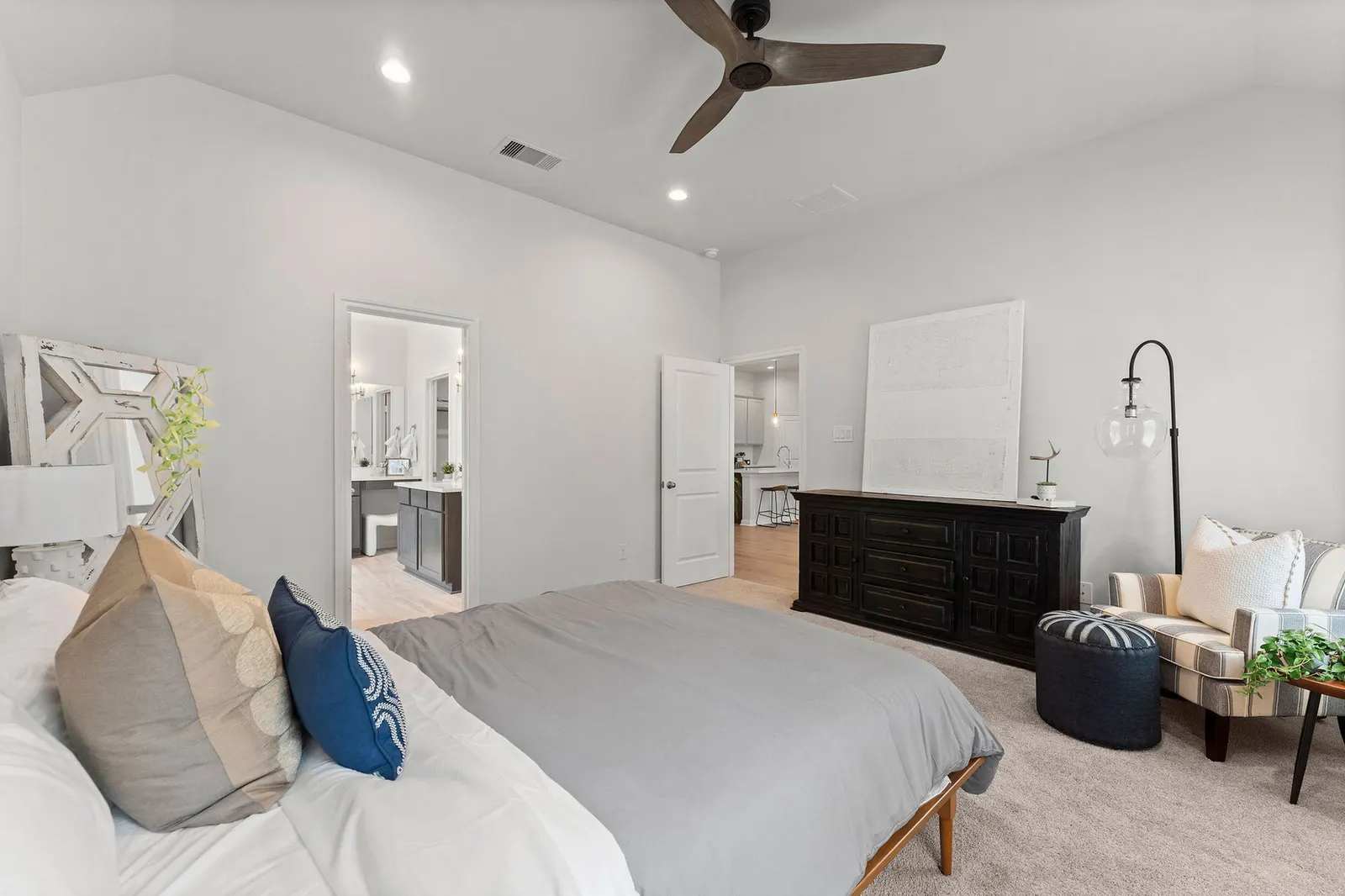
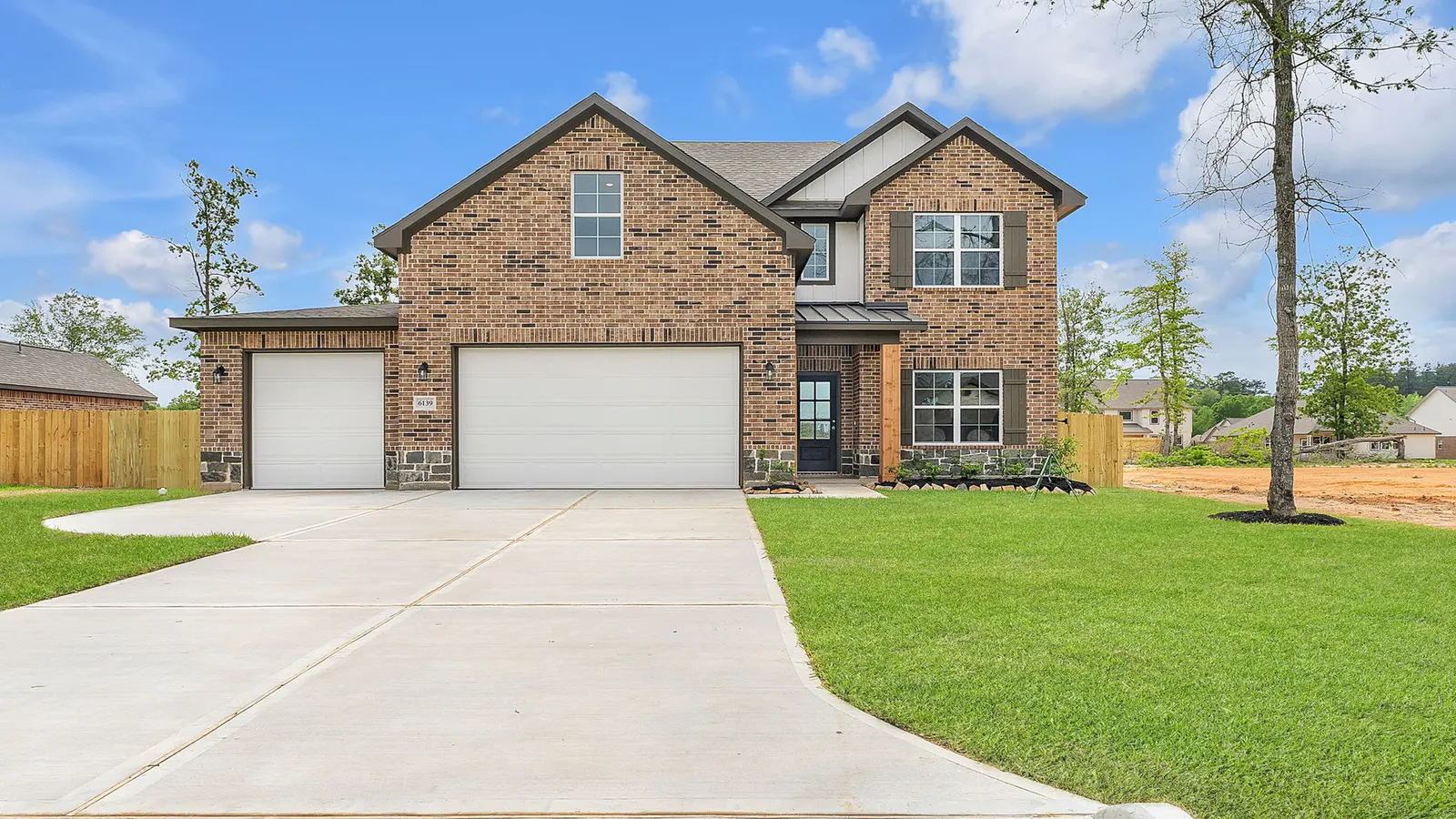
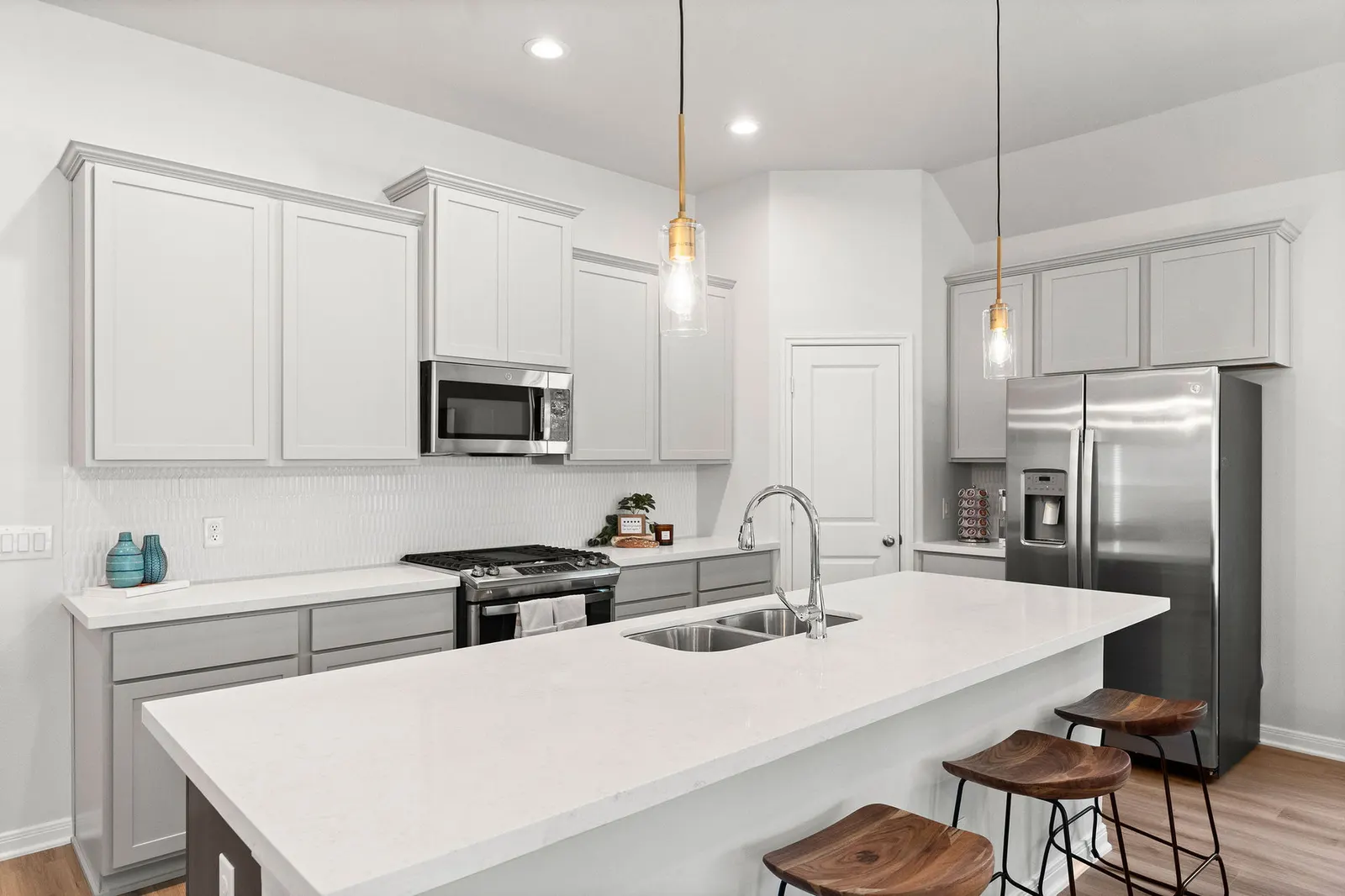
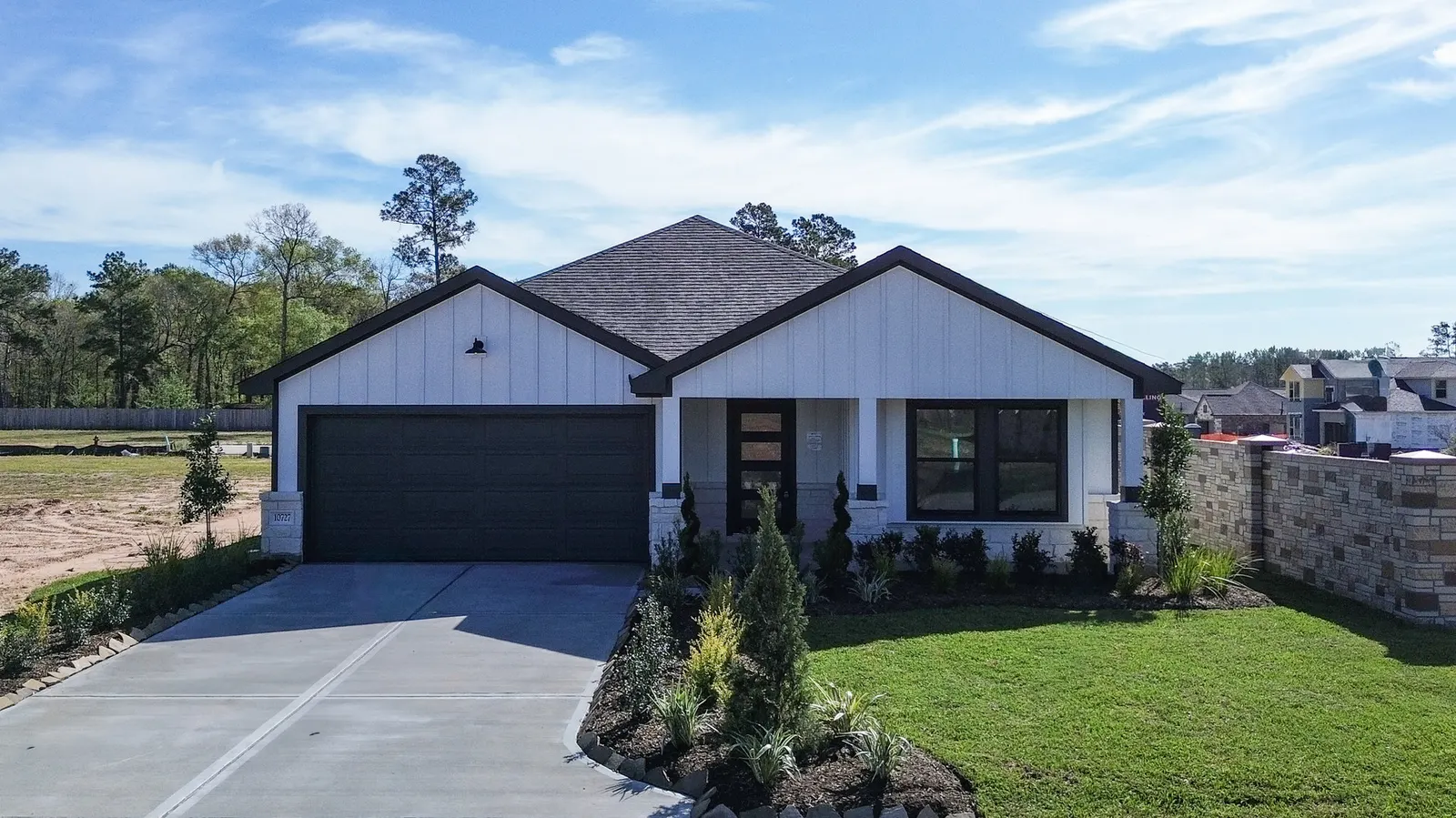
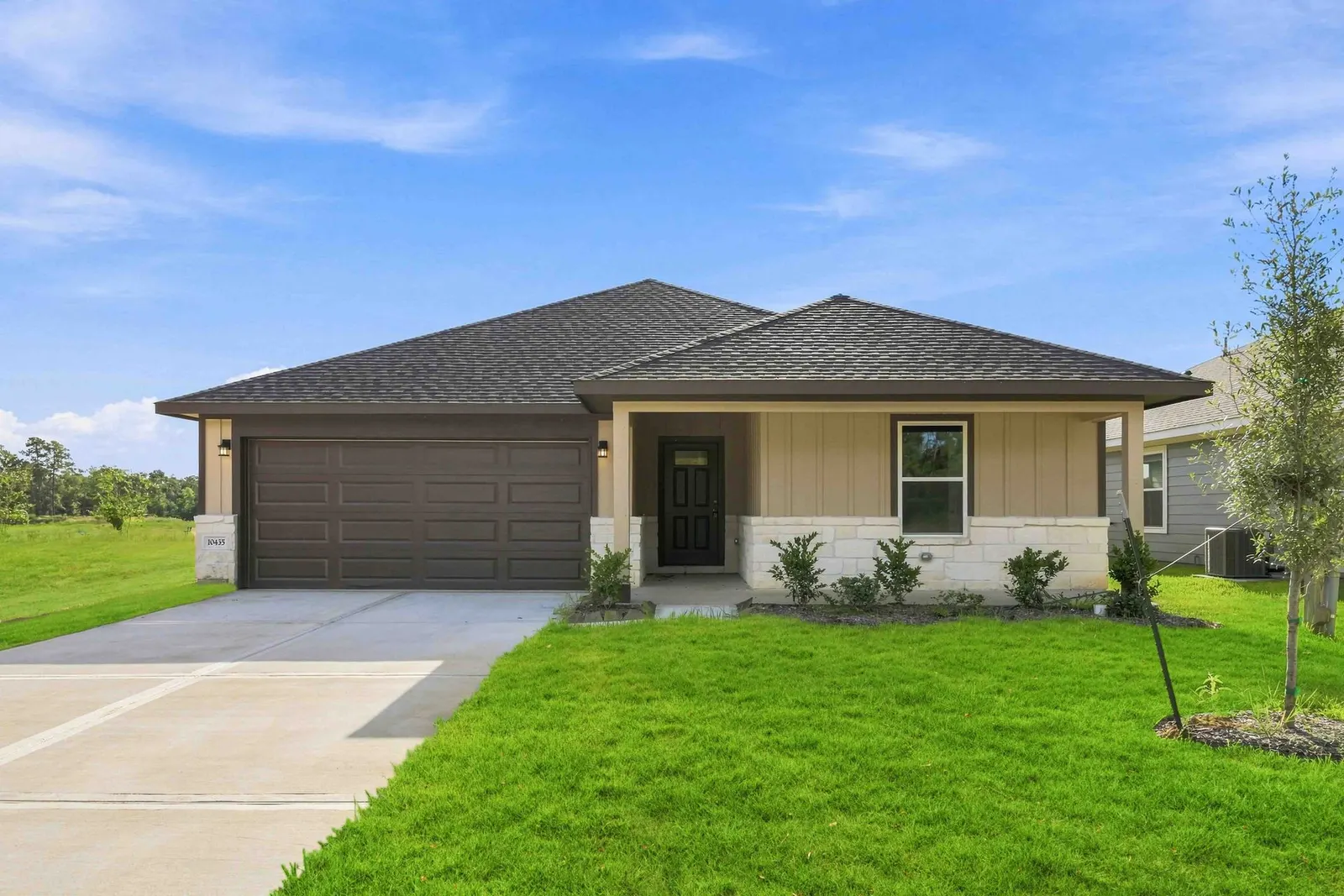
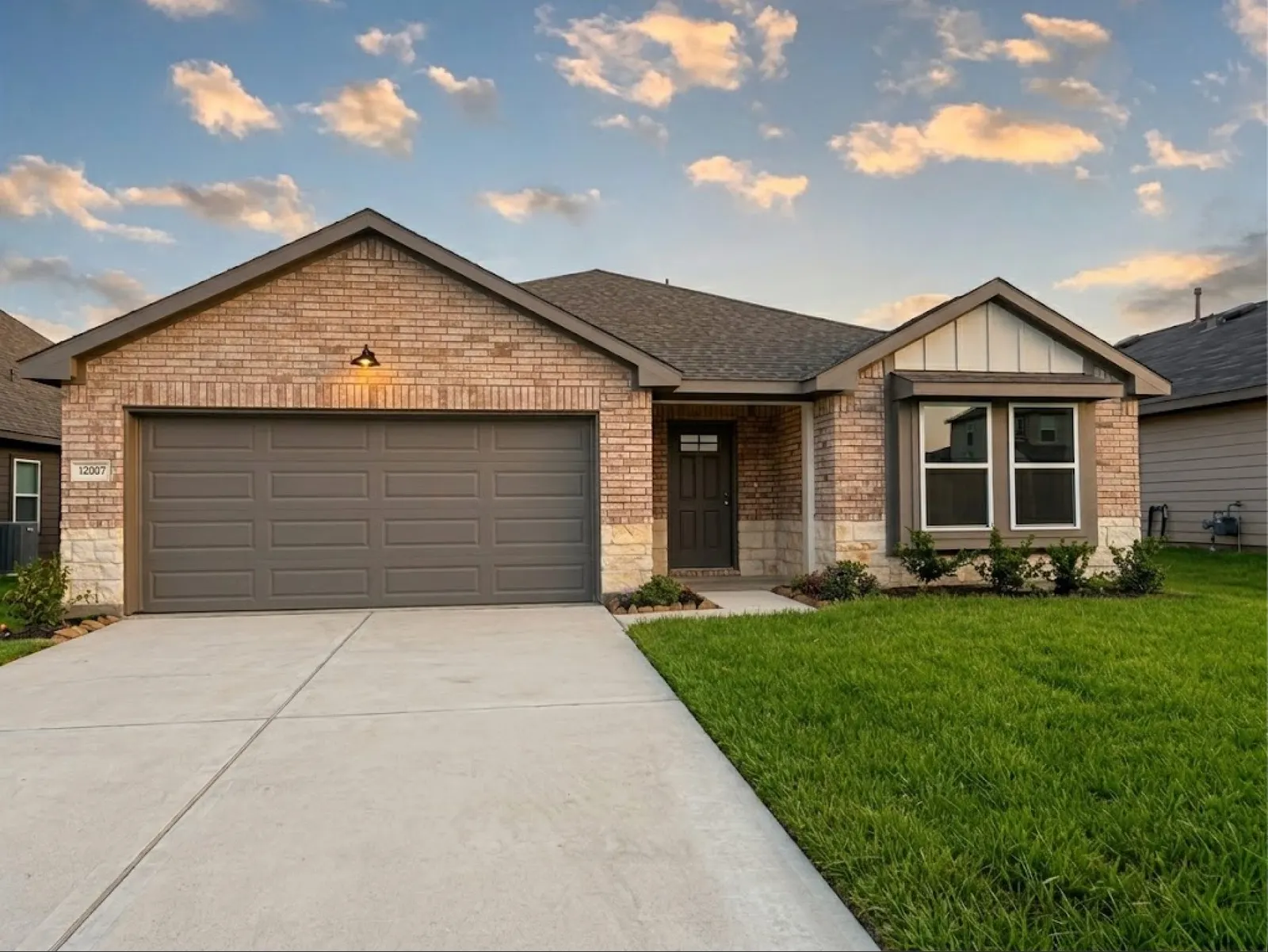
Photo from Alta’s existing home gallery. Features and finishes vary by home and community; confirm the details of the home you are considering.
Your mortgage payment generally includes principal and interest, plus mortgage insurance and escrow for taxes and homeowners insurance when applicable. Your complete housing budget also includes expenses paid separately, such as utilities, association dues, and maintenance savings. The Consumer Financial Protection Bureau explains the payment components.
That distinction matters when comparing new homes in Conroe, Willis, or Montgomery. A borrowing-cost calculation, a listing estimate, and the amount your household spends on housing can all be different without any of them being calculated incorrectly.
What Alta’s two payment tools show
The calculator on Alta’s financing page estimates principal and interest for a 30-year loan using the price, down payment, and interest rate entered. It excludes taxes, insurance, mortgage insurance, association fees, and other ownership costs.
Alta’s available-home estimates include more components. Open a home from Available Homes and find its payment breakdown. The breakdown identifies the loan payment, estimated property taxes, homeowners insurance, and applicable HOA dues. The listing disclaimer explains its assumptions and exclusions, including private mortgage insurance and flood insurance.
Use the calculator to explore how borrowing assumptions affect the loan payment. Use the listing breakdown to see the property’s estimated components. For a purchase decision, replace those assumptions with a lender quote and actual property information for your situation. Alta is the homebuilder; a lender determines your loan terms.
Build the total without counting an expense twice
Here is a hypothetical budget, using invented amounts to demonstrate the arithmetic. These figures are not a loan quote, an Alta listing, or estimated expenses for a particular home.
Swipe or scroll to see all columns.
| Monthly item | Example amount | Where it belongs |
|---|---|---|
| Principal and interest | $1,250 | Mortgage payment |
| Property taxes | $350 | Escrow in this example |
| Homeowners insurance | $150 | Escrow in this example |
| Mortgage insurance | $75 | Mortgage payment in this example |
| Mortgage payment subtotal | $1,825 | First four rows combined |
| HOA dues | $50 | Paid separately in this example |
| Electricity, water, and other utilities | $250 | Household budget |
| Internet | $70 | Household budget |
| Maintenance savings | $100 | Household budget |
| Complete monthly planning amount | $2,295 | Mortgage payment plus separate items |
The $1,825 mortgage payment already contains the example’s taxes and homeowners insurance. Adding those two amounts again would double-count them. If flood insurance or another expense applies, add its monthly equivalent wherever it is actually paid.
For a bill paid annually, divide the total by twelve for budgeting and keep its actual due date on your calendar. Saving $50 each month toward a $600 annual bill makes the obligation easier to see; it does not convert the bill to monthly billing.
Why a fixed-rate loan can have a changing payment
A fixed interest rate does not freeze property taxes or insurance premiums. When those expenses change, the escrow collection and total payment can change. The CFPB’s escrow guide explains how the account collects money toward property bills.
Suppose the hypothetical insurance premium above rises by $360 a year. That is another $30 per month in underlying expense. A servicer’s actual payment adjustment can differ because its escrow calculation also considers the account balance and any shortage.
Build some flexibility into the budget instead of committing every remaining dollar to a new recurring expense. The appropriate cushion depends on your savings and other obligations.
Use completed-home information
A new-construction tax estimate should account for the home as completed. A historical record for vacant land or a partly built house can be an unsuitable basis for planning ongoing ownership costs.
For your shortlisted property, keep the lender quote, insurance quote, tax estimate, and applicable association information together. Record which items are included in escrow and which you pay directly. This creates a useful explanation for the total, rather than a payment figure detached from its assumptions.
Keep down payment, closing funds, and moving costs in a separate upfront budget. Alta’s homebuying budget guide covers that larger picture. Once the monthly and upfront numbers work together, compare the homes that fit both your space needs and your finances.