Montgomery County Housing Market Update 2026: Why Growth Continues to Drive New Construction
- 2 days ago
- 7 min read

Why does Montgomery County continue to outperform much of the country, even in a higher interest rate environment?
After years of evaluating land, communities, and housing demand throughout Montgomery County, I've found that the answer has less to do with housing and more to do with jobs, infrastructure, schools, transportation, and economic opportunity.
Many people assume new communities create growth.
In reality, housing is often the response, not the catalyst.
Economic opportunities attract people. Population growth creates housing demand. Housing expands to accommodate that demand. Over time, that growth creates an ecosystem that becomes increasingly self-sustaining.
Understanding that sequence helps explain why Montgomery County continues attracting both residents and investment.
Employment Growth Continues to Drive Montgomery County Housing Demand
Over the past four decades, Texas has experienced one of the most remarkable growth stories in America.
Texas has consistently ranked among the national leaders in domestic migration, and the Houston region remains one of the primary beneficiaries of that population growth, with Montgomery County capturing a meaningful share of new residents seeking employment opportunities and a higher quality of life.
Since 1980, the state's population has grown from approximately 14 million residents to more than 31 million today. Businesses, workers, and investment capital have continued flowing into Texas because of its business-friendly environment, diverse economy, favorable tax structure, and ability to support long-term growth.
Montgomery County has emerged as one of Texas' primary growth corridors. Since 2000, the county has roughly doubled its population, making it one of the fastest-growing counties in the state.
Historically, people move for opportunity.
Companies expand. Industries grow. New jobs are created. Families relocate. Housing demand follows.
Houston remains one of the nation's most important economic centers, supported by energy, healthcare, logistics, manufacturing, technology, professional services, and international trade. As businesses continue investing throughout the region, surrounding areas benefit from the resulting population growth.
Montgomery County's growth is not occurring in isolation. It is part of a broader regional expansion fueled by one of the strongest economies in the country.
Why Montgomery County's Location Continues to Attract New Residents
Geography has played a significant role in Montgomery County's success.
The county sits along several of Southeast Texas' most important transportation corridors, including Interstate 45, Highway 249, Highway 59/I-69, Highway 105, the Grand Parkway, and numerous regional connectors that provide access throughout the Houston metropolitan area.
This connectivity allows residents to reach major employment centers, including:
The Woodlands
ExxonMobil's corporate campus and surrounding business corridor
Bush Intercontinental Airport
Downtown Houston
The Texas Medical Center
The Energy Corridor
Expanding industrial and logistics hubs throughout North Houston
Transportation access creates flexibility for both businesses and residents. Employers gain access to a larger labor pool, while workers gain access to a wider range of career opportunities.
That combination continues to make Montgomery County an attractive place to live, work, and invest in.
Why Buyers Continue Choosing Montgomery County
Once families decide to relocate to the Houston region, they begin evaluating individual submarkets.
Montgomery County continues to stand out because it offers a unique combination of factors that are increasingly difficult to find elsewhere.
Residents benefit from:
Strong public-school districts
Access to major employment centers
Lower-density living
Outdoor recreation opportunities
Lake Conroe amenities
Expanding healthcare services
Growing retail and dining options
Ongoing infrastructure investment
Housing opportunities across a wide range of price points
For many families, Montgomery County offers the balance they seek among accessibility, affordability, lifestyle, and long-term opportunity.
Housing Responds to Growth
Texas has added millions of jobs over the past decade, while the Houston metropolitan area remains one of the nation's largest employment centers. Historically, housing follows opportunity.
Companies expand. Industries grow. New jobs are created. Families relocate. Housing demand follows.
That pattern has repeated itself throughout Texas for decades and continues today across the Greater Houston region.
When people ask why Montgomery County continues to add new communities, new schools, new retail centers, and new infrastructure, the answer often begins with economic growth rather than residential development.
Housing is the response to growth.
That distinction matters because it helps explain why Montgomery County continues to experience long-term demand for both housing and development.
The Snowball Effect of Growth
Growth rarely stops with housing.
As new residents move into an area, demand increases for schools, restaurants, healthcare providers, retailers, service businesses, entertainment venues, and public infrastructure.
That demand encourages additional business investment.
New businesses create additional jobs.
Those jobs attract additional residents.
The cycle repeats itself.
Over time, growth becomes self-reinforcing.
This is one of the reasons rapidly growing regions often continue expanding for years or even decades after the initial wave of growth begins.
From Bedroom Community to Economic Center
The results of this process are visible throughout Montgomery County today.
What was once viewed primarily as a residential extension of Houston has evolved into a much more diversified economic center.
Healthcare systems have expanded significantly. Retail corridors continue to grow. Professional services firms, construction companies, logistics operators, manufacturers, and local businesses have increased their presence throughout the county.
The economic numbers reflect that transformation.
Montgomery County's real gross domestic product has increased from approximately $9 billion in the early 2000s to nearly $40 billion today. More than 15,000 employer establishments now operate throughout the county.
While many residents still commute throughout the Houston region, an increasing number now work, shop, receive healthcare, and conduct business within Montgomery County itself.
That economic maturation helps support long-term stability and continued investment.
The Current State of the Montgomery County Housing Market
The effects of these long-term trends can be seen in today's residential market.
The market has transitioned from the historically undersupplied conditions of 2020–2022 into a more balanced environment where buyers have increased negotiating power while demand remains fundamentally healthy.
Rising interest rates have impacted affordability nationwide, and buyers have become more selective and value conscious. However, Montgomery County continues to benefit from strong underlying demand supported by population migration, household formation, employment growth, transportation access, infrastructure investment, and commercial expansion.
Rather than competing for limited inventory the way they did several years ago, buyers today can compare locations, communities, floorplans, amenities, and financing options before making a decision.
Buyers today are making more deliberate decisions based on value, location, financing, and long-term affordability rather than reacting to inventory shortages.
Montgomery County Housing Market By The Numbers
According to data compiled from HAR, multiple market data sources for Montgomery County:
Active listings increased 8.54% year-over-year.
Closed sales totaled 1,569 homes during the most recent reporting period, a 3.3% increase from the same period last year.
Median home prices currently stand at $343,000, compared to roughly $335,000 one year ago, representing a 2.3% increase.
Months of inventory are now hovering around 5 months, compared with roughly 4 months one year ago.
Average days on market increased to 55 days, compared to 46 days a year ago.
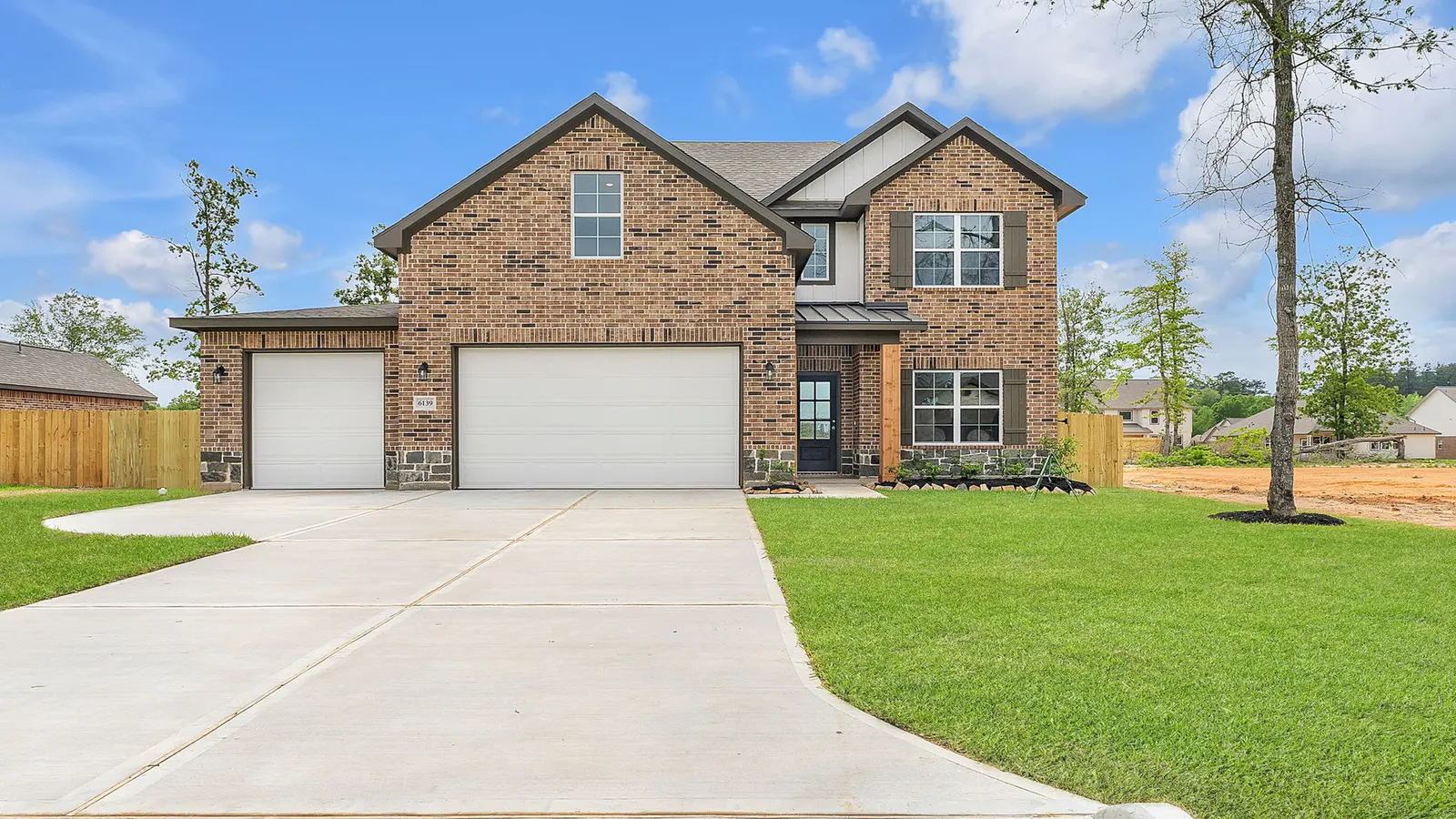
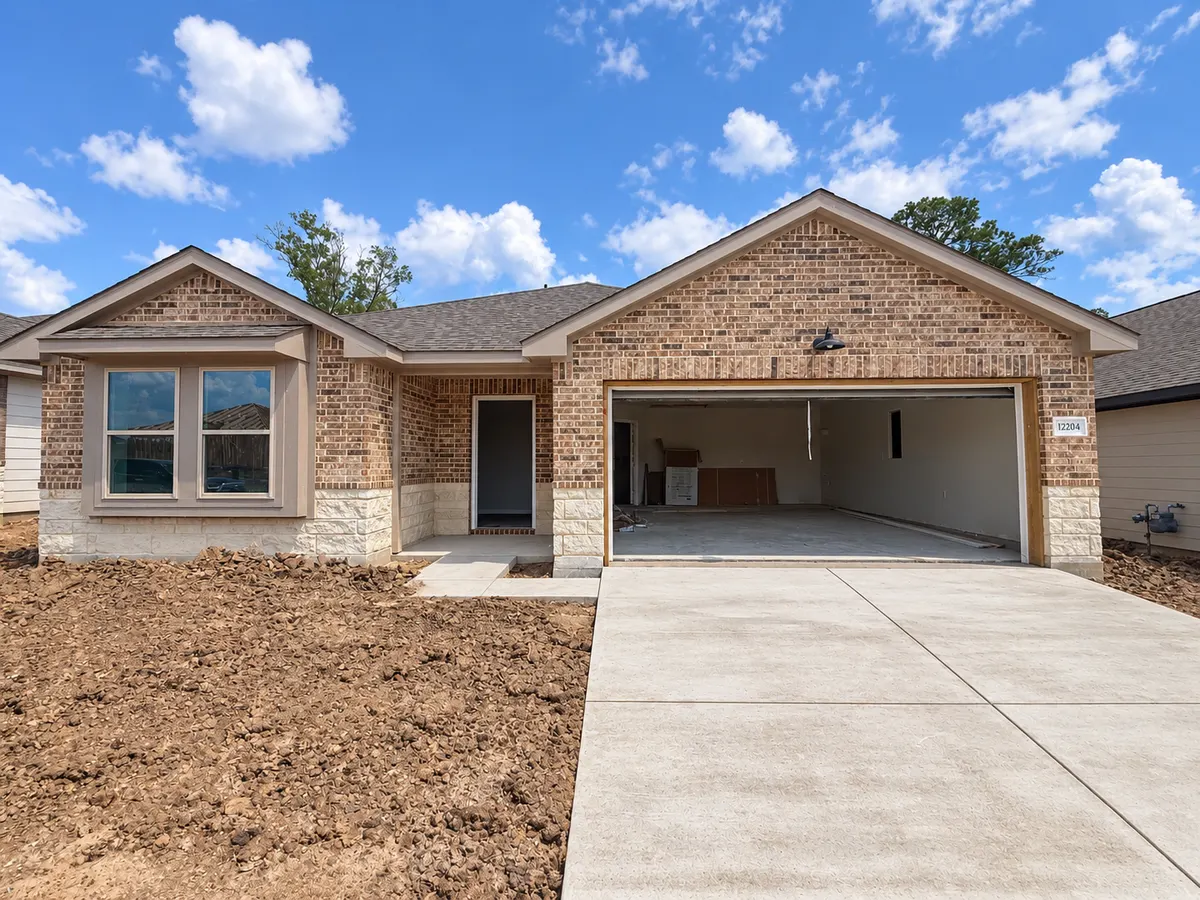
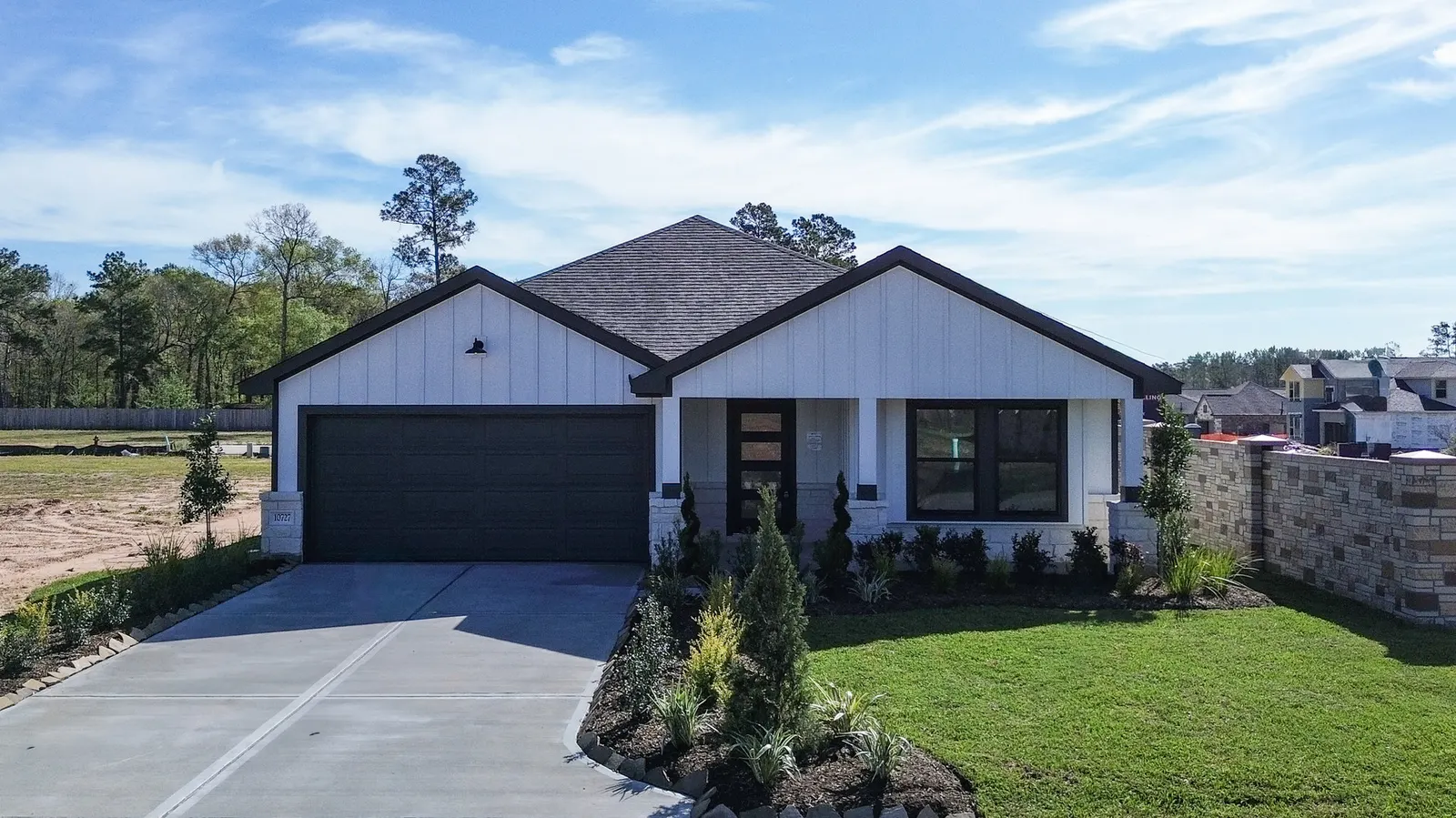
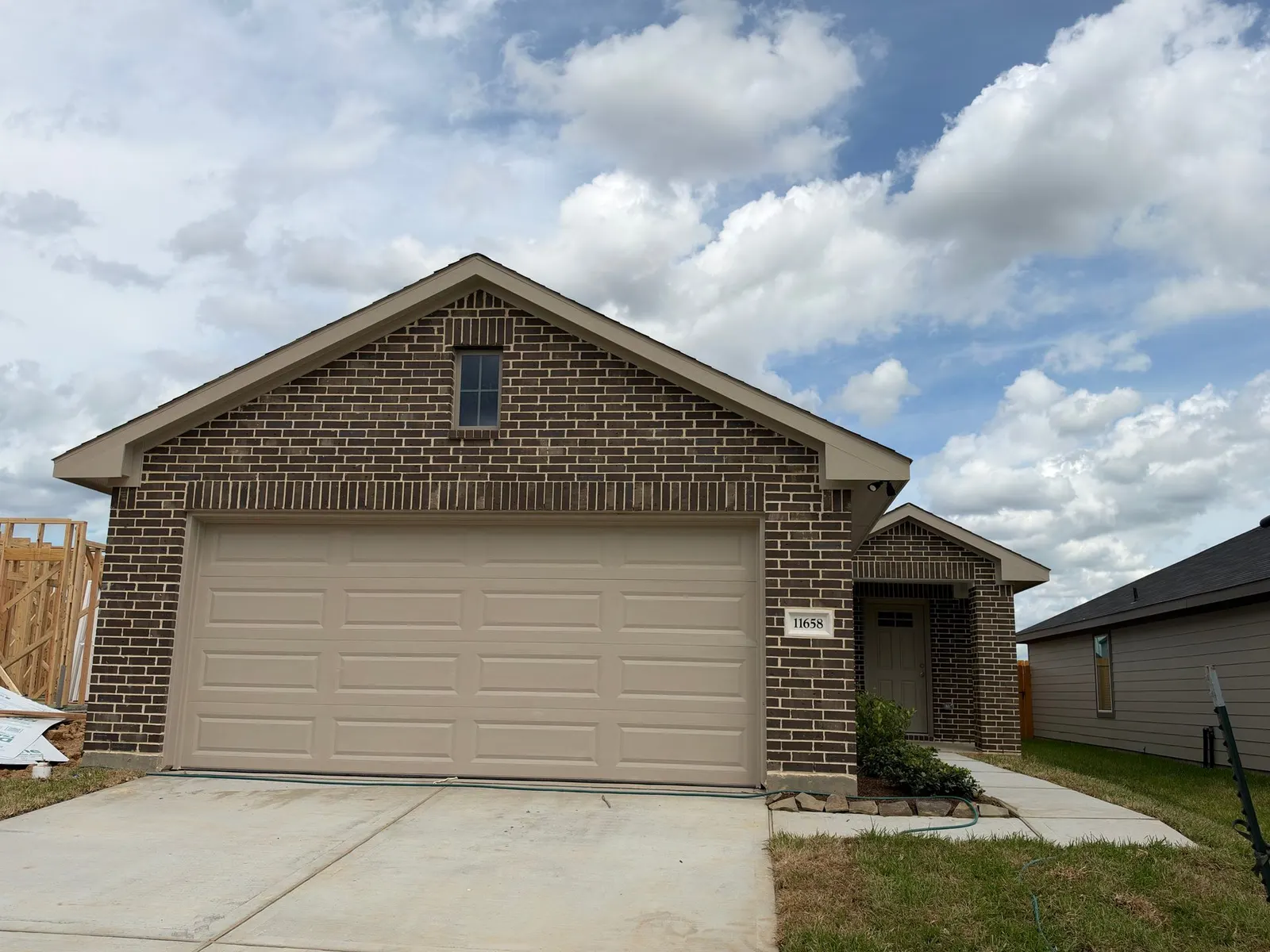
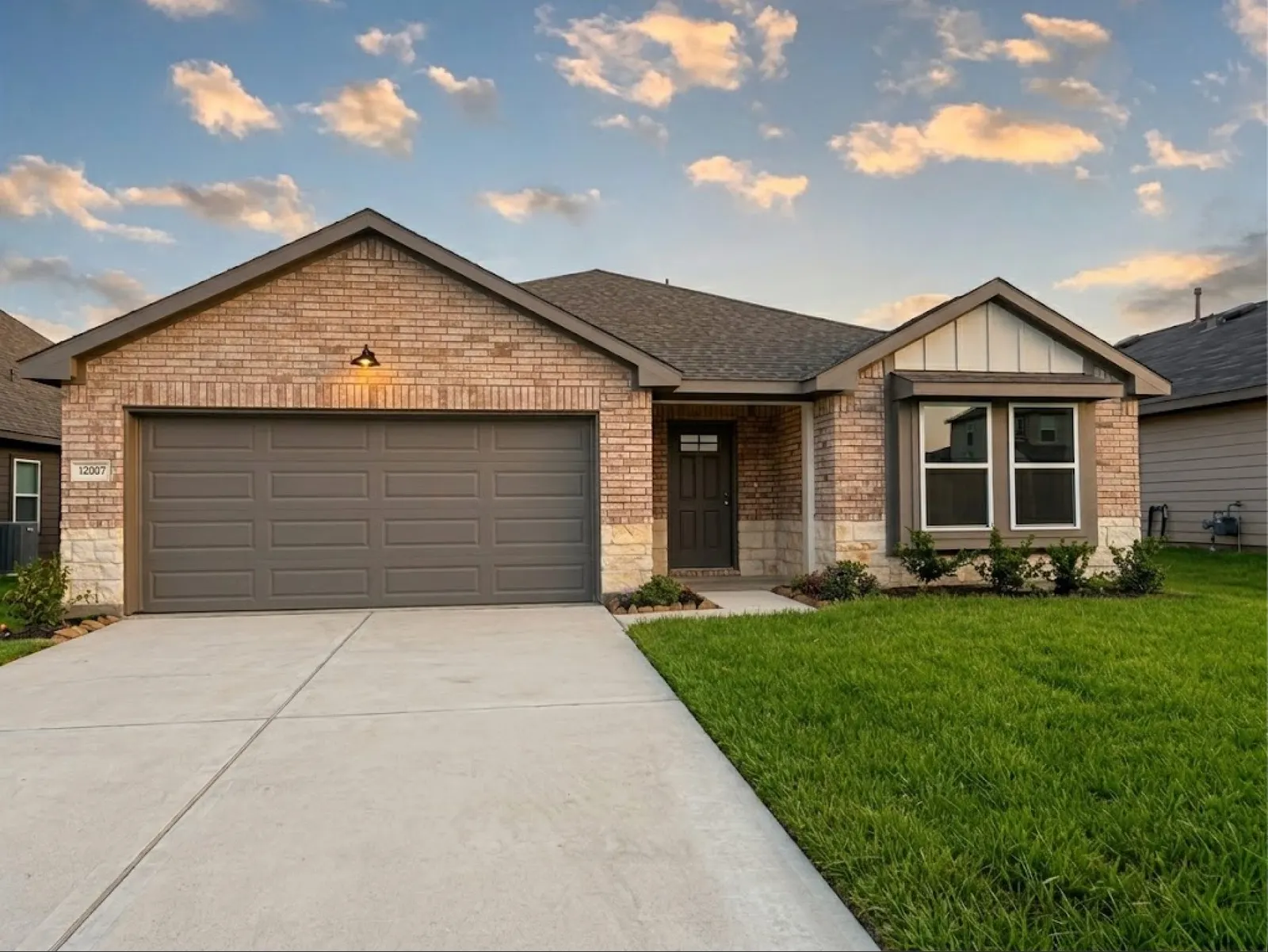
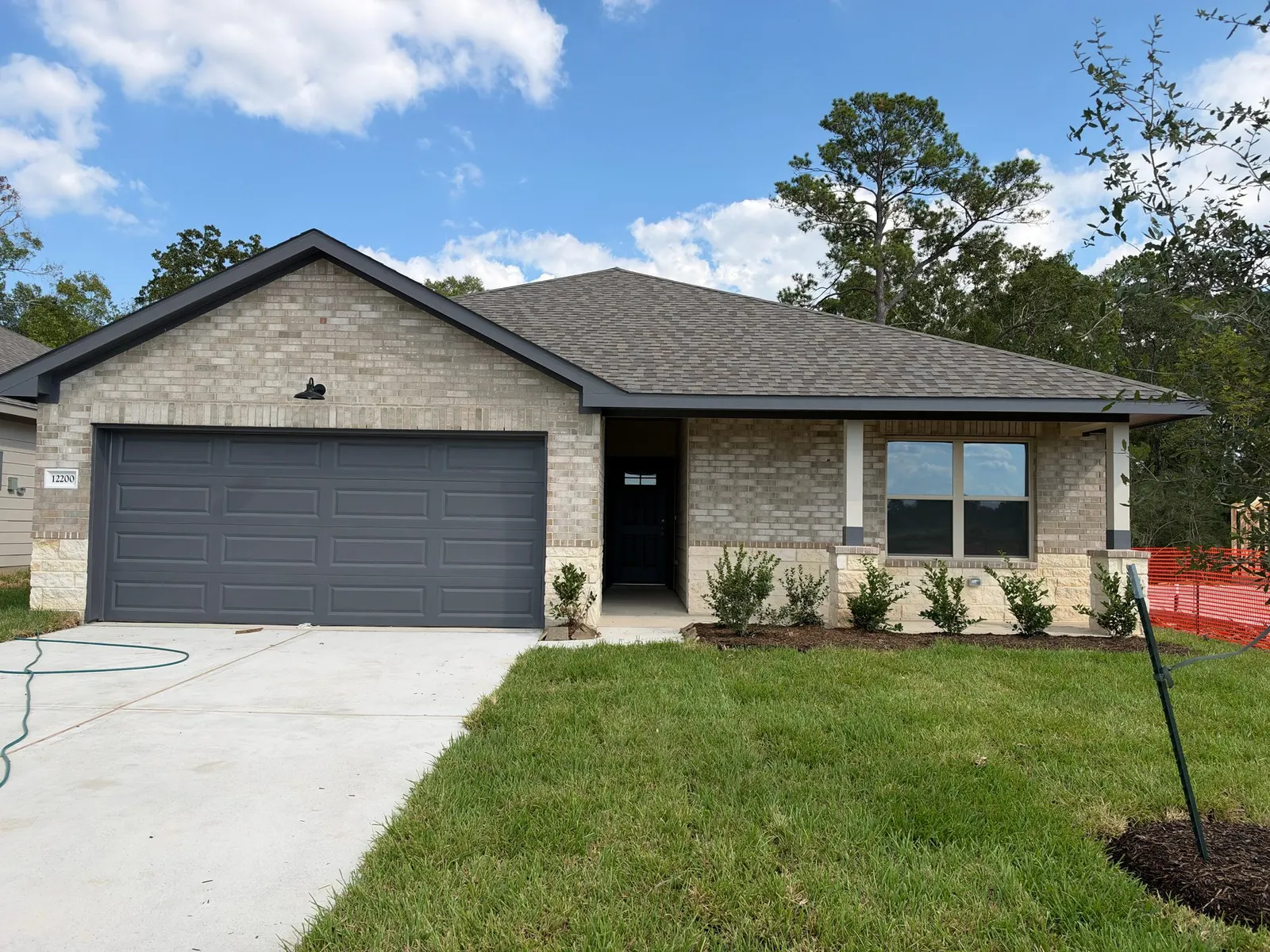
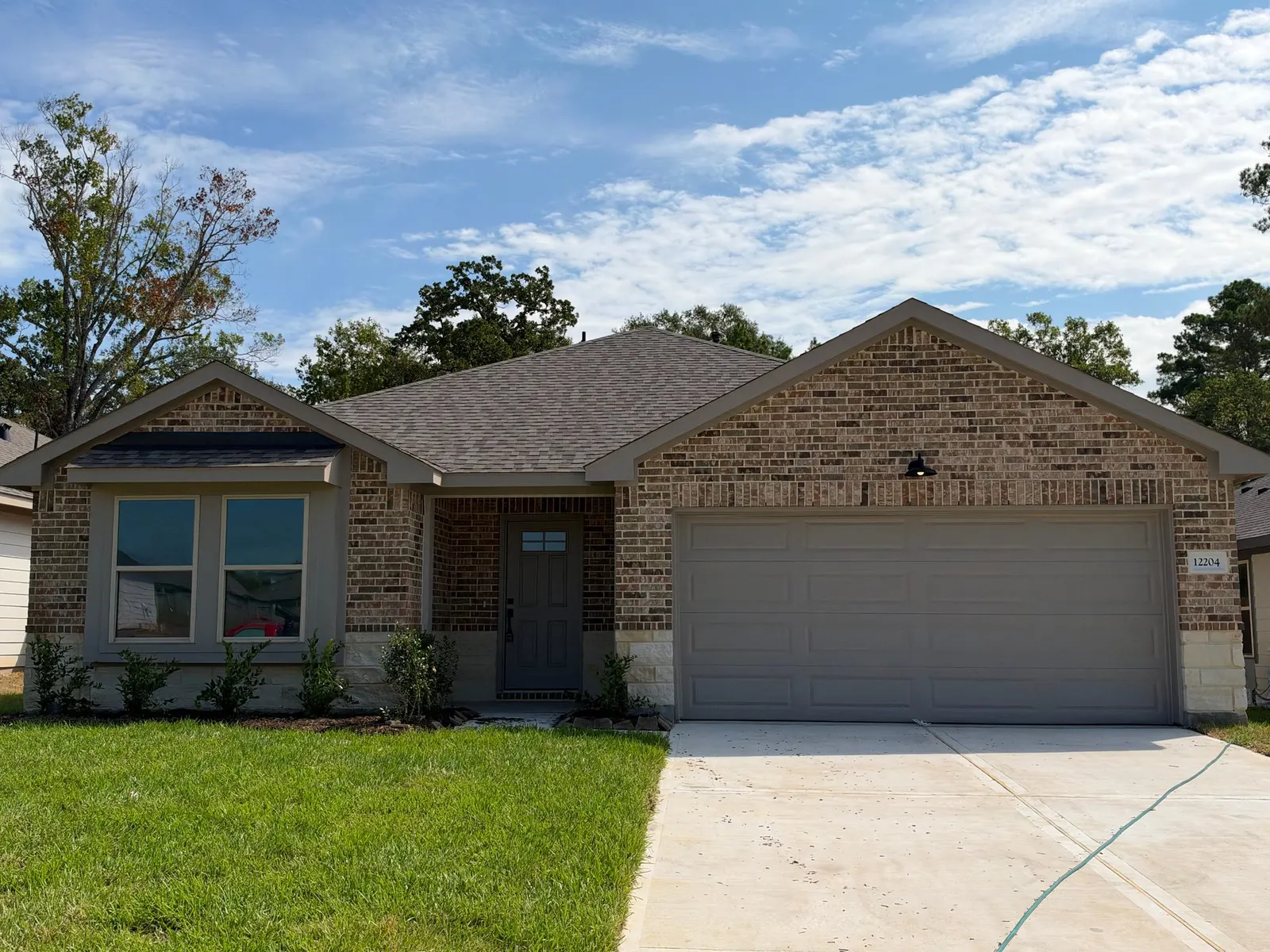
Based on available market inventory data, new construction is estimated to account for approximately 40%–50% of residential activity in Montgomery County, reflecting one of the most active new-home markets in the Greater Houston region.
Taken together, these metrics suggest Montgomery County has transitioned from an extreme seller's market into a more balanced environment where buyers have greater choice while sellers continue benefiting from consistent long-term demand fundamentals.
Sources: Houston Association of Realtors (HAR), Realtor.com, Redfin, U.S. Census Bureau, Bureau of Economic Analysis (BEA), and other publicly available economic and housing market data sources. Statistics reflect the most recent information available at the time of publication.
Why New Construction Continues to Play a Major Role
One characteristic that distinguishes Montgomery County from many suburban housing markets is the significant role new construction continues to play in overall inventory.
Unlike many suburban markets where available inventory consists primarily of resale homes, Montgomery County continues to see substantial residential development throughout Conroe, Montgomery, Magnolia, Willis, Porter, New Caney, and other growth corridors.
The county continues to attract new residents while maintaining sufficient land to support future development.
As a result, builders remain active across a broad range of price points and product types, helping accommodate housing demand while providing buyers with options that may not exist in more mature markets.
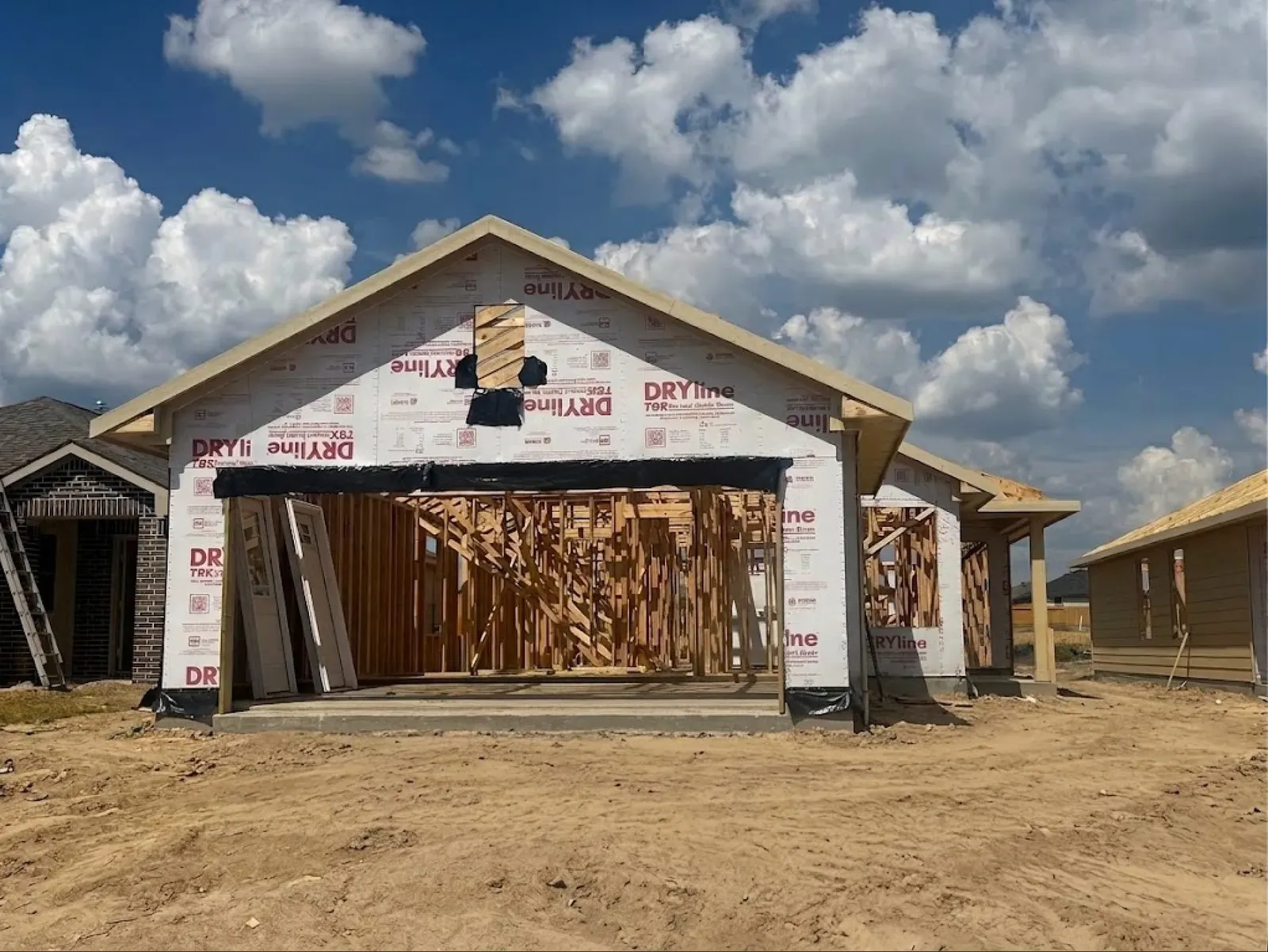
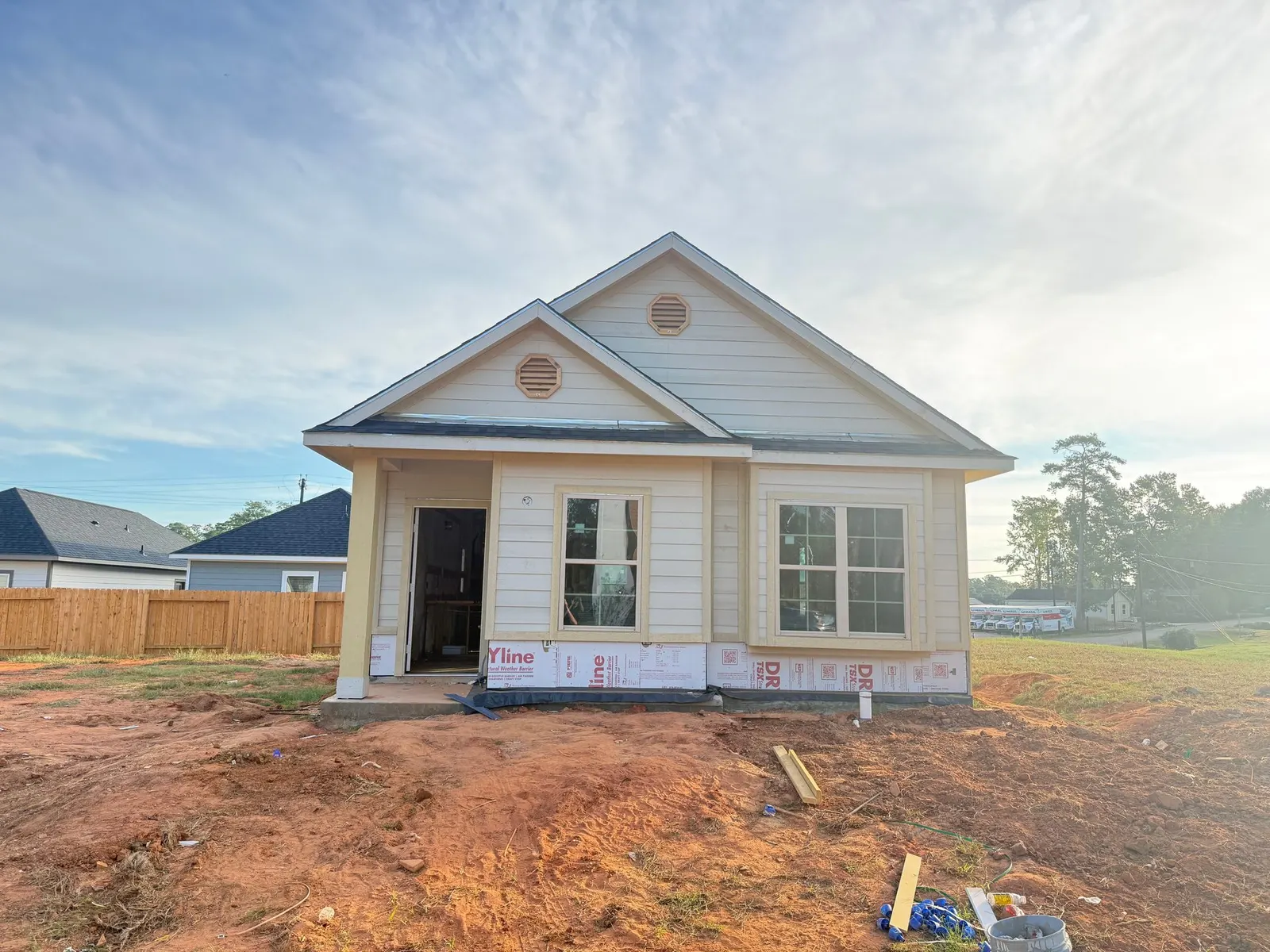
One reason inventory levels have improved throughout Montgomery County is because builders continue delivering new homes across multiple submarkets. New master-planned communities and expansion phases throughout the county have helped increase housing supply while creating additional opportunities for buyers seeking new construction.
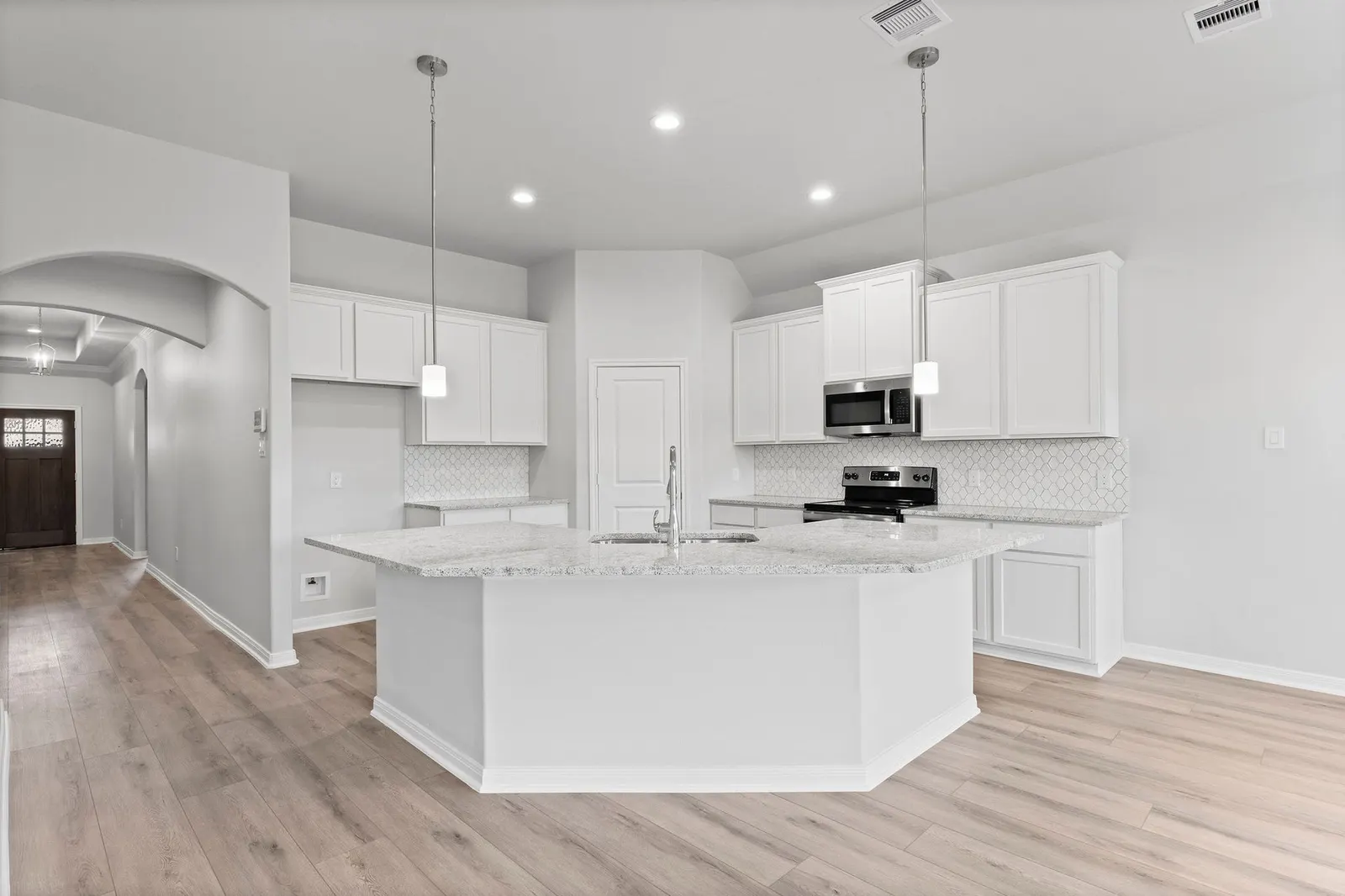
For many buyers, new construction offers advantages that are difficult to replicate in the resale market, including:
Modern floorplans
Energy-efficient construction
Smart-home technology
Builder warranties
Community amenities
Lower maintenance requirements
In addition, many builders continue offering financing incentives such as mortgage rate buydowns, closing-cost assistance, and inventory-home opportunities that can improve affordability and monthly payment flexibility.
As market conditions continue to normalize, these incentives have become an increasingly important consideration for buyers evaluating their options.
A Market Positioned for Long-Term Demand
While short-term market conditions will continue to fluctuate, the long-term drivers supporting Montgomery County housing demand remain intact.
After spending my career evaluating land, communities, and housing demand, I believe the markets that perform best over time are those built on sustainable economic fundamentals rather than short-term speculation. Montgomery County continues to demonstrate those characteristics.
Employment growth, transportation access, population migration, commercial investment, available land, and ongoing infrastructure improvements continue to create demand for housing throughout the county.
These fundamentals help explain why residential development remains active despite changing interest rate environments and broader economic uncertainty.
As long as Texas continues to attract businesses and workers, and as long as the Greater Houston economy continues to expand, areas that offer access, opportunity, and room for growth will remain well-positioned.
Montgomery County has demonstrated its ability to capitalize on those advantages for decades.
The result is a market where economic growth, commercial development, and residential expansion continue to reinforce one another, creating opportunities not only for today's residents but for future generations as well.
For homebuyers, that means Montgomery County remains one of the few areas in the Houston region where long-term economic growth, infrastructure investment, and new housing opportunities continue to align. For those considering a newly built home, the combination of expanding communities, modern housing options, and strong long-term fundamentals makes Montgomery County one of the most compelling housing markets in Texas today.
Housing markets will always experience cycles. Interest rates will rise and fall. Inventory will tighten and expand. Buyer preferences will evolve.
What tends to remain constant are the long-term fundamentals that drive housing demand: employment, population growth, infrastructure, and economic opportunity. Those fundamentals continue to position Montgomery County as one of the strongest long-term housing markets in Texas.
Scott Gilbert
President, Alta Homes
Consumer Perspective
What factor is most important when choosing where to live?
Schools
Employment opportunities
Affordability
Commute time
Lifestyle and amenities
New construction availability
Other
Industry Perspective
What do you believe is the primary driver of Montgomery County's continued growth?
Job creation
Transportation access
Population migration
School districts
Infrastructure investment
Housing availability
Business-friendly environment
Other


Comments