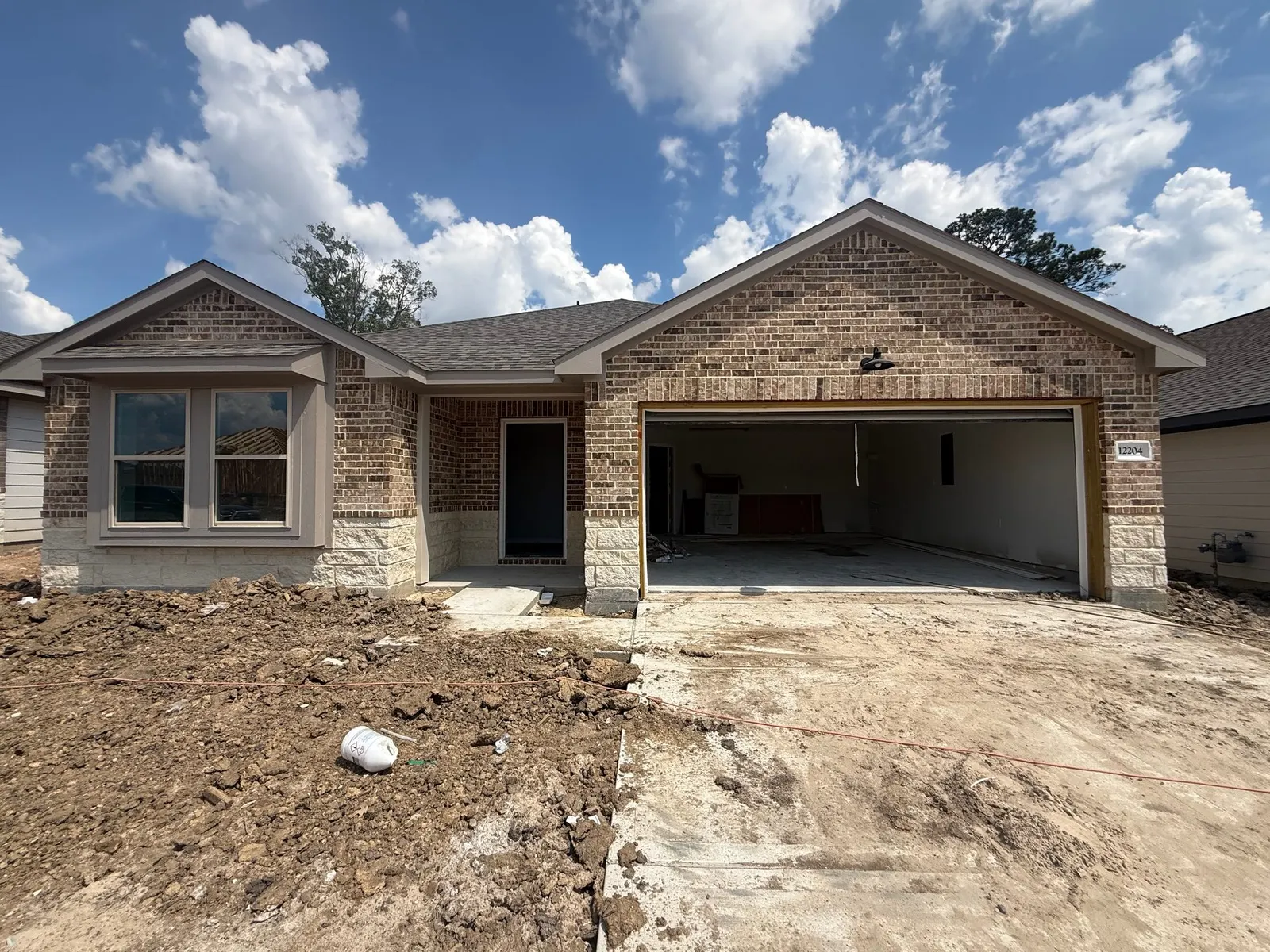
Choosing the Right Time to Buy a Home
Homebuyer Tips Jul 21, 2026 · 3 min read Updated: Sep 8, 2026
The right time to buy a home is personal. Market conditions matter, but so do the stability of your plans, the cost of the home, and how much flexibility you want to keep.
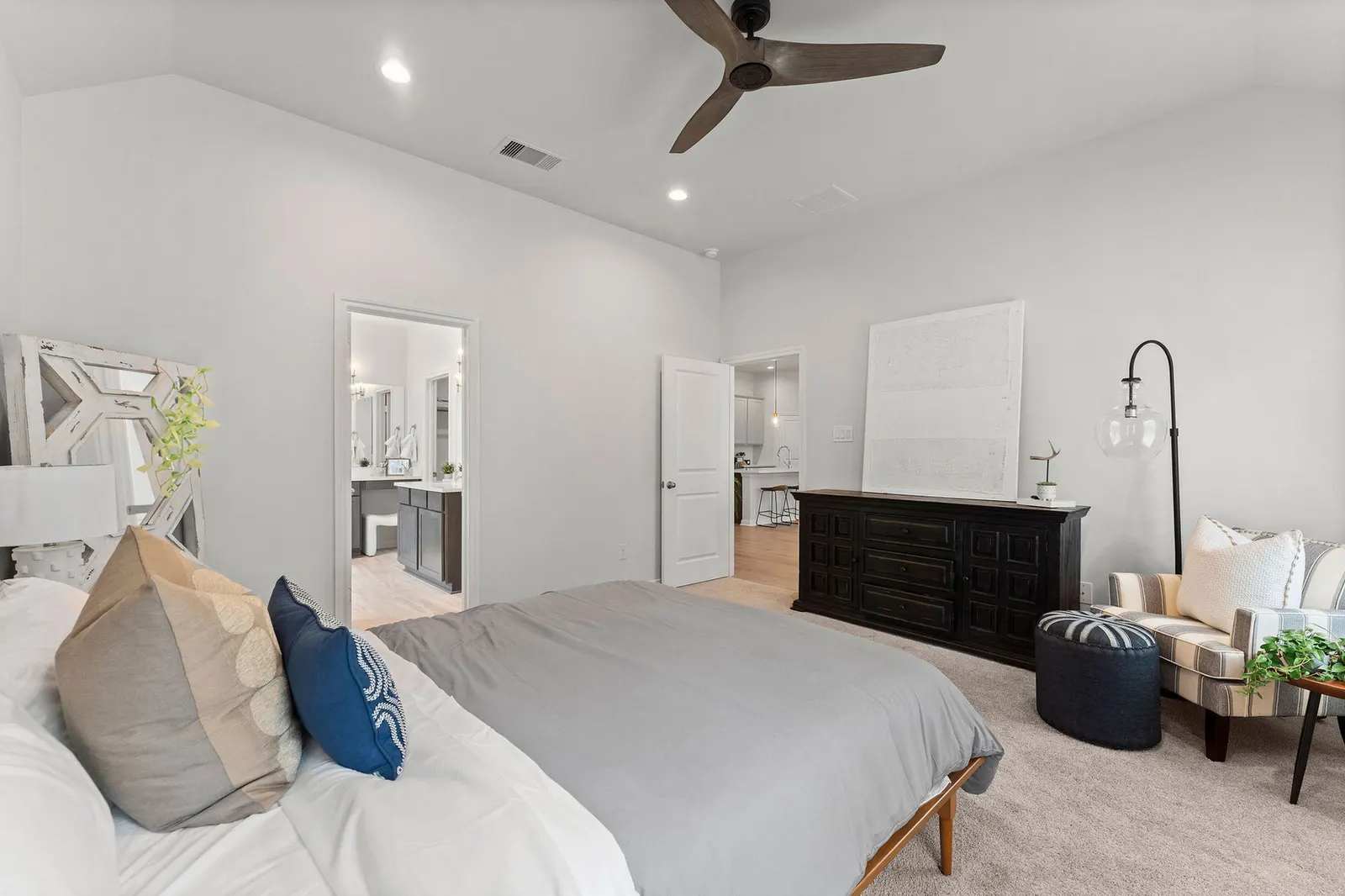
Instead of waiting for every headline to agree, identify the conditions that would make a purchase workable for you. Those conditions may support buying now, changing the search, or waiting.
Decide how long the home needs to work
Consider the likelihood of a job move, a change in household needs, or another relocation. Buying and selling involve transaction costs, so an unexpectedly short stay can change the financial result.
The CFPB’s guide to deciding when to buy discusses both ownership responsibilities and situations in which renting may provide useful flexibility.
A long intended stay can give you more time to use the home, but it does not guarantee appreciation. Choose a layout and location you would be comfortable keeping without a particular future resale price.
Use current numbers for the home you want
Request financing and expense estimates for a specific address. Compare the total housing cost with the rest of your budget, including the savings you want available after closing.
Review any incentive’s written terms and expiration. A deadline on an offer should not replace the review of the home, loan, and contract. If an essential detail remains unclear, resolve it before committing.
Give waiting a purpose
Waiting may help when you need more savings, a clearer job situation, time to sell a home, or information about a new area. Name the thing you want to accomplish and set a point to review your plans again.
For example, you might gather lender estimates after correcting a report error, revisit homes once a relocation date is confirmed, or compare lease renewal with buying before giving notice. These are decisions you can act on without forecasting the market.
Keep personal value and investment assumptions separate
A home may offer outdoor space, a better layout, or a location that suits your routine. Those can be valid reasons to buy. Evaluate them alongside the cost rather than treating them as proof of a financial gain.
Also consider what you would give up: cash committed to the purchase, responsibility for upkeep, and the effort of selling if you need to move. Both benefits and obligations belong in the decision.
Choose the next step that provides information
If buying may fit, compare Alta communities and shortlist available homes. Take your timeline and budget questions to a Home Advisor and lender. If you are still uncertain about ownership, review the renting and buying comparison.
You do not need a perfect market. You do need enough reliable information to decide whether a particular home and purchase work for you.