How Much Money Do You Really Need to Buy a Home?
- 4 days ago
- 5 min read

The Number Most People Have in Their Head Is Wrong
One of the most common conversations I have with prospective homebuyers starts the same way.
"Scott, we'd love to buy a home, but we just don't have enough money saved."
When I ask how much they think they need, the answer is often surprising.
Many first-time homebuyers in Montgomery County and repeat buyers for that matter believe they need 20% down, thousands of dollars for closing costs, and several more thousand dollars to furnish and finish the home after they move in.
For a $250,000 home, that could mean believing they need $50,000 or more in savings before they can even begin the process.
The reality is that many qualified buyers are surprised to learn they may need far less cash than they expected.
In fact, one of the biggest barriers to homeownership isn't money.
It's misinformation.
The 20% Down Payment Myth
Somewhere along the way, many Americans became convinced that buying a home requires a 20% down payment.
While putting 20% down can offer certain advantages, it is far from the only path to homeownership.
Today, there are financing programs designed specifically for first-time buyers and working families that may require significantly less money upfront.
The challenge is that many renters never explore those options because they assume they won't qualify.
They eliminate themselves before speaking with a lender.
That's why one of the most important steps in the home-buying process isn't saving more money.
It's finding out what is actually possible.
What Buyers Really Need
Every buyer's situation is different. Recently, I met with a couple who assumed they needed more than $40,000 saved before they could buy a home. After meeting with our preferred lender, Jake Narvaez with CMG Mortgage, they discovered they qualified with substantially less cash than they expected and were able to begin planning their move much sooner than anticipated.
A simple mortgage pre-qualification, often completed using a soft credit inquiry that doesn't affect your credit score, typically takes less than an hour, and gives buyers a much clearer picture of what is actually possible.
Income, credit history, debt, employment, and financing options all play a role.
But in my experience, most buyers are less concerned about the monthly payment than they are about the upfront cash required to get started.
They worry about:
Down payment
Closing costs
Appliances
Window coverings
Landscaping
Unexpected move-in expenses
Those concerns are understandable.
The good news is that many of those expenses can be reduced or eliminated when purchasing a new Alta Home.
Why So Many Renters Are Surprised
Approximately half of our buyers come directly from rental housing.
Many walk into our model homes believing ownership is years away.
Then they discover what is actually included.
Qualified Alta buyers may currently benefit from:
4.99% Fixed Interest Rate*
Contributions towards Closing Costs*
Refrigerator Included
Washer Included
Dryer Included
Window Blinds Included
Garage Door Opener Included
Rear Sod Included
For many families, those incentives can significantly reduce the amount of money needed both before and after closing.
Instead of purchasing appliances, blinds, and other necessities after move-in, buyers can focus on settling into their new home.
Affordable Homes Still Exist
Another misconception is that all new homes are expensive.
While affordability continues to be a challenge for many families, recent movements in mortgage rates and continued builder incentives have created opportunities that simply didn't exist for many buyers a year ago.
The truth is that Alta Homes was founded with a simple mission: creating attainable homeownership opportunities for Montgomery County families.
Many buyers assume affordable new construction homes no longer exist in Montgomery County. The reality is that affordable options still exist, especially when builder incentives are combined with available financing programs.
In fact, Alta Homes has seen firsthand what happens when attainable homeownership opportunities are brought to market.
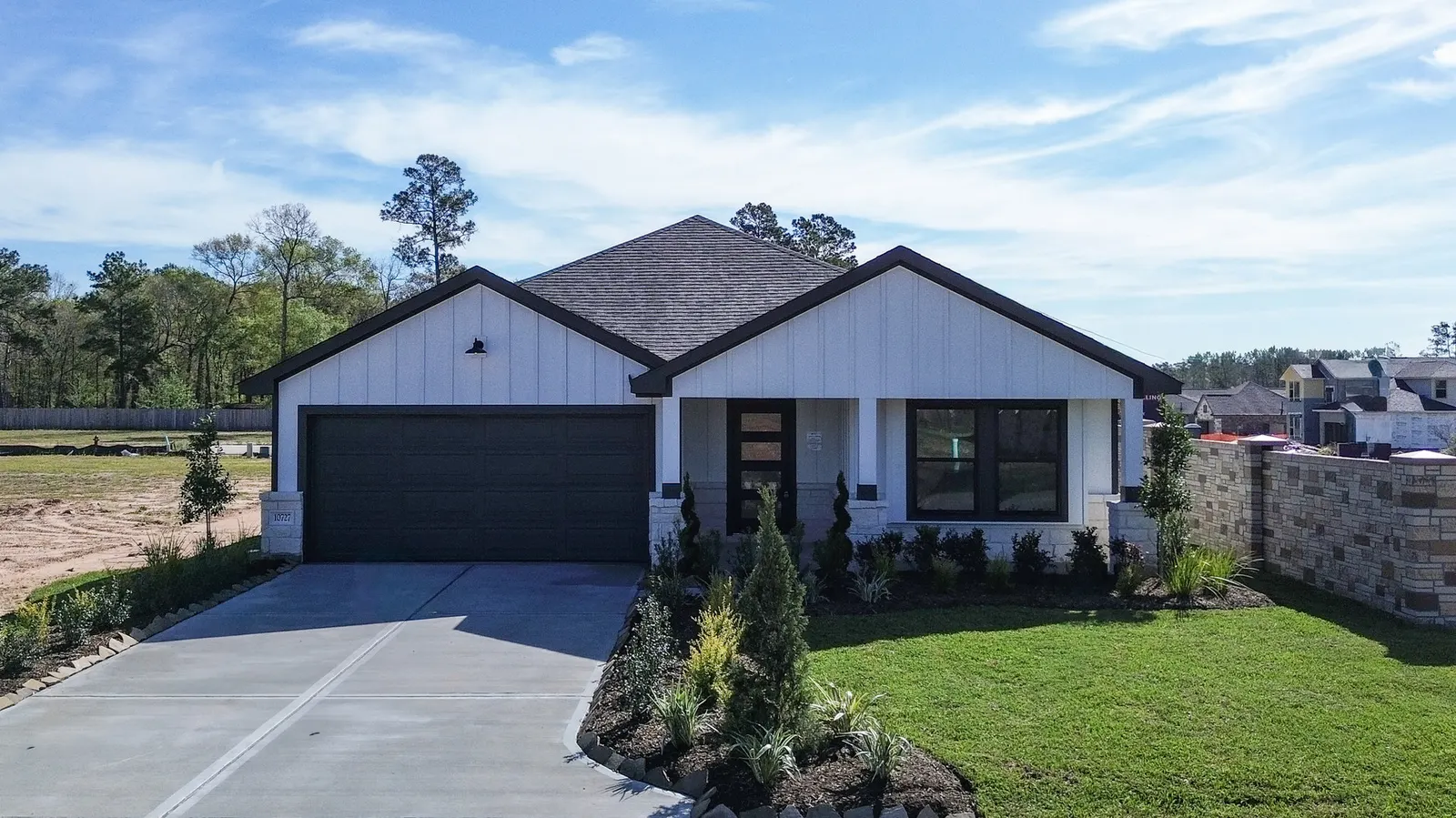
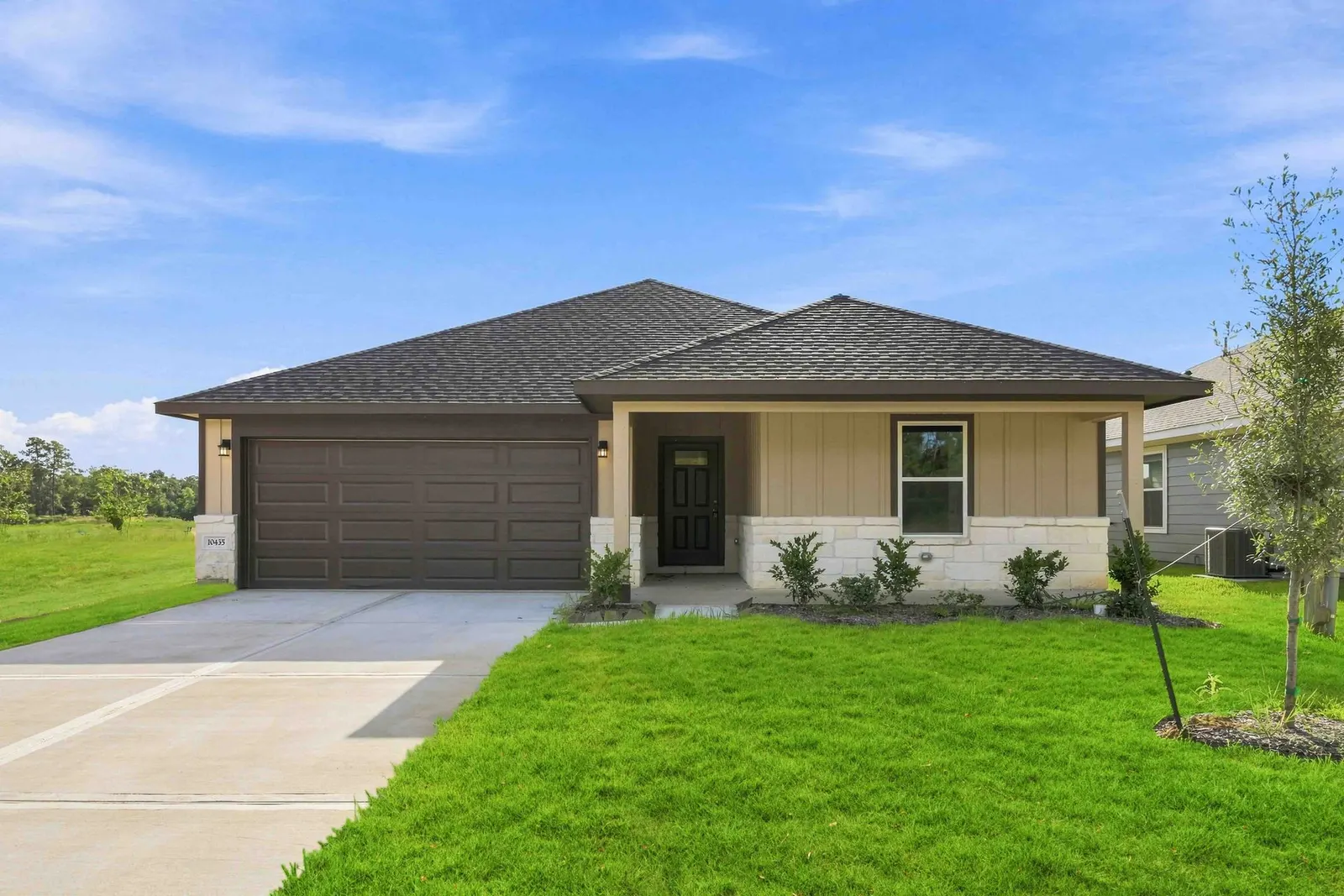
One of our most successful communities, East Gate Villas, was built around a simple concept: provide buyers with a well-designed home at a price point that makes homeownership achievable. The community's Sycamore floorplan became one of the most popular homes we have ever built because it addressed the needs of first-time buyers, renters, young families, and downsizers seeking value without sacrificing functionality.
At approximately 1,170 square feet with three bedrooms, two bathrooms, and an open-concept layout, the Sycamore delivered something many buyers believed no longer existed, an affordable path to homeownership. With pricing that was often available below $225,000 and a community that originally launched from the $190s, East Gate Villas demonstrated that demand for affordable housing remains incredibly strong when builders focus on value and affordability.
The fact that East Gate Villas ultimately sold out reinforces something I have observed throughout my career: buyers are not simply searching for square footage, they’re searching for stability, equity, ownership, and an opportunity to build wealth for their families.
Today, Alta Homes continues that same commitment by offering affordable homeownership opportunities throughout Montgomery County for buyers who may believe purchasing a home is still years away.
The lesson is simple: don't assume homeownership is out of reach based on outdated information or past experiences. The best way to determine what may be possible is to explore your options and understand the programs, incentives, and homes currently available in today's market.
While East Gate Villas is now sold out, Alta Homes continues that same commitment to attainable homeownership in communities throughout Montgomery County.
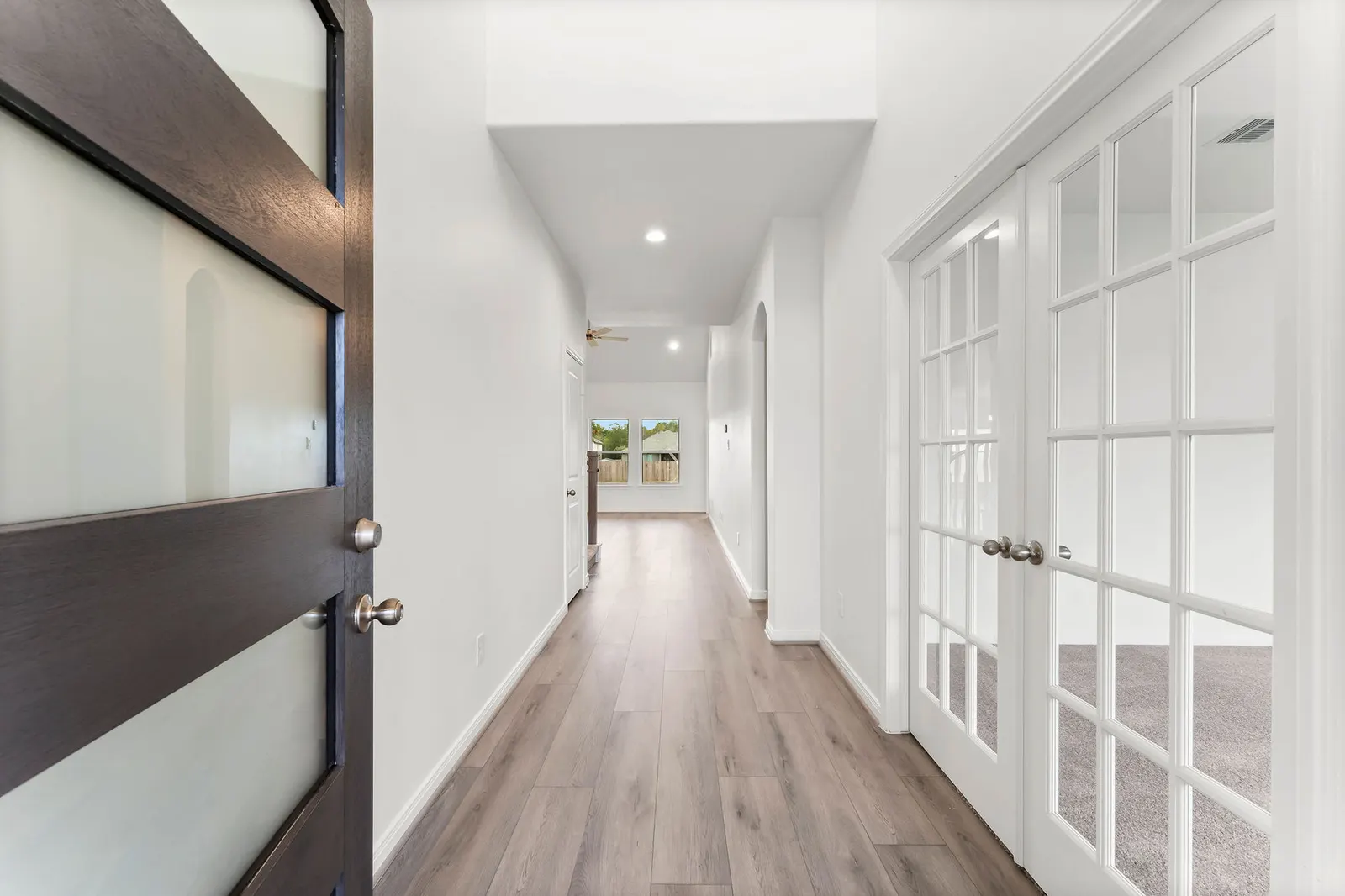
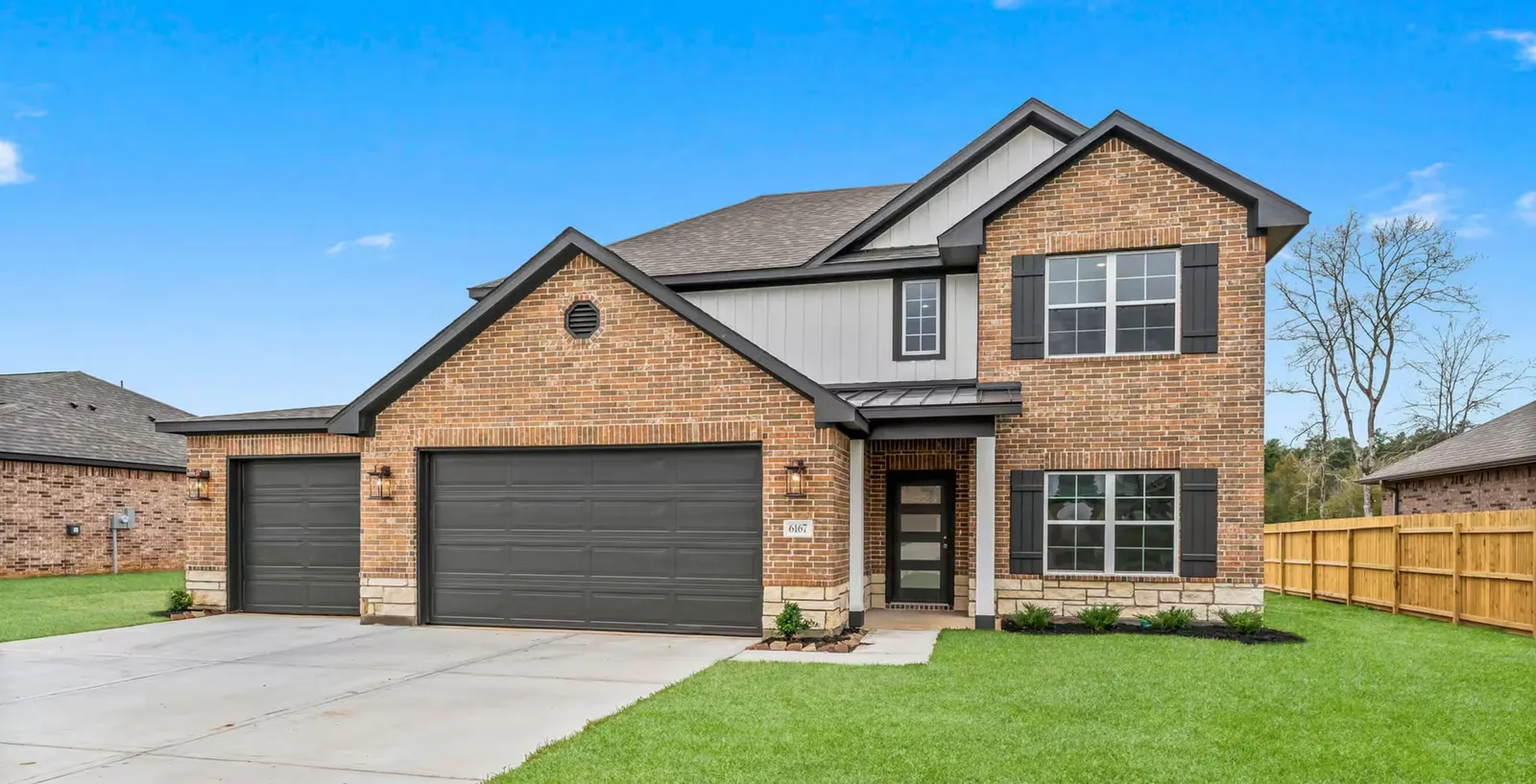
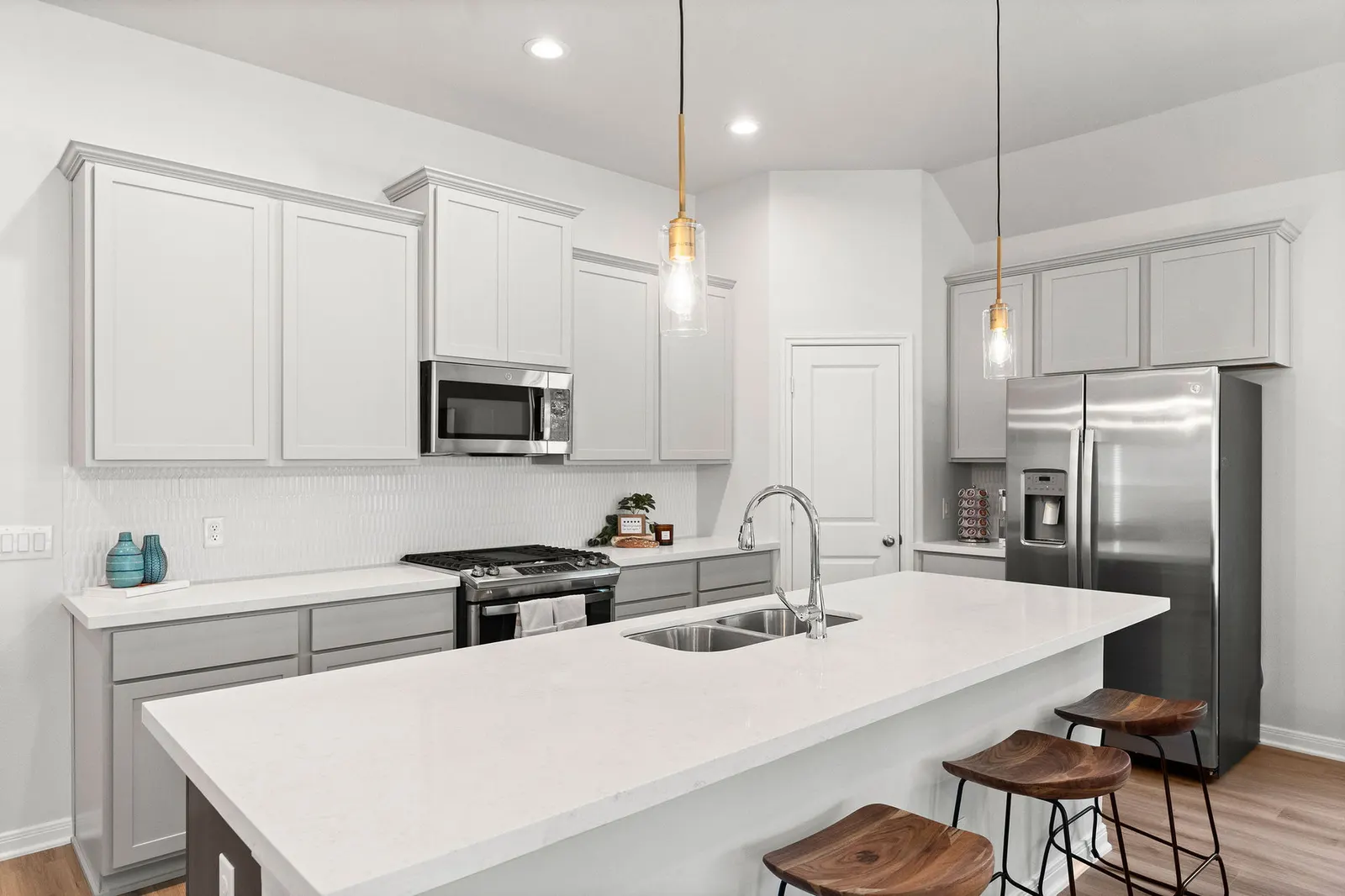
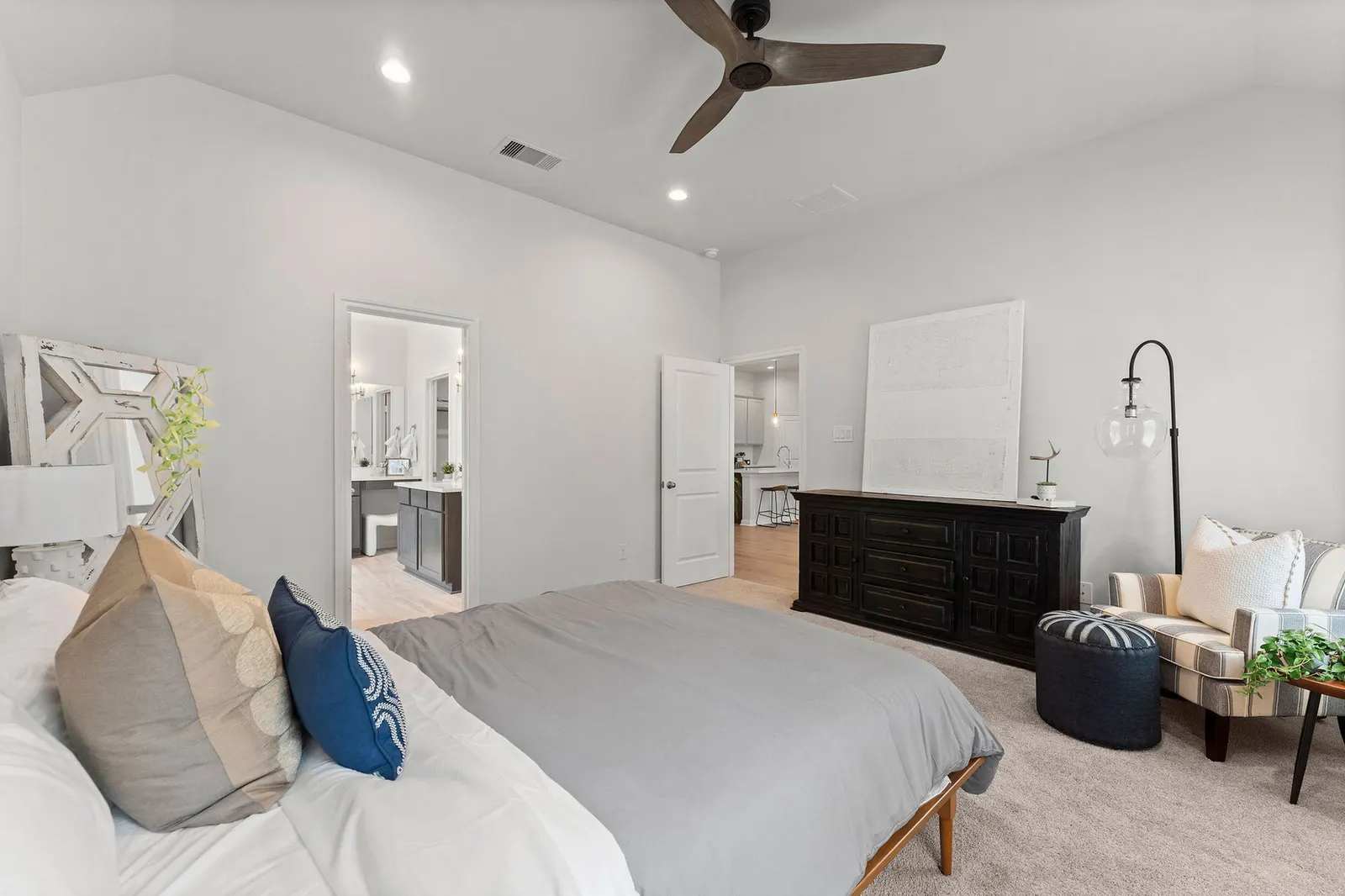
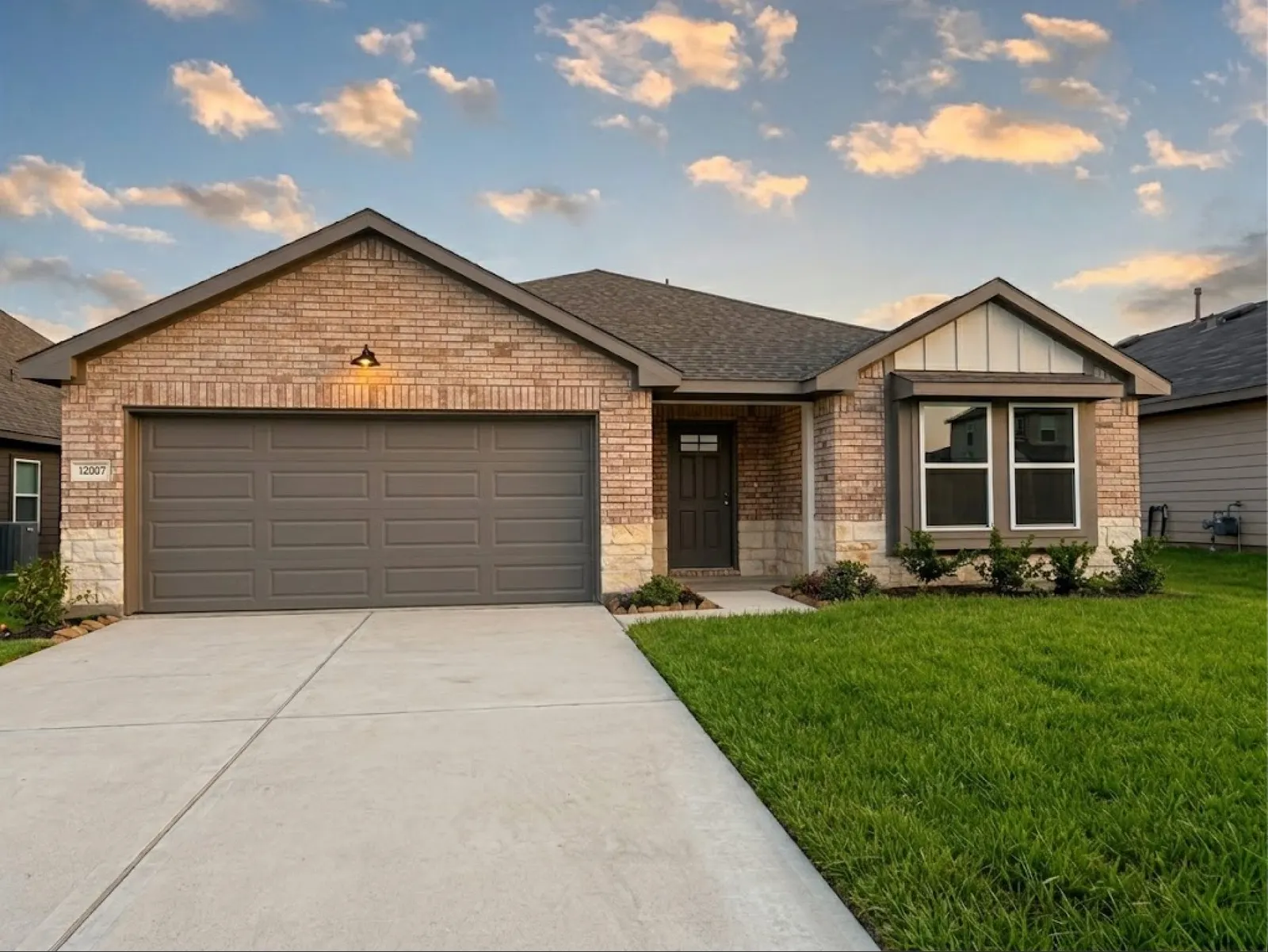
Take our Heritage 1331 floorplan as an example.
Starting from the $230s, it offers:
3 Bedrooms
2 Bathrooms
2-Car Garage
Open Concept Design
Large Island Kitchen
Walk-In Pantry
For many renters currently paying monthly housing costs that continue to increase, the numbers often look very different once they see what ownership may actually require.
The Question Isn't "How Much Money Do I Need?"
The better question is:
"How much money would I need based on my situation?"
The answer is different for every family.
That's why online calculators and internet articles can only tell part of the story.
A conversation with a qualified mortgage professional can provide real answers based on your actual financial picture.
You may discover you're ready today.
You may discover you need a few months to prepare.
Either way, you'll have a plan.
And a plan is far more valuable than an assumption.
Don't Disqualify Yourself
Throughout my career, I've helped thousands of families purchase homes.
Many of them started the process believing homeownership was impossible.
Many assumed they didn't have enough money.
Many thought their credit wasn't good enough.
The families who succeed aren't necessarily the ones with the most money saved.
They're the ones willing to ask questions and explore their options.
If you've been renting and wondering whether homeownership is possible, don't let assumptions make the decision for you.
Find out where you stand.
The answer may surprise you.
Your Next Step
The best way to determine how much money you really need to buy a home is through a personalized Homeownership Consultation and Mortgage Readiness Review.
Our team can help you understand your buying power, available financing options, and the opportunities that may be available to you right now.
Whether you're ready today or six months from now, understanding your options is the first step. A short conversation with our team can help you replace assumptions with a plan.
Scott Gilbert
President, Alta Homes
Consumer Perspective
Before reading this article, how much money did you believe was required to purchase a home?
Less than $5,000
$5,000 - $10,000
$10,000 - $25,000
$25,000 - $50,000
More than $50,000
Industry Perspective
What financial misconception prevents buyers from moving forward most often?
Need 20% down
Closing costs are too high
Monthly payment concerns
Credit concerns
Lack of information
Other
What topic would you like to see discussed in future articles?


Comments