Homeowners and Flood Insurance for New Homes in Montgomery County, TX
Homebuyer Tips Sep 24, 2026 · 4 min read
Alta Homes Team
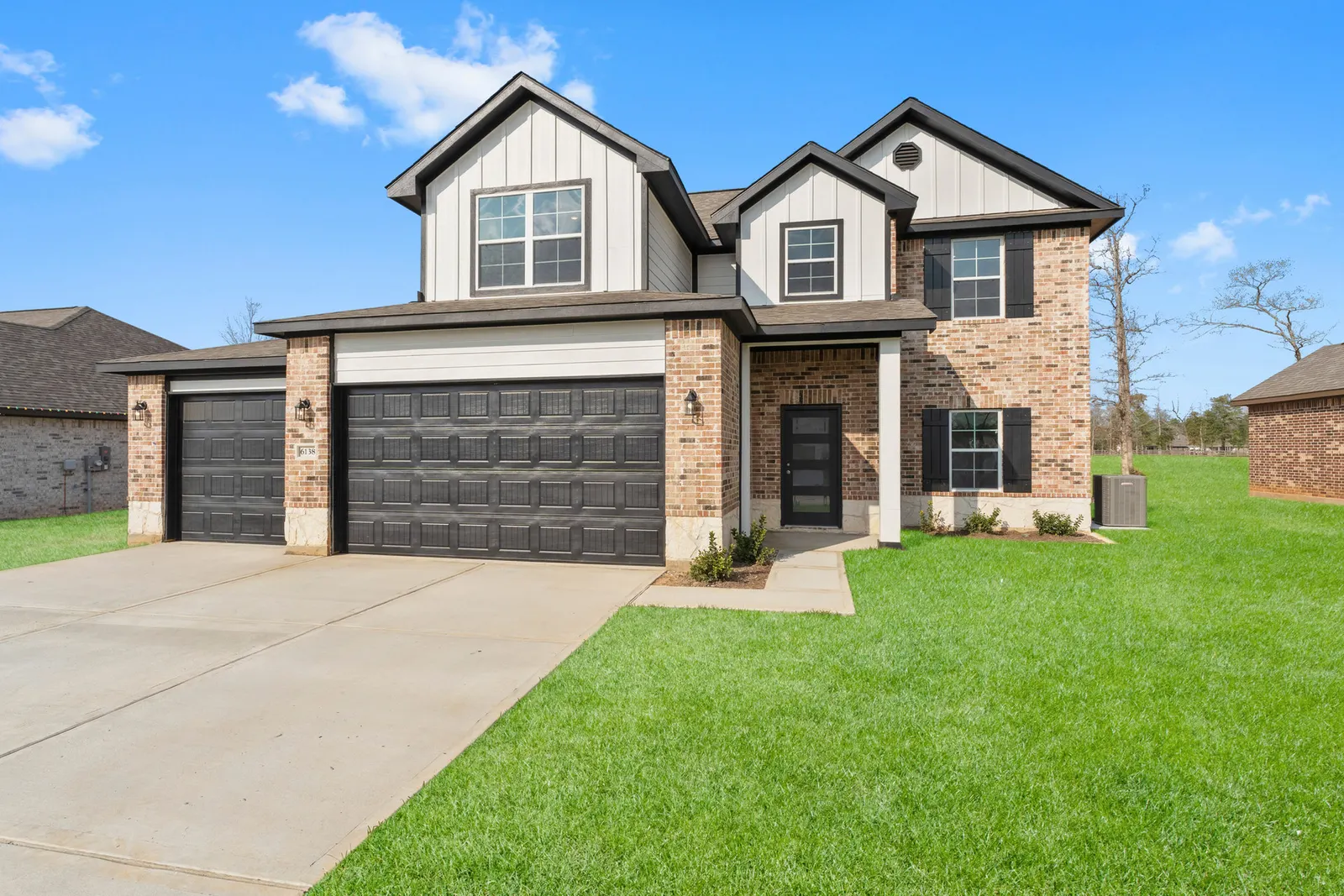
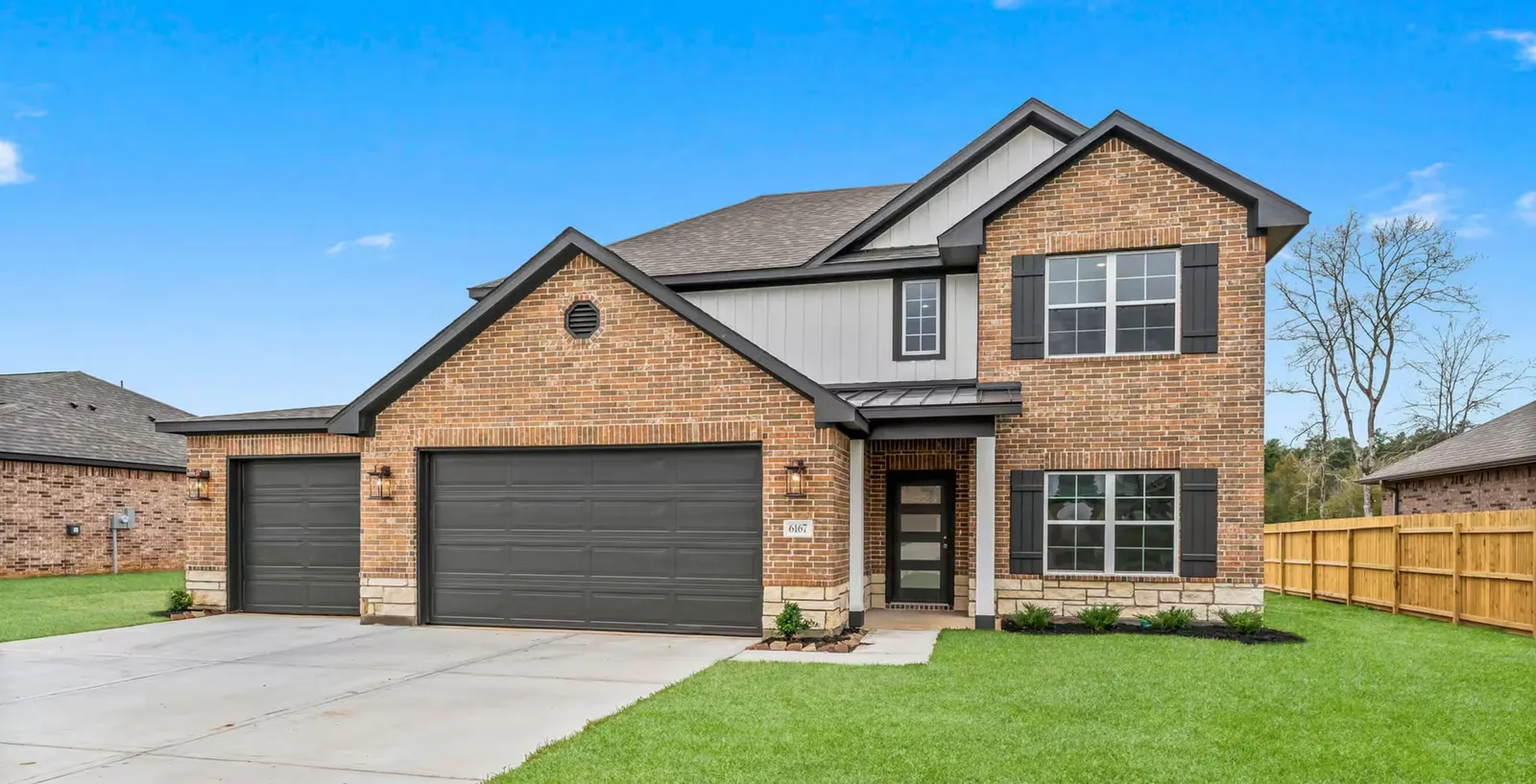
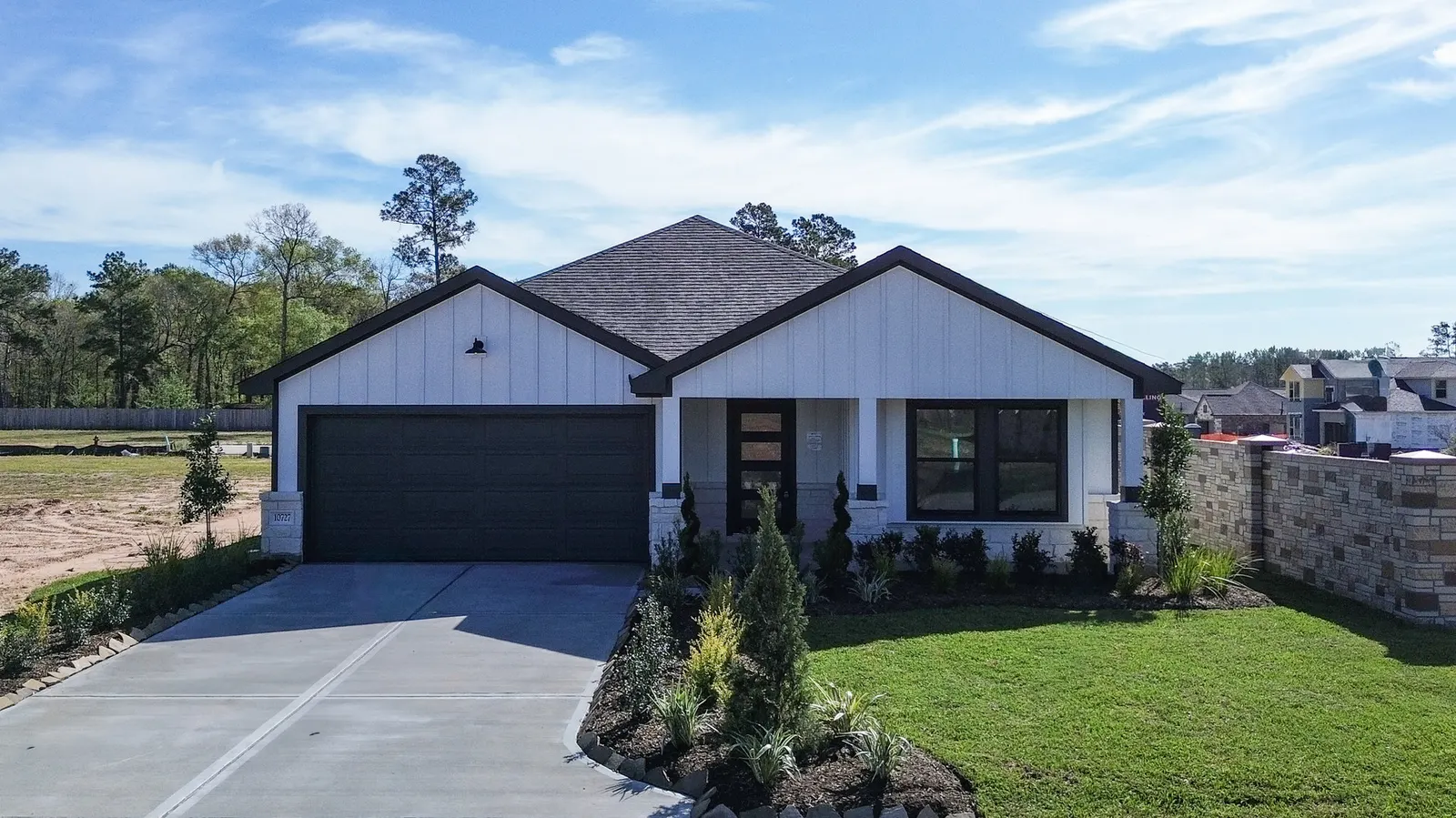
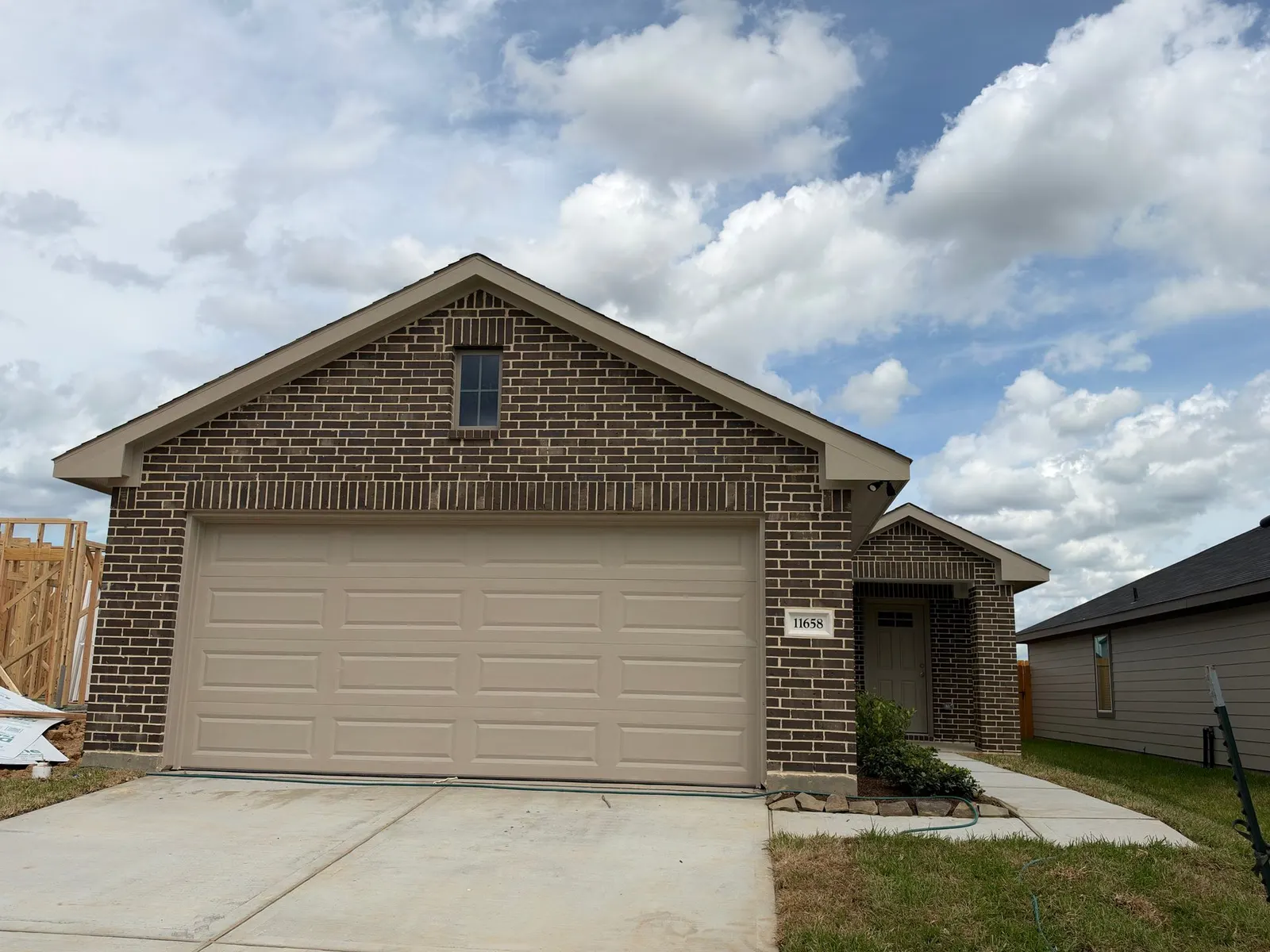
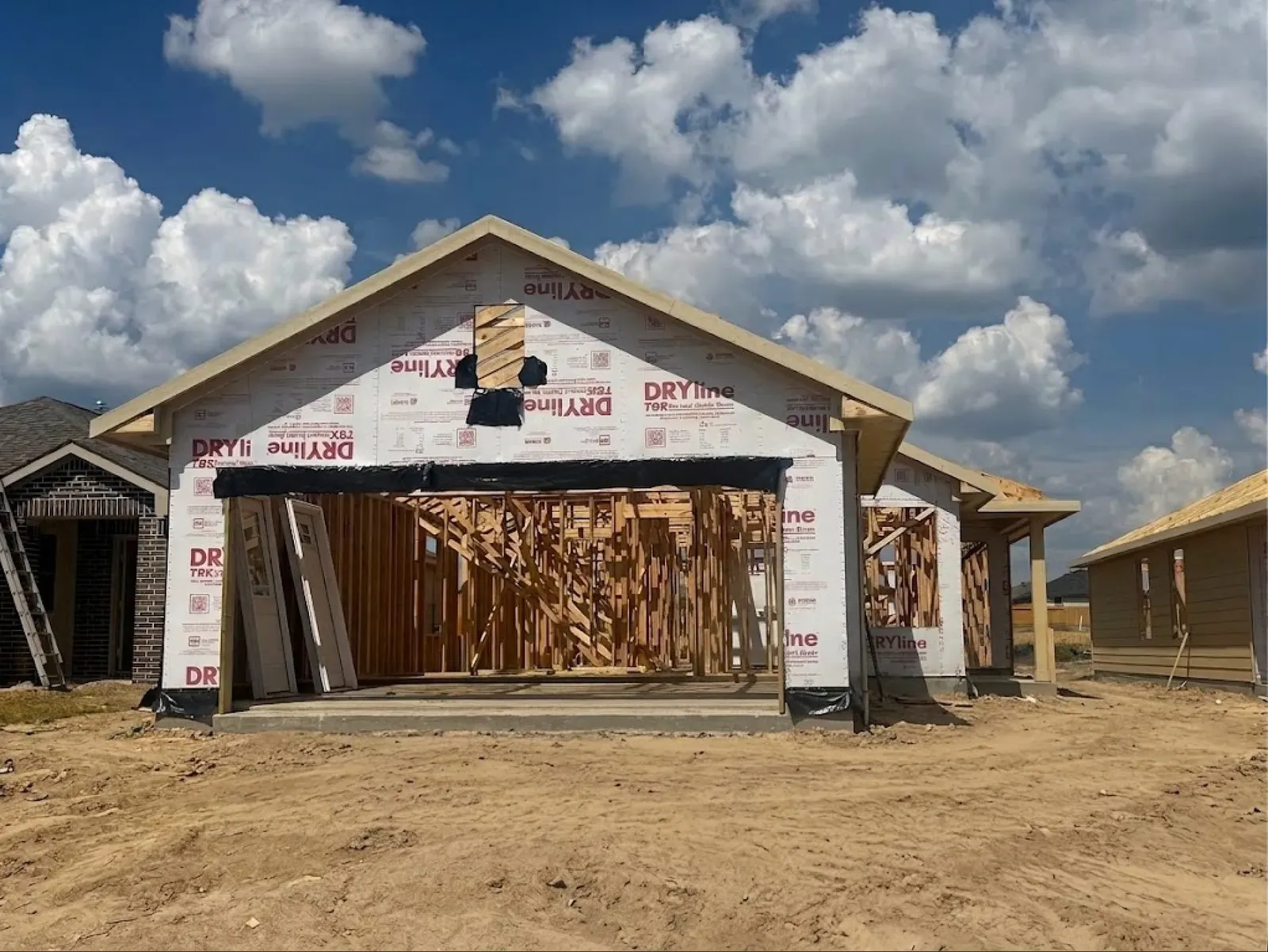
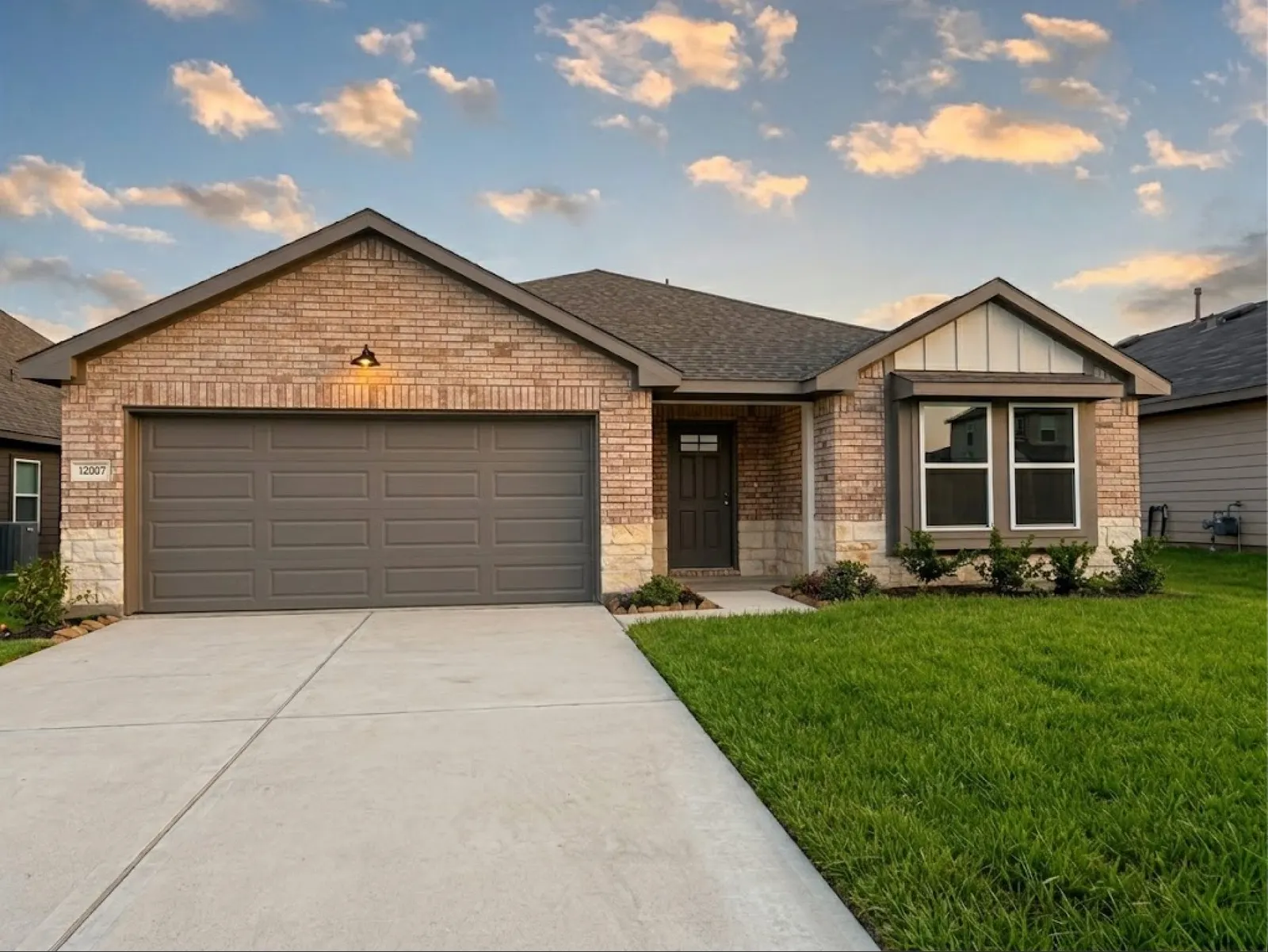
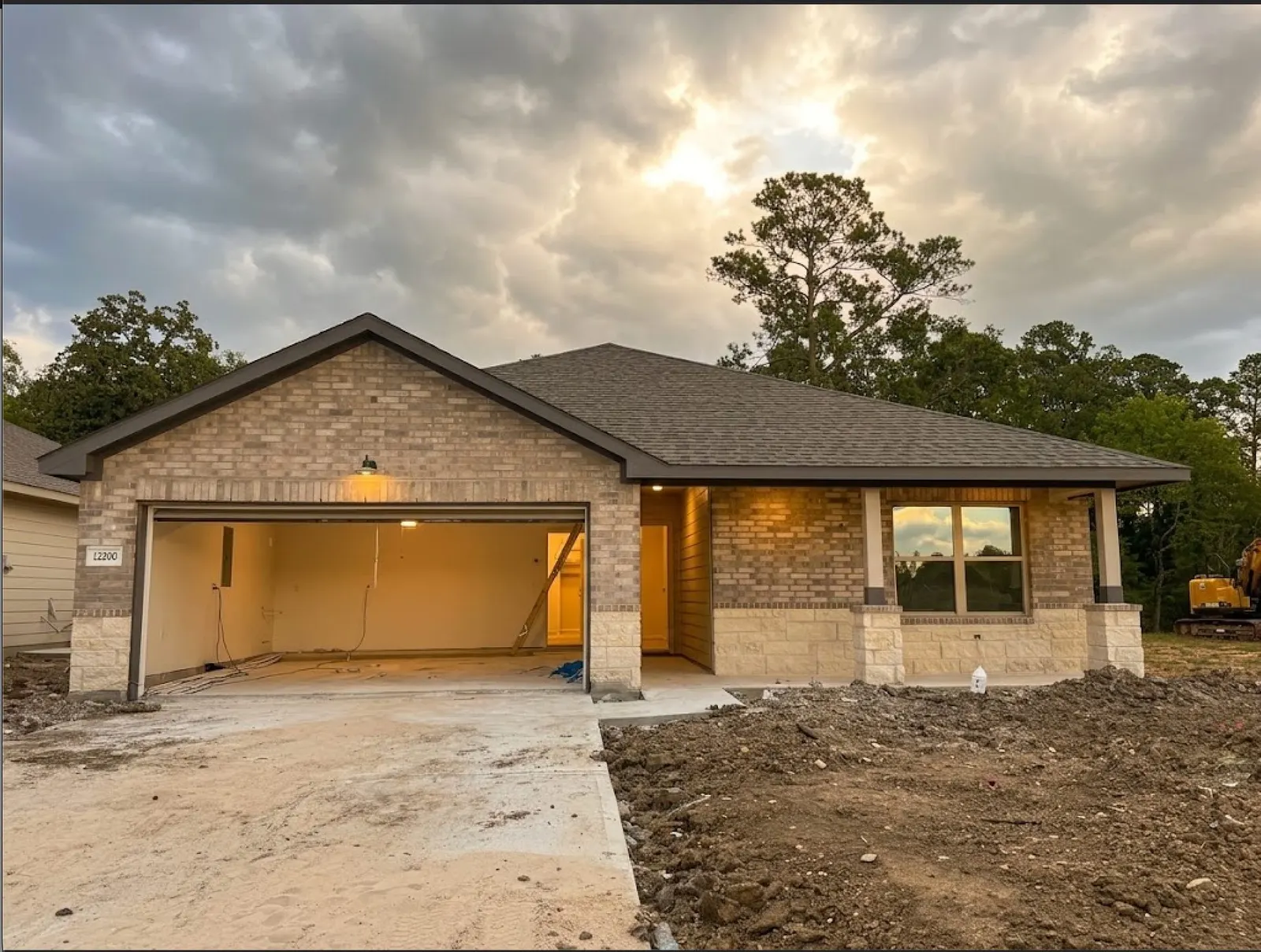
An exterior from our home gallery. Use the details of the home you choose when requesting insurance quotes.
A home can fit your mortgage budget and still leave you with an insurance bill or deductible you did not expect. Compare coverage while you compare homes, using the exact address and a deductible you could afford to pay after a loss.
Start with one essential distinction: standard homeowners insurance does not cover flood damage. Flood insurance provides separate protection, and a home outside a designated high-risk flood area can still flood. The Texas Department of Insurance explains homeowners and flood coverage.
Get quotes for the home you plan to buy
Our available-home listings are a starting point for the address, living area, photos, and home details. Request separate quotes for each finalist, whether it is in Lexington Heights in Willis or Lake Conroe Village in Montgomery.
Give each insurer the same information: the full address, construction year, living area, expected closing date, and requested coverage. Ask our Home Advisor for home information the insurer needs, such as construction or roof details. Use documents rather than estimating those specifications from a photograph.
New construction can help with insurance costs. TDI says a home built or renovated within the last five years might qualify for a lower rate, and a newer roof may earn a roof-age discount. Ask which new-home and roof discounts apply and what documentation the insurer requires.
Compare what the policy would pay
The purchase price includes more than the cost to rebuild the house. Have the insurer explain its dwelling-coverage estimate and how it would settle a claim. Replacement-cost coverage and actual-cash-value coverage differ: actual cash value subtracts depreciation for age and wear.
Use the same questions for each quote:
| Compare | Ask the agent |
|---|---|
| Annual premium | What is the total cost, including any separate flood policy? |
| Dwelling and roof coverage | How are repair or replacement costs calculated, and what limits apply? |
| Deductibles | What would I pay in dollars for wind, hail, and other covered losses? |
| Belongings | Are contents covered at replacement cost or actual cash value? |
| Temporary housing | What living expenses are covered if a covered loss makes the home unlivable? |
| Exclusions and policy add-ons | What is excluded, and what optional protection changes that? |
TDI’s home-insurance shopping guide defines common terms and links to a comparison worksheet and HelpInsure, where you can compare policies and sample rates. Obtain actual quotes for your address before choosing.
Turn a percentage deductible into dollars
A percentage deductible can be much larger than it first appears. Ask what coverage amount the percentage applies to and when that deductible is used.
For a hypothetical policy with $300,000 in dwelling coverage, a deductible calculated at 2% of that amount is $6,000. At 1%, it would be $3,000. These invented figures illustrate the calculation, not an insurance quote or a recommended coverage amount.
Compare the premium savings against the additional cash you would need during a claim. Keep that emergency cushion separate from your down payment and closing funds.
Check flood coverage and its start date
Search the property in FEMA’s Flood Map Service Center, then discuss the result with your lender and insurance agent. If a new street does not appear correctly, FEMA’s map specialists can help at 1-877-336-2627. Confirm the parcel location rather than substituting a nearby home’s result.
National Flood Insurance Program policies normally have a 30-day waiting period. One exception has no wait when coverage is purchased while making, increasing, extending, or renewing a mortgage. FEMA lists the waiting-period exceptions; ask your lender and agent which applies to your purchase. Private flood policies can have different terms.
Have the agent confirm the policy’s effective date and the lender’s requirements before closing. A quote alone is not confirmation that coverage has begun.
Put the actual quote into your monthly budget
Our advertised payment estimates use insurance assumptions and exclude flood insurance. Your premium may be higher or lower. Replace any allowance with the property’s actual quote, and ask the lender which premiums will be collected at closing and through escrow.
Use our monthly home-payment worksheet to put the insurance amount beside the mortgage, taxes, and other housing expenses. Ready to compare a home? Contact our Home Advisor for its details, then bring the quotes to your lender before finalizing your budget.
This is general information, not insurance advice. We are a home builder, not an insurance agency. A licensed Texas insurance agent can explain coverage and cost for your property.