New Construction Property Taxes and Homestead Exemptions in Montgomery County, TX
Homebuyer Tips Oct 29, 2026 · 5 min read
Alta Homes Team
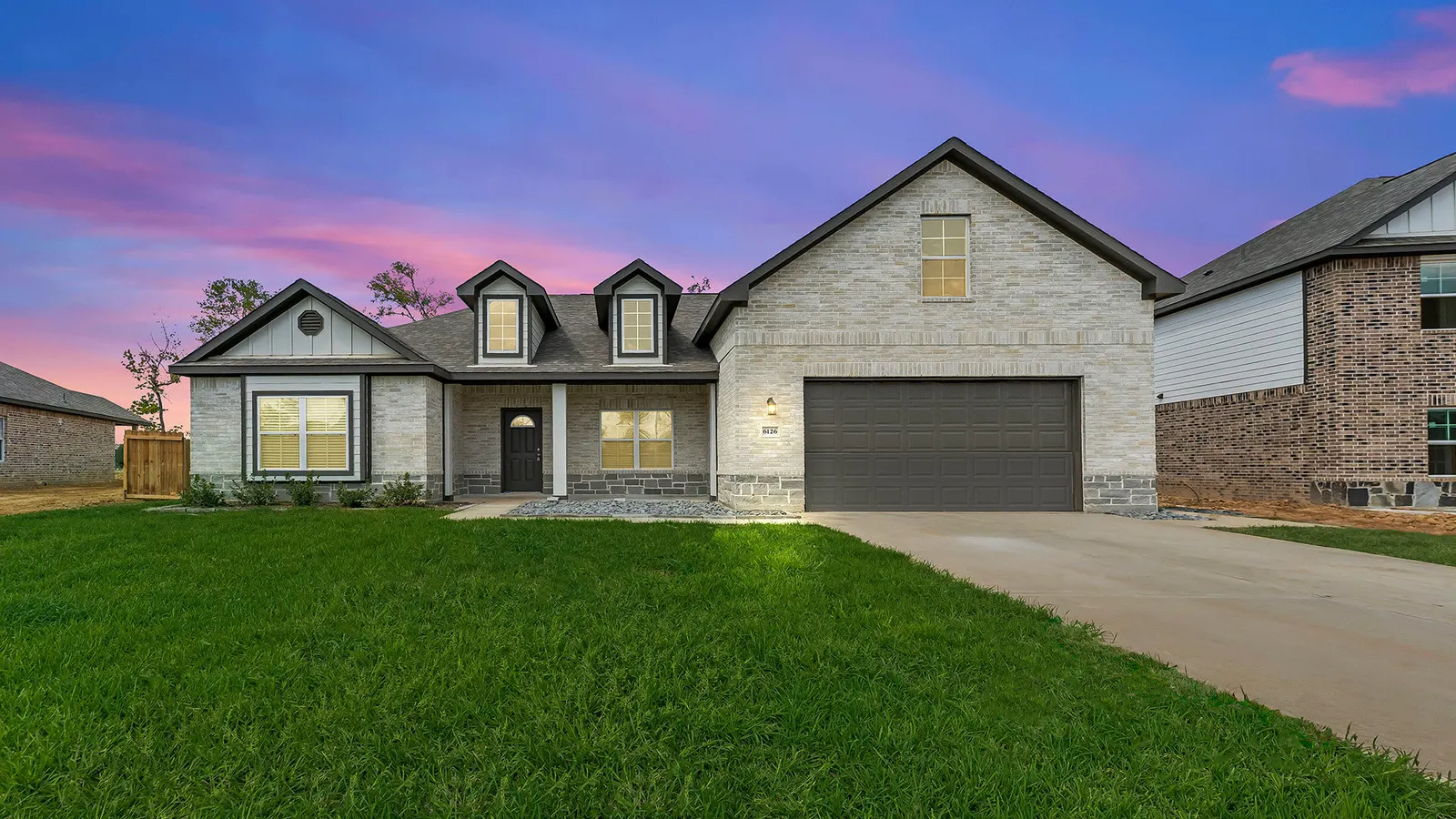
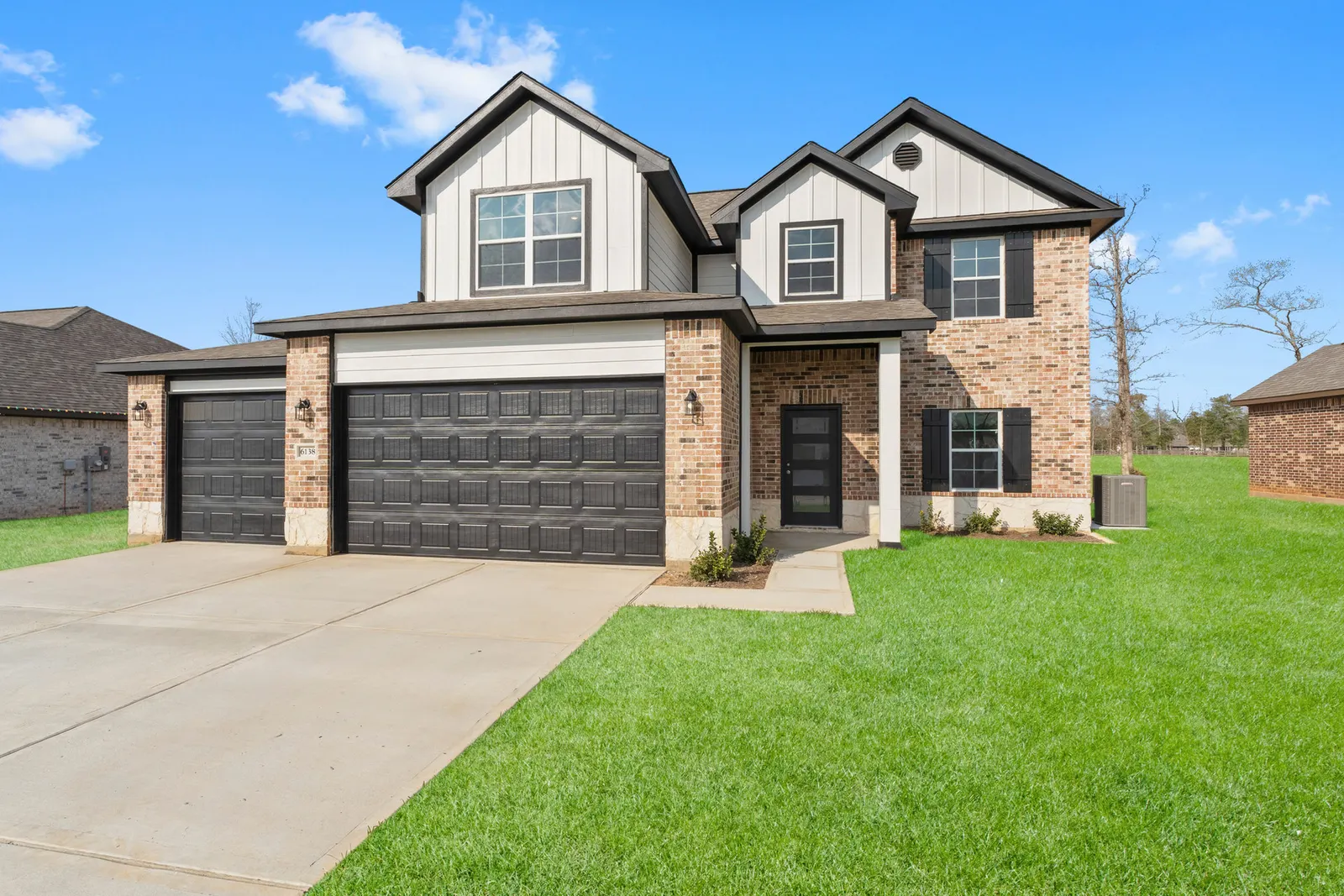
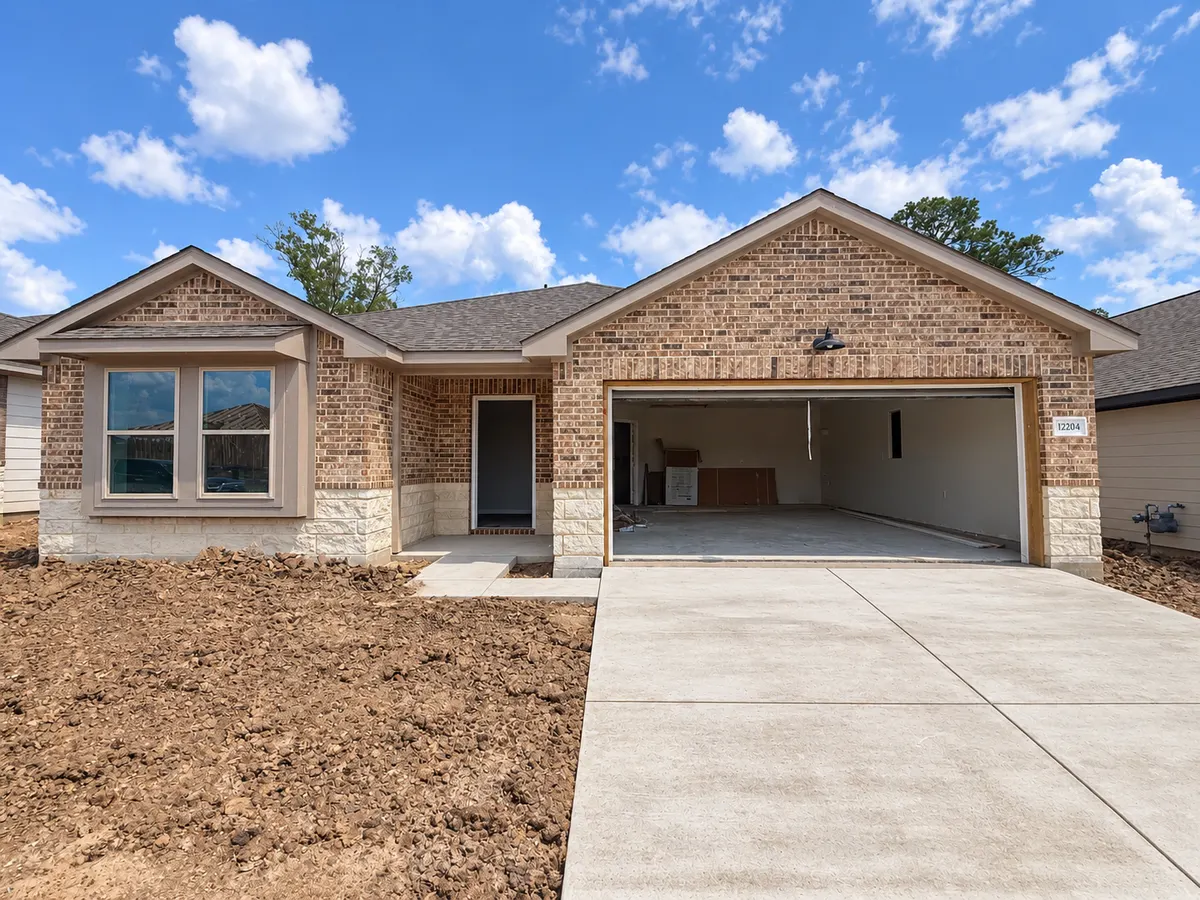
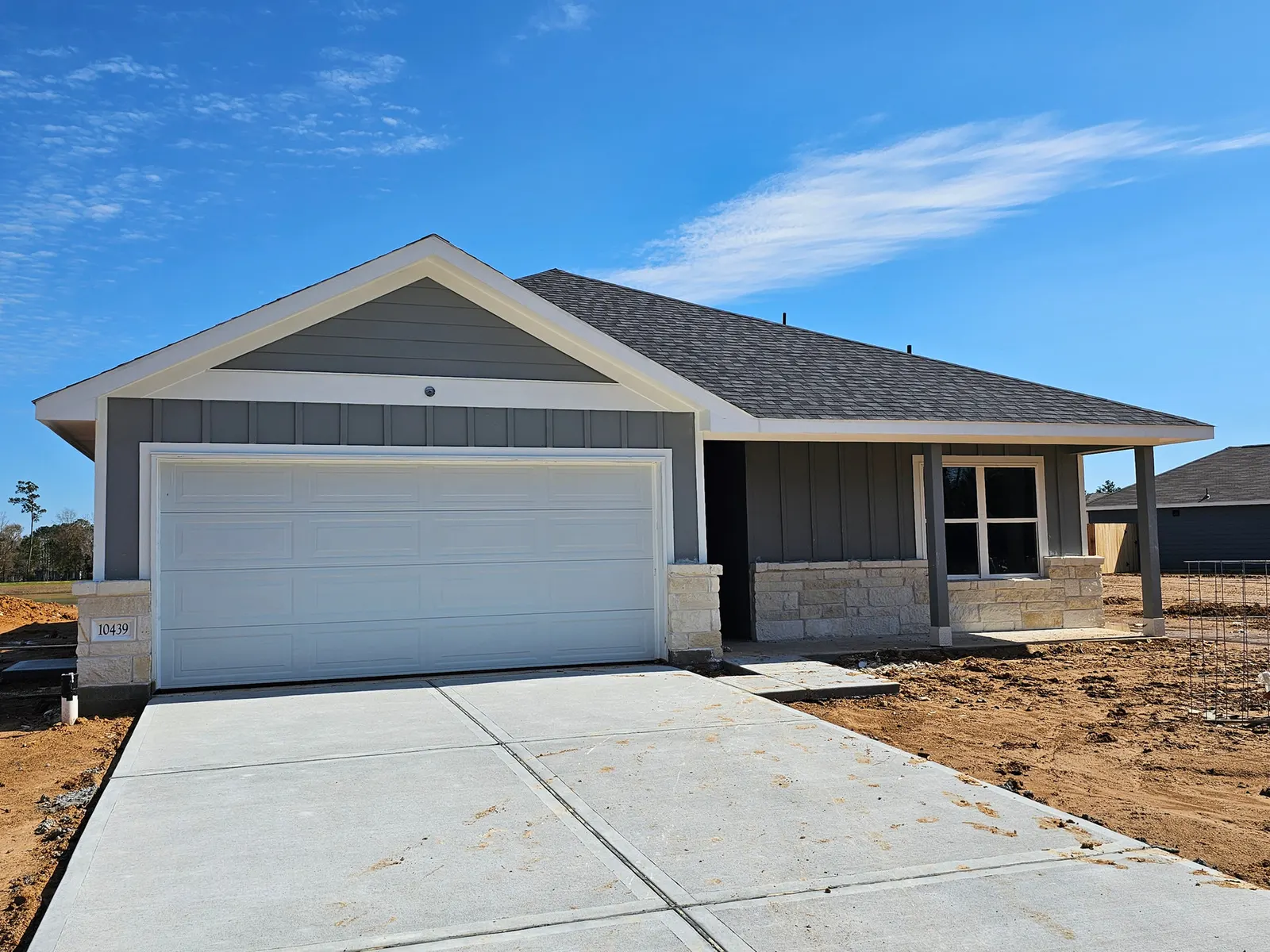
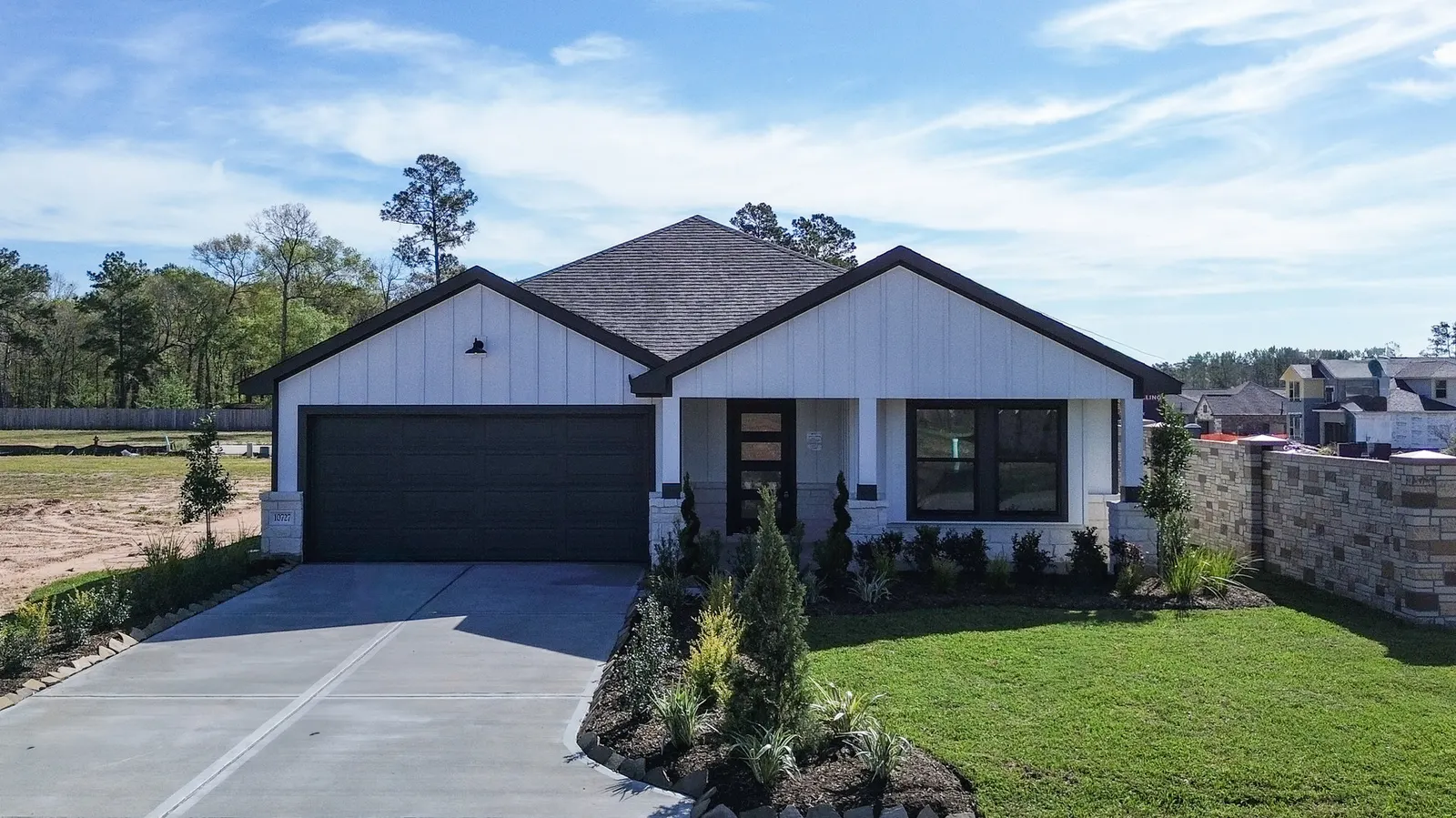
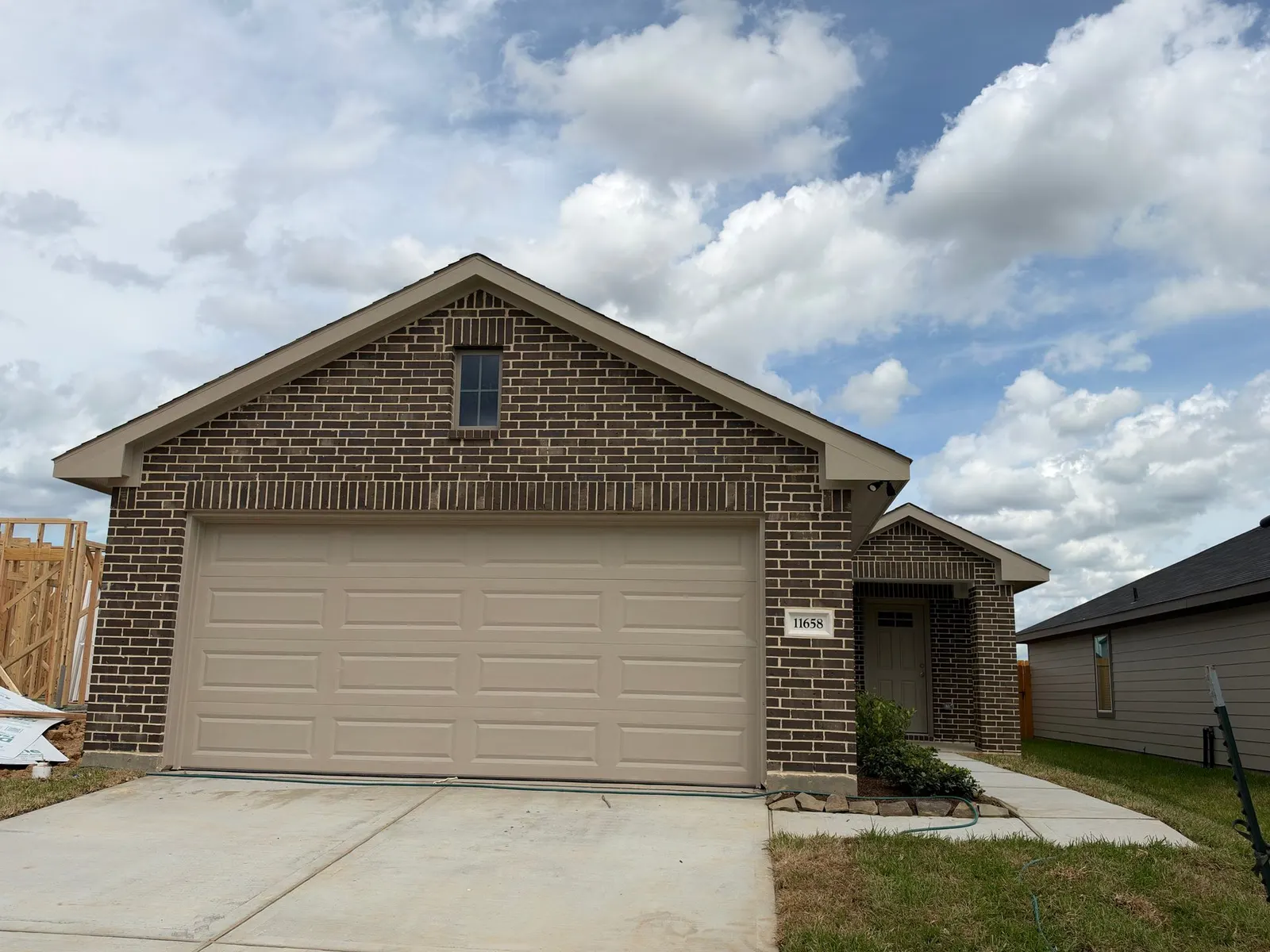
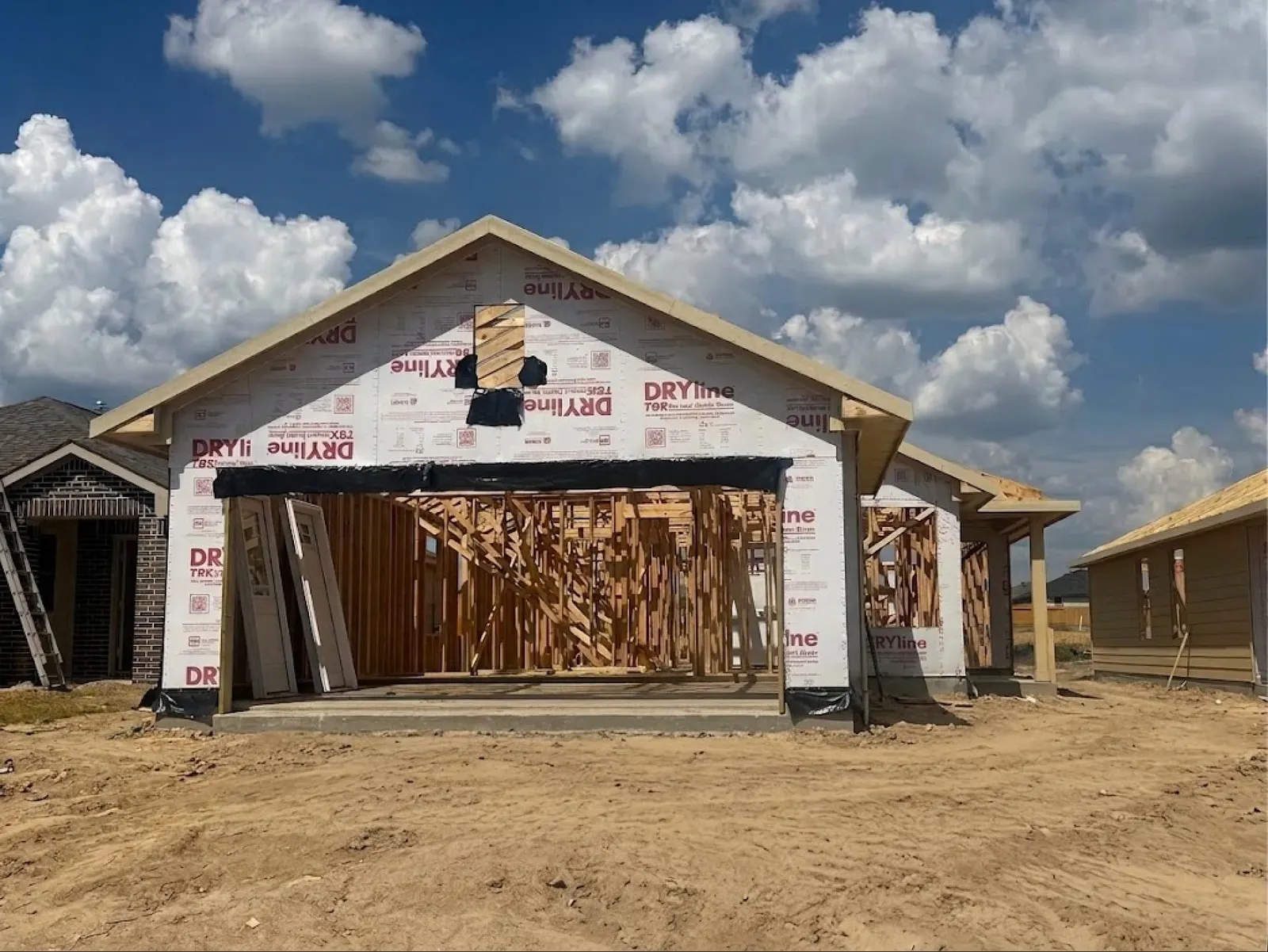
Plan your ongoing budget around the completed home. Photo from our home gallery.
Budget for property taxes on the finished home, even if the last bill covered only a vacant lot or partial construction. Then check for exemptions and any separate special assessments. Those steps give you a more useful ownership budget than copying the seller’s last tax bill.
When we help you compare homes in Conroe, Willis, and Montgomery, the address matters. Texas appraisal districts determine values, and local taxing units, such as the county and school district, set their own rates. The Texas Comptroller explains how this local system works.
Start with the completed-home value
Texas generally appraises property as of January 1. If construction was incomplete then, that year’s value can differ substantially from the completed property you purchase. The Comptroller’s valuation guide explains the appraisal date and new improvements.
Ask your lender to estimate taxes using the completed home and identify the value, tax year, and exemptions used. Keep the prior bill for reference, but compare it with that estimate before deciding what monthly payment is comfortable.
Each taxing unit’s taxable value is multiplied by its rate. For example, an invented $200,000 taxable value at $0.50 per $100 produces $1,000 a year for that one unit. A full bill adds the applicable units, and their exemptions can differ.
Our pages for Lexington Heights, Crockett Meadows, and Lake Conroe Village list property-tax information and school districts. Use them as a starting point, then verify the adopted rates for the exact parcel and tax year with the local tax records.
Check for a separate PID assessment
A public improvement district, or PID, can fund improvements such as streets and drainage through special assessments on property within the district. A PID installment is separate from the property-tax rate used to calculate taxes on value. Texas law describes how these assessments work.
This is relevant locally: Montgomery County publishes Crockett Meadows PID documents, including a service and assessment plan and buyer disclosures.
Before signing, ask for the property’s PID notice and have the closing team explain any outstanding assessment, annual installment, and treatment at closing. Confirm whether an amount will be paid off, remain payable, or be collected through escrow. Include whatever applies to your purchase in the budget; a posted tax percentage alone does not answer those questions.
What the 2026 homestead exemption changes
For the 2026 tax year, Texas’s general school-district residence homestead exemption is $140,000. To qualify, an individual generally must own an interest in the property and use it as a principal residence, without claiming another residence homestead exemption. The appraisal district determines eligibility. See the Comptroller’s exemption guidance.
For illustration, a $280,000 appraised home with the full $140,000 general school exemption would have $140,000 taxable value for that school tax, before other applicable adjustments. The exemption removes taxable value; it is not a $140,000 payment or a reduction in every taxing unit’s value.
Qualifying owners age 65 or older or with a disability may also receive an additional $60,000 school exemption and a school-tax ceiling. Ask the appraisal district which benefits apply to your situation.
Apply after you qualify, including after a midyear purchase
You may qualify for the general exemption for part of the purchase year if you acquire and occupy the home after January 1 and the previous owner did not receive the same exemption for that tax year. For that acquisition-year partial exemption, apply before the first anniversary of acquiring the property. The general deadline for exemptions based on January 1 qualifications is before May 1. These are distinct rules in Tax Code sections 11.42 and 11.43.
Apply directly through Montgomery Central Appraisal District once you own and occupy the home as your principal residence. Generally, provide a copy of your Texas driver’s license or state ID showing the same address; the law allows exceptions. Filing is free, so you do not need to pay a solicitation company to submit the application. Keep the confirmation with your closing records.
The 10% appraisal cap has a separate start date
The homestead appraisal limit generally allows up to a 10% annual increase over the prior appraised value, plus new improvements, subject to market value. It limits appraised value, not the total tax bill.
Timing matters for a new purchase. Under Tax Code 23.23(c) and (c-1), a buyer receiving a prorated general homestead exemption after a midyear 2026 purchase is treated as first qualifying in 2027 for cap purposes. The cap therefore generally begins January 1, 2028, if eligibility continues. It does not preserve an old lot-only value for a newly finished house.
Leave room for an escrow adjustment
If an escrow account collects too little because taxes were estimated from an earlier value, a later analysis can increase the monthly collection and identify a shortage. The CFPB explains why mortgage payments change.
A hypothetical $1,200 annual tax increase means $100 more per month for the new tax expense, before any shortage repayment or other escrow adjustment. Ask your lender to show a completed-home estimate both with and without an expected exemption so your budget has room while an application is processed.
Bring the address of an available Alta home to our Home Advisor for property details, then use the tax and assessment figures in our monthly home-payment worksheet.
General information for the 2026 tax year, not individual tax, legal, or lending advice. Confirm your property’s exemptions with MCAD, escrow with your lender, and personal tax questions with a qualified tax professional.