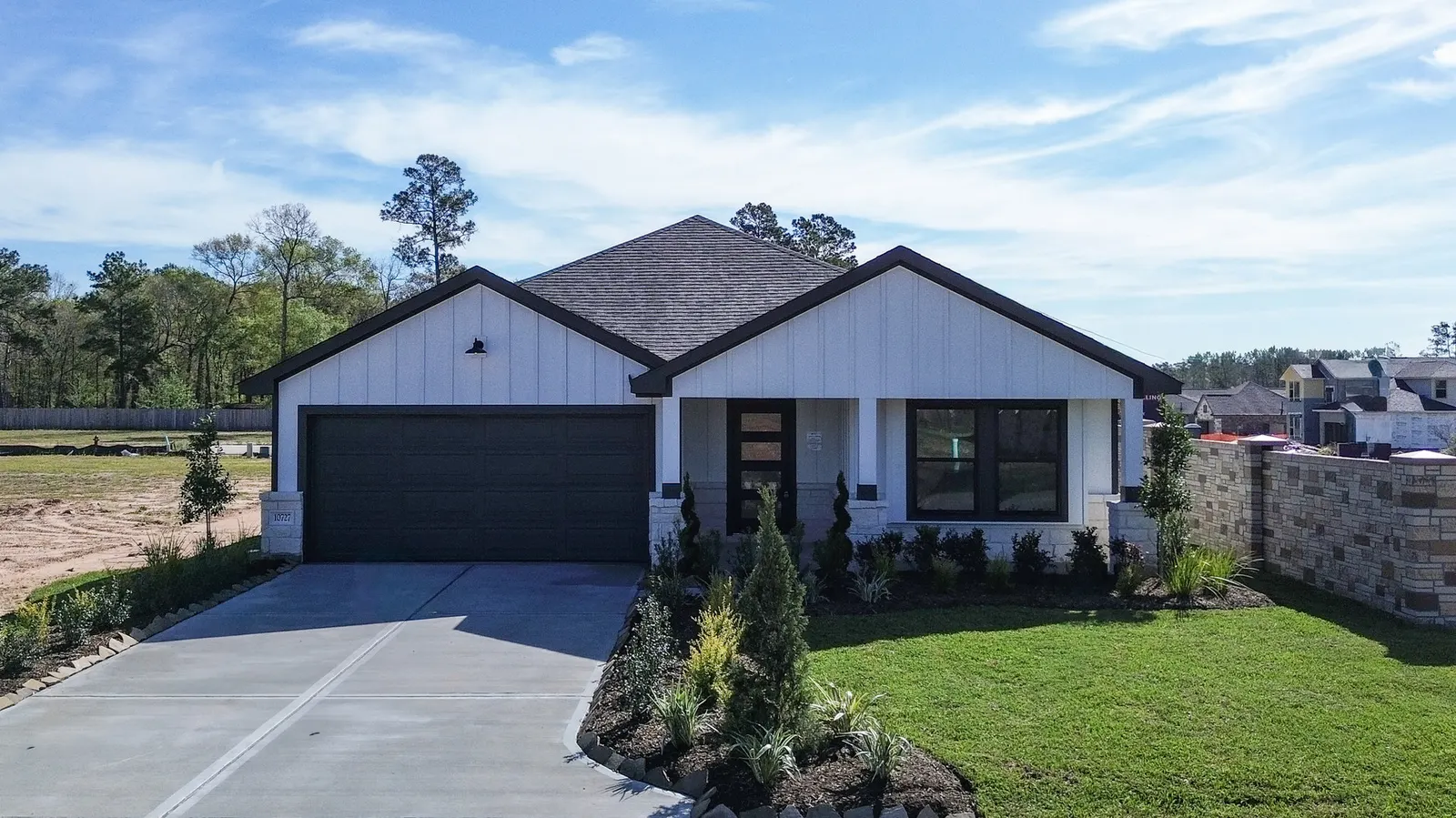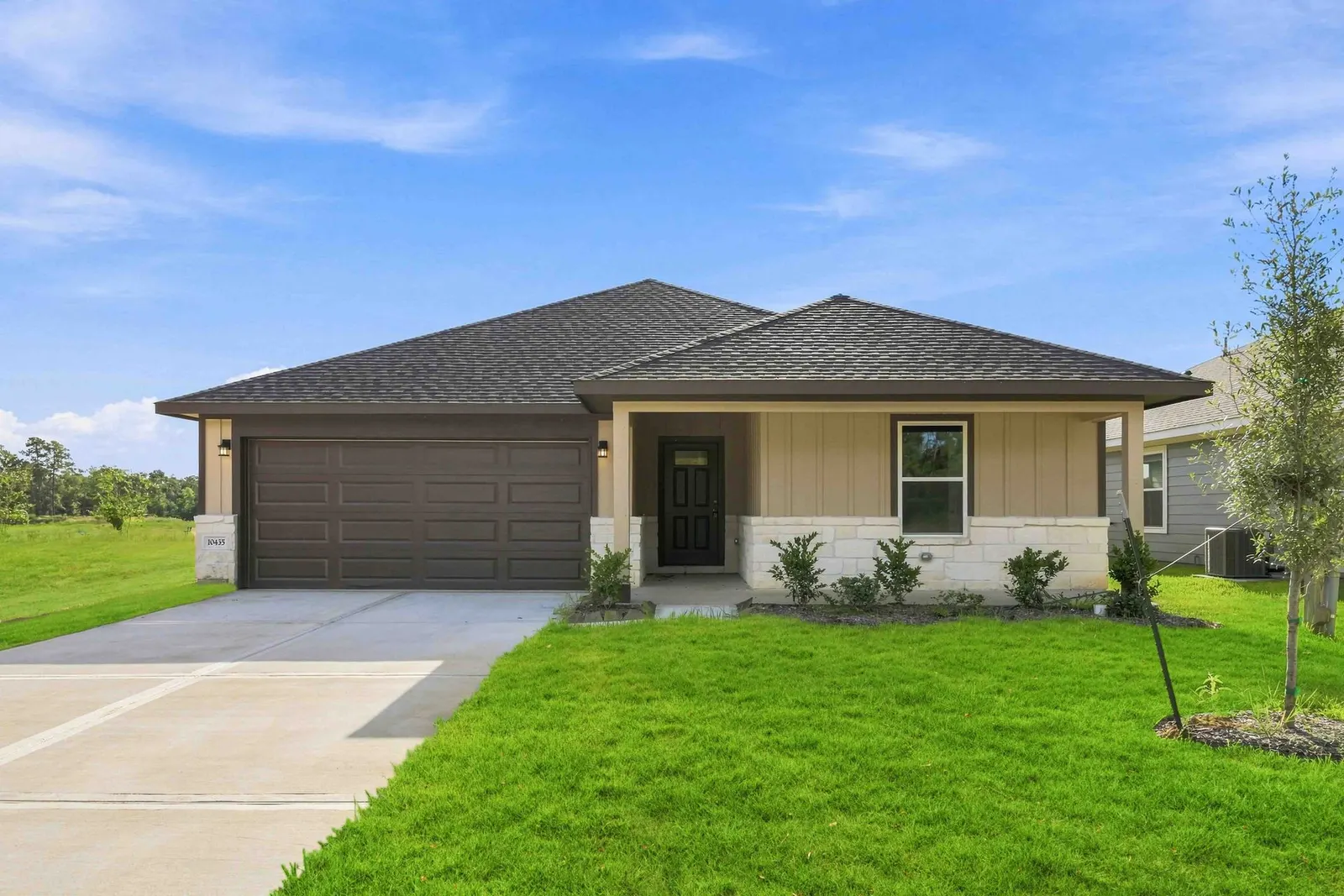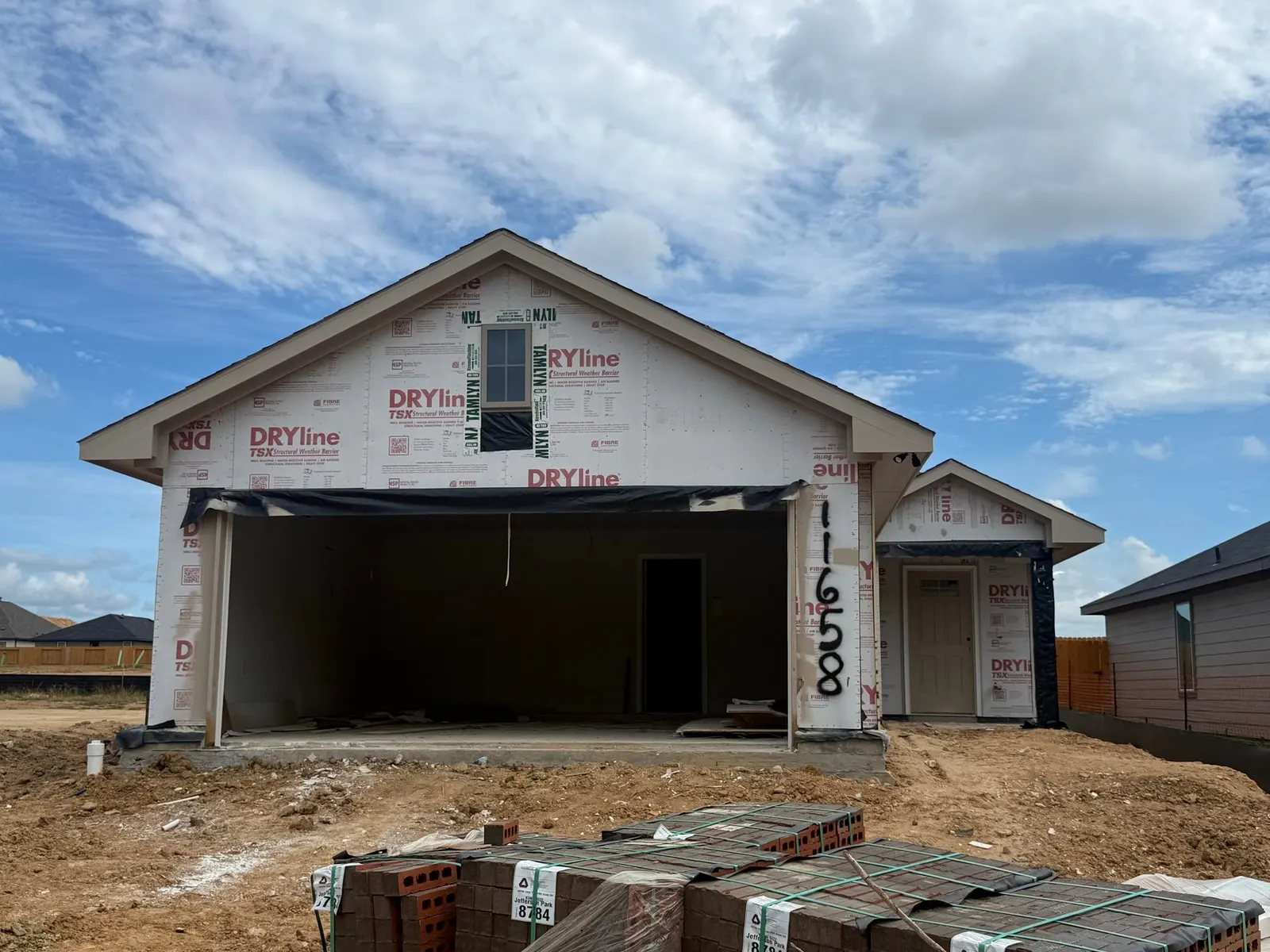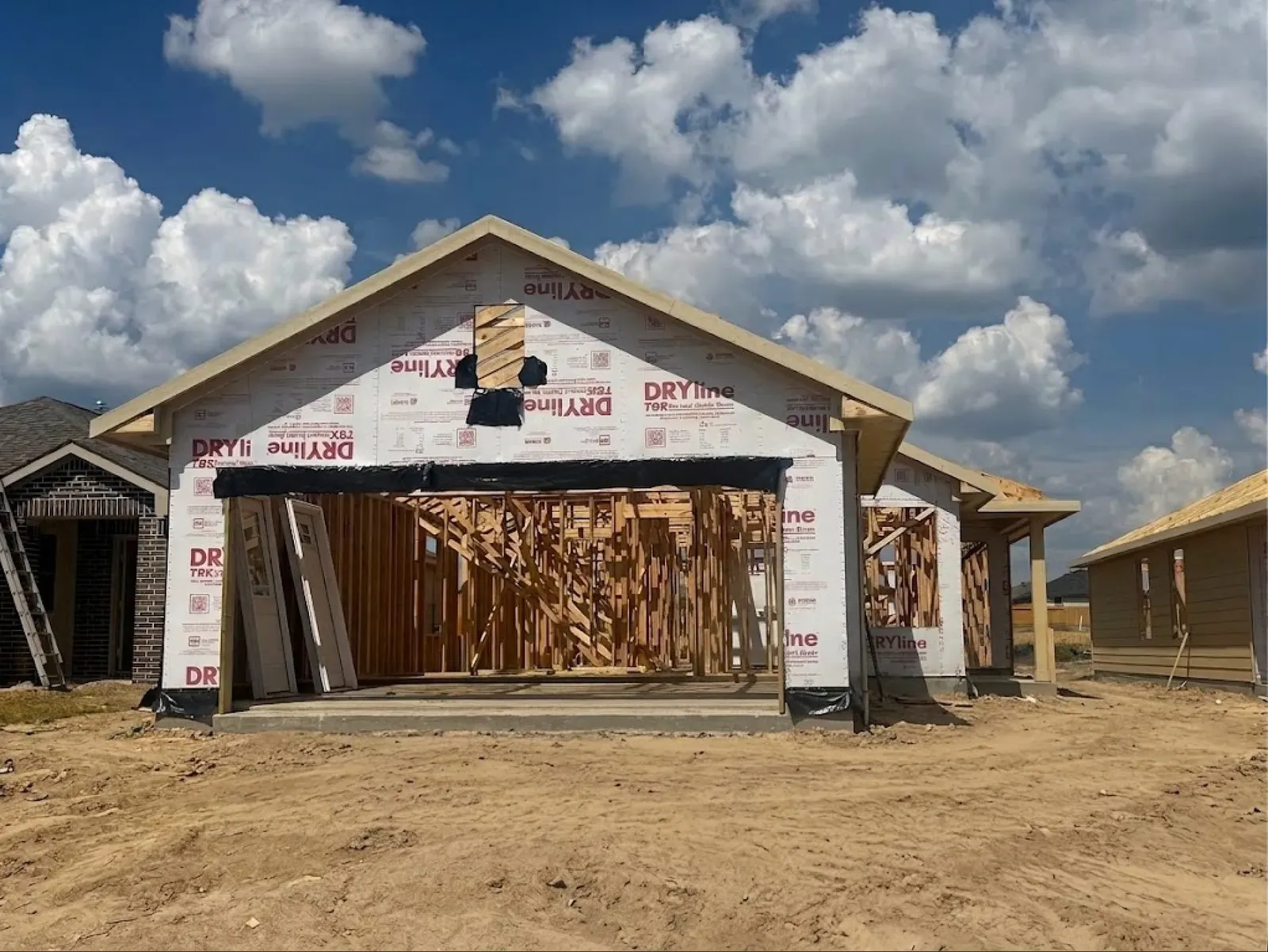
The Hidden Cost of Renting in Montgomery County: Why More Renters Are Choosing Homeownership
- 1 day ago
- 7 min read

As President of Alta Homes, I've spent years helping families across multiple markets transition from renting to homeownership. One thing I've noticed is that many prospective buyers underestimate the true cost of renting, not because rent is expensive today, but because of what renters miss out on over time.
The goal of this article is not to convince everyone to buy a home. Rather, it is to help renters understand the long-term financial implications of their housing decisions and provide information that can help them make the best decision for their family.
For many young professionals, newly married couples, and growing families in Montgomery County, the decision between renting and owning has become increasingly important. For years, renting has been the default housing choice for many families. It offers flexibility, convenience, and the perception of lower responsibility. However, as rental costs continue to rise and homeownership opportunities become more accessible, many renters are beginning to ask an important question:
"Am I building my future or someone else's?"
Many families are weighing the option of rent vs. buy in Montgomery County. The reality is that while renting may feel comfortable in the short term, it often comes with hidden long-term costs that many renters never fully consider.
The True Cost of Renting
Today, renters throughout Montgomery County commonly pay between $1,500 and $2,500 per month for apartments and rental homes, depending on location, size, and amenities. Current county rental data shows median rents approaching $1,950 per month.
At $1,950 monthly rent, a renter spends approximately:
$23,400 per year
$117,000 over 5 years
$234,000 over 10 years
The challenge is that after spending nearly a quarter of a million dollars on housing over a decade, renters typically own nothing as a result of those payments. The money is gone, and no equity has been created.
The $234,000 figure represents a best-case scenario for a renter because it assumes rent never increases over the next ten years. Most Montgomery County renters know from experience that housing costs rarely remain unchanged for that long. Historically, rents have tended to rise over time due to inflation, population growth, increasing property taxes, insurance costs, and ongoing housing demand. As a result, many renters will likely spend substantially more than $234,000 on housing over the next decade, yet end the period with no ownership interest in the property.
In addition to monthly rent, renters often face:
Annual rent increases
Security deposits
Pet deposits and fees
Application fees
Parking fees
Storage fees
Moving expenses
Utility setup costs
While these expenses may seem manageable individually, they add up significantly over time.
Homeownership Creates Wealth While Providing Housing
When you own a home, your monthly payment serves a different purpose. Instead of paying solely for shelter, you are making an investment in an asset that has historically appreciated over time.
According to the Federal Housing Finance Agency (FHFA), Montgomery County home values increased approximately 83.9% between 2015 and 2025, representing an average annual appreciation rate of approximately 6.3% per year.
Source: Federal Housing Finance Agency House Price Index (FHFA), Montgomery County, Texas, Q1 2015–Q1 2025
To put that into perspective:
A home valued at $250,000 ten years ago would be worth approximately $460,000 today if it had appreciated at a rate consistent with Montgomery County's historical averages.
While no investment can guarantee future performance, the historical data demonstrates the wealth-building potential of homeownership. During that same period, renters continued to make monthly housing payments but did not benefit from the appreciation of residential real estate.
This is one of the most overlooked costs of renting: the missed opportunity to build equity and benefit from long-term appreciation.
Housing Costs Have Increased for Everyone, But Only Homeowners Participated in the Growth
Some renters assume that renting protects them from rising housing costs. The reality is that housing costs have increased for both renters and homeowners over the last decade.
According to the Federal Housing Finance Agency (FHFA), Montgomery County home values increased approximately 83.9% between 2015 and 2025. During that same period, rental housing costs throughout the Houston-The Woodlands-Sugar Land metropolitan area also increased substantially.
The U.S. Department of Housing and Urban Development (HUD) tracks annual Fair Market Rent (FMR) data for the Houston-The Woodlands-Sugar Land metropolitan area, which includes Montgomery County. HUD Fair Market Rent data for the Houston-The Woodlands-Sugar Land metropolitan area demonstrates that rental housing costs have steadily increased over time, reinforcing a reality many renters already know firsthand: housing costs continue to rise regardless of whether you rent or own.
The important distinction is not whether housing costs increased; it is who benefited from those increases.
Homeowners who purchased a home during this period generally benefited from two powerful wealth-building mechanisms: mortgage principal reduction and property appreciation. As home values increased, many homeowners saw their net worth grow while building equity with every mortgage payment.
Renters also experienced increasing housing costs over time. However, those additional housing dollars did not create ownership, equity, or a financial asset that could appreciate in value.
In simple terms, both homeowners and renters have paid more for housing over the last decade. The difference is that homeowners had the opportunity to build wealth while renters simply paid more to remain housed.
Homeowners who have accumulated equity through years of appreciation often have access to a valuable financial asset that can help provide flexibility during challenging economic conditions. Renters, despite making years of housing payments, generally do not have the same housing-related wealth available to leverage.
For many Montgomery County residents, the question is no longer whether housing costs will increase over time. History suggests they will. The more important question is whether those housing payments will help build long-term wealth or remain solely a monthly expense.
Home Equity Can Help During Economic Uncertainty
Homeownership in Montgomery County provides more than an opportunity to build wealth; it can also provide financial resilience.
Historically, homeowners who have accumulated equity through appreciation have often been better positioned to navigate economic downturns, inflationary periods, and recessions.
As a home's value increases over time, homeowners build a financial cushion that can create opportunities and flexibility when needed. Depending on individual circumstances, accrued equity may provide options to:
Consolidate higher-interest debt
Access funds for major life events
Invest in education or business opportunities
Make home improvements that increase value
Help bridge temporary financial challenges
While no financial asset is immune to economic cycles, homeowners who have benefited from years of appreciation often enter difficult economic periods with a valuable asset that can help offset financial pressures.
Renters typically do not have this advantage. After years of making housing payments, they often have little or no housing-related wealth available to leverage when economic challenges arise.
Why More Montgomery County Renters Are Looking at New Construction
One of the biggest misconceptions about homeownership is that buyers need large amounts of cash upfront to get started.
Understanding the financial advantages of ownership is one thing. Making the transition from renting to homeownership is another.
Fortunately, today's buyers have access to programs and incentives that can make ownership more attainable than many renters realize.
For many renters, the biggest obstacle to homeownership isn't the monthly payment. It's the belief that buying requires a large down payment, significant closing costs, and thousands of dollars in additional expenses after move-in.
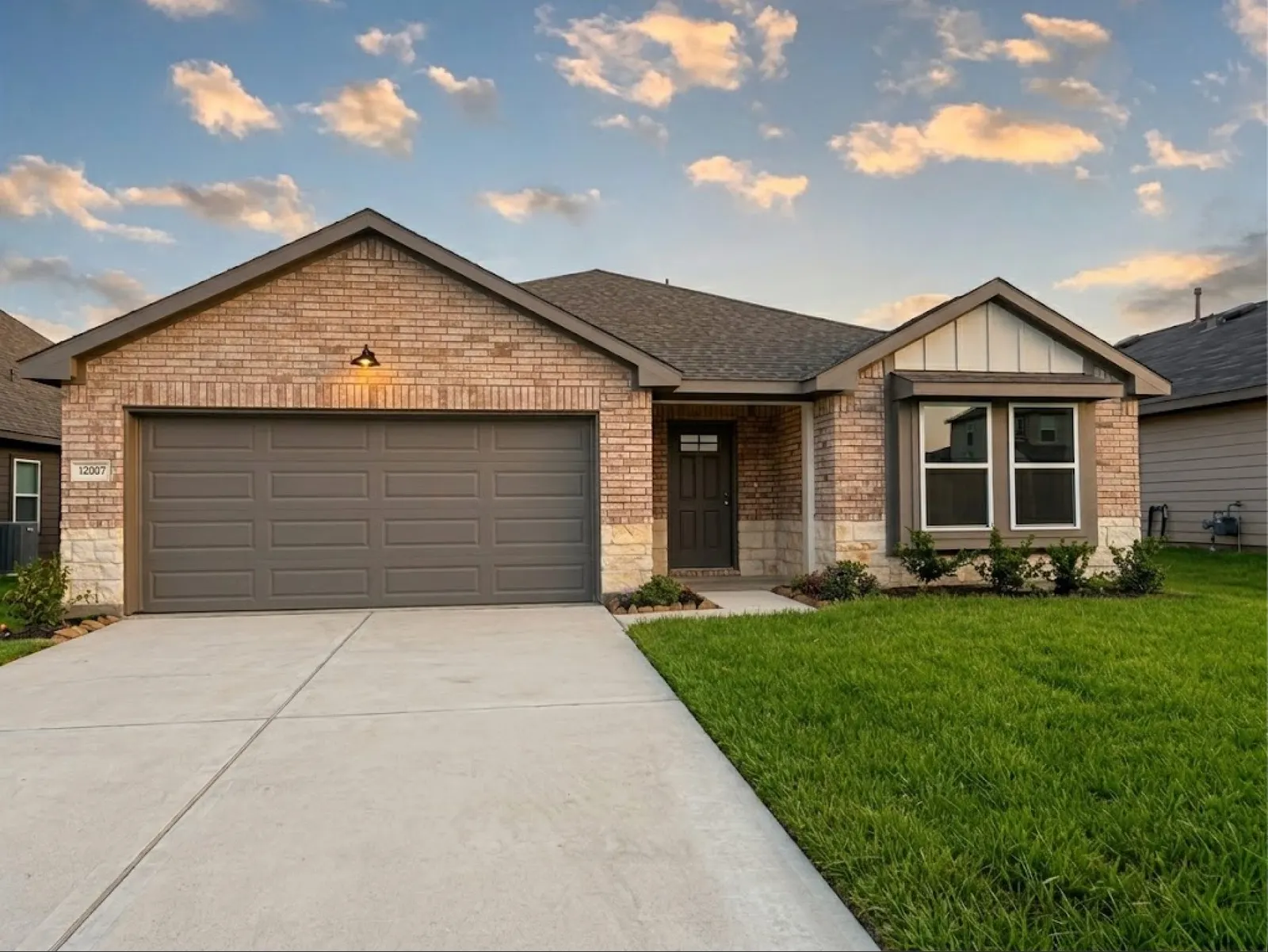
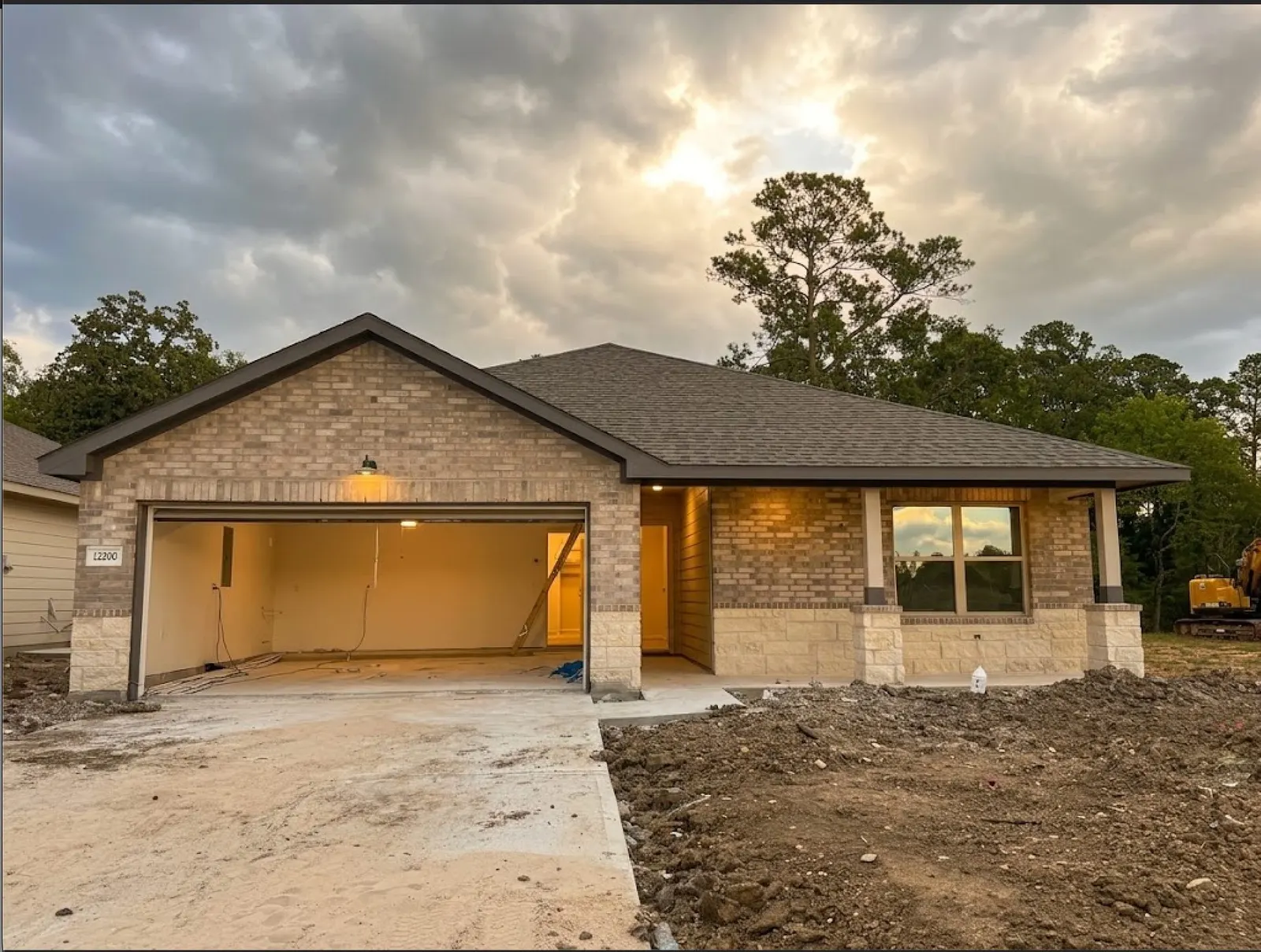
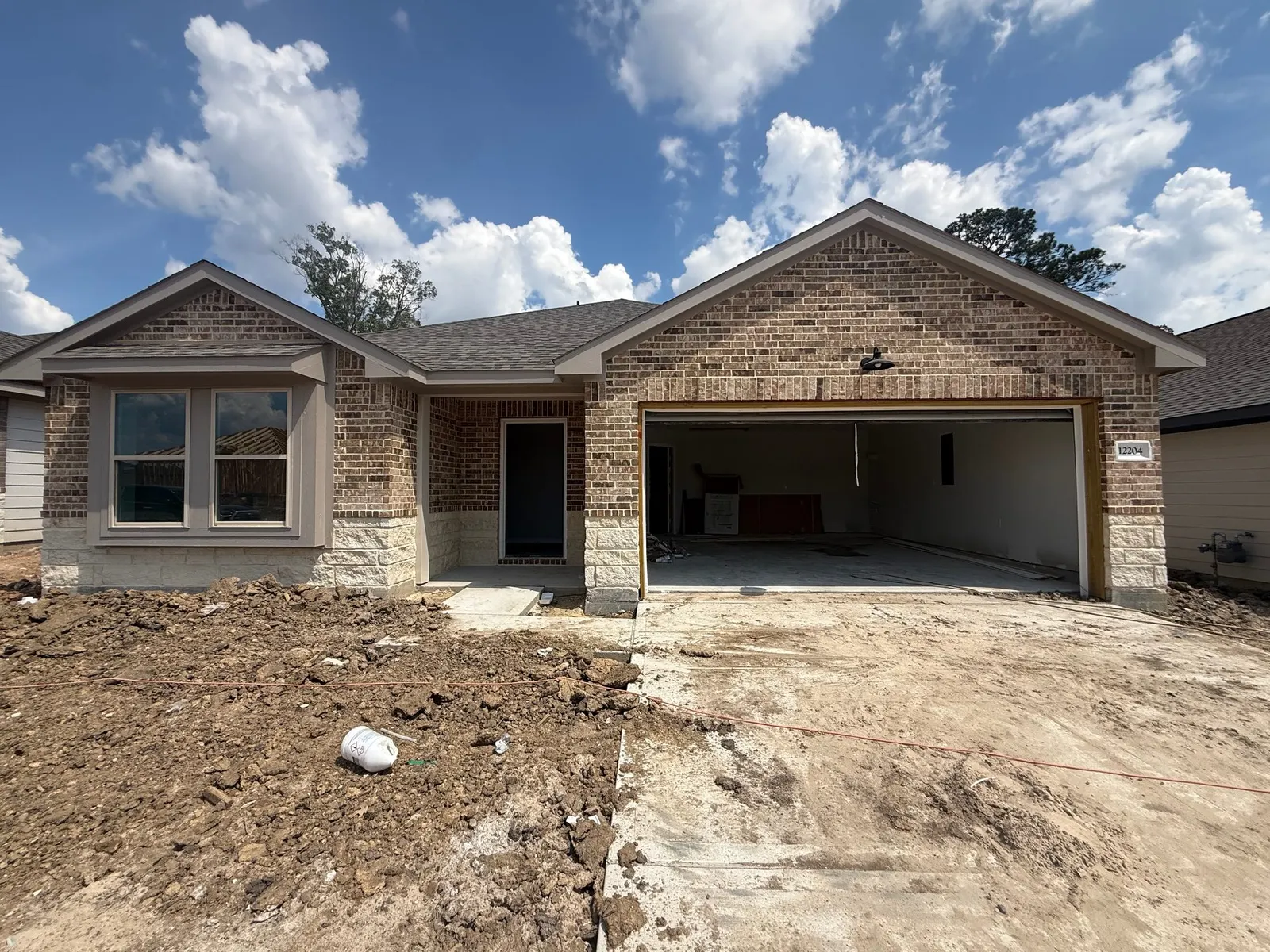
Alta Homes is helping address many of those concerns by offering incentives designed specifically to help renters make the transition to homeownership.
That is why many renters are surprised to learn what is currently available through Alta Homes. Unlike renting, where monthly housing costs may increase with each lease renewal, a fixed-rate mortgage can provide long-term payment stability and predictability.
Alta Homes is helping first-time buyers transition from renting to ownership with:
4.99% Fixed Interest Rate*
A below-market fixed rate can significantly improve affordability while providing predictable monthly payments. Contributions towards Closing Cost
One of the largest barriers for first-time buyers is often the upfront cash required at closing. Alta Homes is currently contributing towards closing costs, helping reduce out-of-pocket expenses.
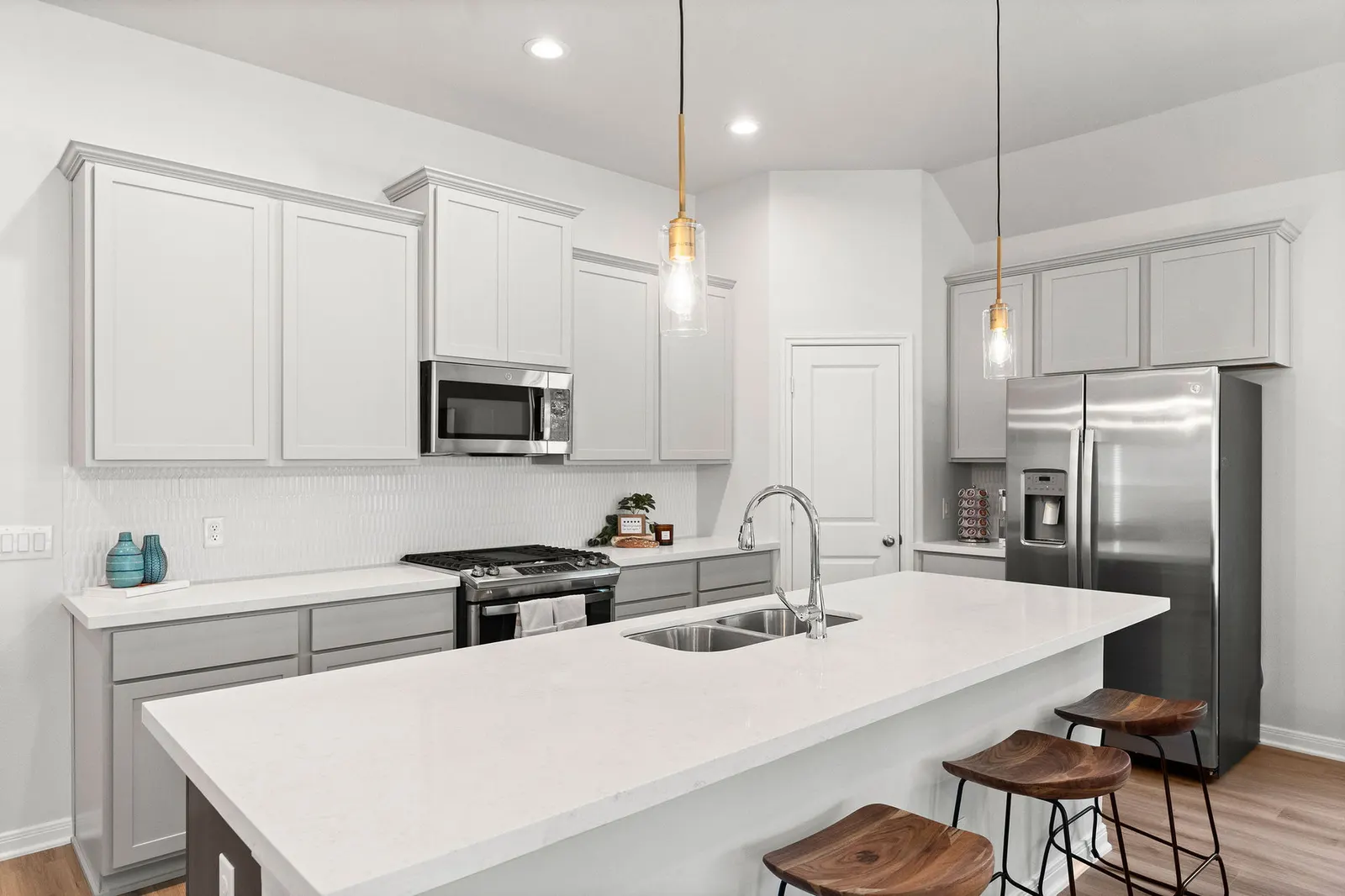
Full Appliance Package Included
Many renters assume they will need to purchase appliances after buying a home. In addition to the standard kitchen appliances, Alta Homes includes:
Refrigerator
Washer
Dryer
Providing immediate move-in readiness.
Window Blinds Included
An expense many first-time buyers overlook.
Garage Door Opener Included
Convenience and functionality are included from day one.
Rear Sod Included
Creating a finished backyard space without additional landscaping expenses.
Personalized Design Selections
Unlike apartments where every unit looks the same, Alta Homes buyers can select design features that fit their personal style and preferences, creating a home that feels uniquely theirs.
Renting Pays for Today. Ownership Builds for Tomorrow.
The biggest difference between renting and owning is not simply where you live.
It is what your housing payment is doing for your future. Renting provides temporary housing. Homeownership provides housing, equity growth, appreciation potential, stability, and an opportunity to build long-term wealth.
When combined with Montgomery County's historical appreciation of nearly 84% over the past decade and the continued rise in housing costs throughout the Houston metropolitan area, the financial advantages of ownership become increasingly difficult to ignore.
History has shown that housing costs tend to rise whether you rent or own. The difference is that homeowners have the opportunity to build equity, participate in appreciation, and create long-term wealth while making those housing payments. Renters often face the same rising housing costs without receiving the long-term financial benefits that ownership can provide.
For many first-time buyers, purchasing a home is not simply about changing where they live. It is about creating a financial foundation that can support future goals, provide stability during economic uncertainty, and build wealth over time.
Throughout my career, I've had the privilege of helping thousands of families purchase their first home. While every family's circumstances are unique, one observation has remained remarkably consistent: very few homeowners tell me they wish they had waited longer to begin building equity. More often, they tell me they wish they had started sooner.
Is It Time to Stop Renting?
If you've spent years renting in Montgomery County, you may already be closer to homeownership than you think. Approximately 50% of our current buyers are renters. Recently, I met with a family that had been renting for over 10 years because they assumed they needed a large down payment.
With Alta Homes' current incentives, including a 4.99% fixed interest rate, covered closing costs, included appliances, blinds, garage door opener, rear sod, and personalized design selections, the path from renter to homeowner may be more attainable than ever.
Every rent payment helps build wealth for a landlord.
Every mortgage payment has the potential to help build wealth for you.
The question isn't whether you'll make a housing payment next month.
The question is whether that payment will help build your future.
Housing will likely be one of the largest financial commitments you make in your lifetime. The question is not whether you'll spend money on housing. The question is whether those dollars will help build your future, or someone else's.
Scott Gilbert, President, Alta Homes
Consumer Perspective
What is the primary reason you continue renting instead of pursuing homeownership?
Flexibility
Down payment concerns
Credit concerns
Monthly payment concerns
Unsure if I'm ready
Other
Industry Perspective
What is the biggest challenge facing long-term renters today?
Rising rents
Affordability concerns
Lack of inventory
Credit challenges
Limited financial education
Other
What topic would you like to see discussed in future articles?


Comments