Covered Patios in Texas: What to Consider
Homebuyer Tips Mar 25, 2025 · 2 min read 2026-09-08
A covered patio can make room for an outdoor table, a pair of chairs, or a few plants. Whether it belongs on your home wish list depends on how you use the yard, the direction it faces, and the space available.
Start with shade and orientation
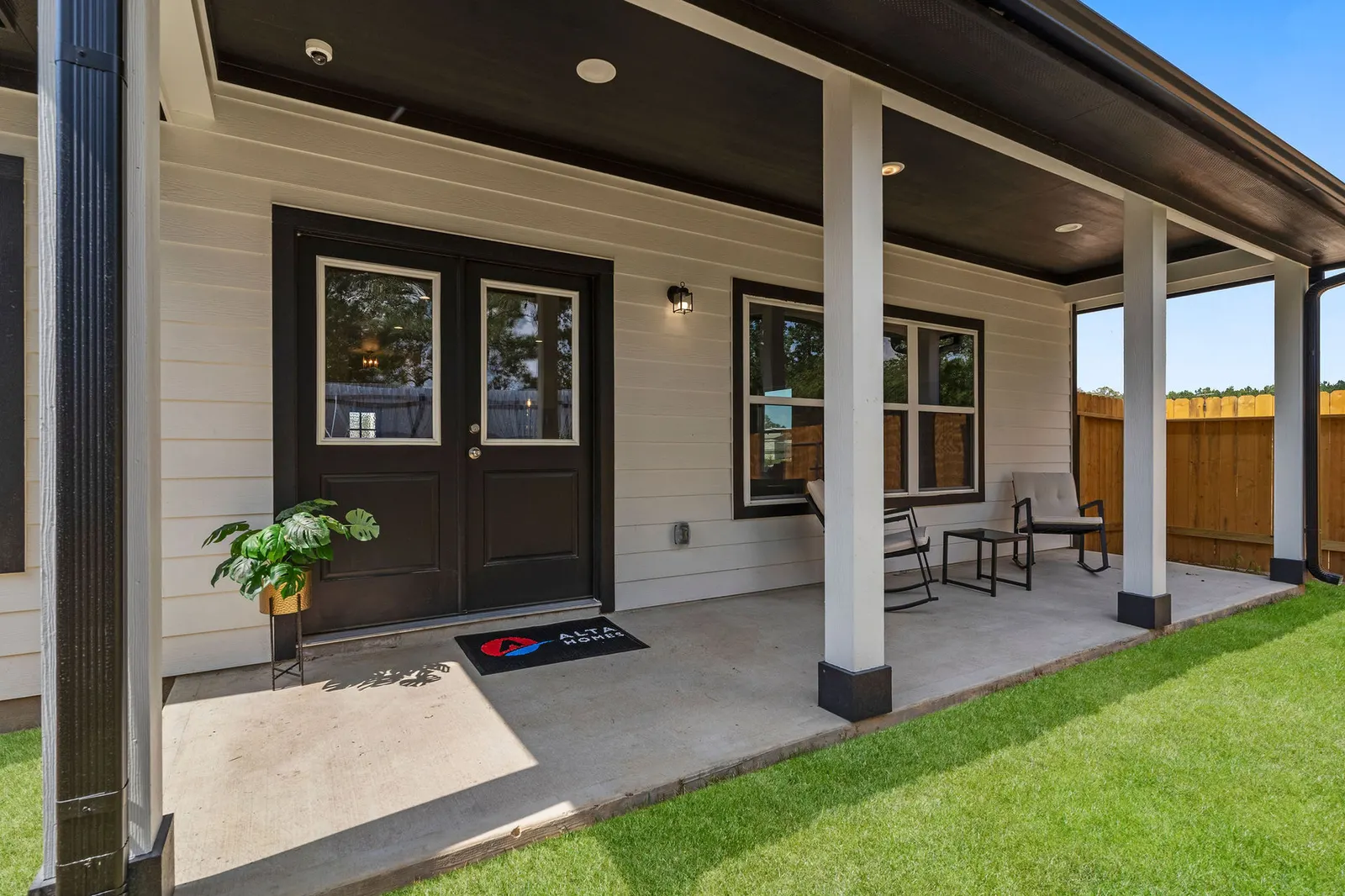
Visit the home at a time when you would normally use the patio. Notice where sunlight falls, how far the roof extends, and whether nearby windows still get the daylight you want indoors. A roof provides shade, but an open patio will still be affected by outdoor temperature and wind-driven rain.
A covered patio is not a safe place to wait out lightning. Move indoors when thunder is nearby, following the National Weather Service’s lightning guidance.
Measure the space you will actually use
Allow room to move around furniture and open the back door. If you want an outdoor fan or lighting, ask what is included and what would require additional installation. Keep cooking equipment in locations permitted by its manufacturer, with the required clearance from the house and roof.
Think about storage too: cushions, garden tools, and seasonal items may still need a dry place indoors.
Look beyond the photograph
On a tour, check the patio’s connection to the kitchen and living area, the view from the yard, and how much outdoor space remains beyond the slab. A larger patio is useful only if it supports the way you want to use the home.
For an existing home, confirm any required approvals before adding a roof, screening, or an extension. Ask a qualified contractor about drainage and how the addition connects to the house.
Confirm the home-specific details
A patio’s effect on resale value or energy use varies. Choose it for its practical value to you, rather than assuming a particular financial return.
See the Alta Standard for included-feature information, then check the plan and specifications for the particular available home you are considering.